MORE WATER Act
USA119th CongressS-3738| Senate
| Updated: 7/29/2026
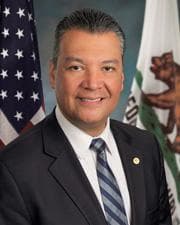
Alex Padilla
Democratic Senator
California
Energy and Natural Resources Committee, Water and Power Subcommittee
- Introduced
- In Committee
- On Floor
- Passed Chamber
- Enacted
This legislation, known as the MORE WATER Act, aims to enhance water resilience and infrastructure across the United States. It reauthorizes and expands the existing large-scale water recycling and reuse program under the Infrastructure Investment and Jobs Act, establishing a competitive grant program for feasibility studies, planning, design, and construction of such projects in Reclamation States. The bill extends the program's authority and authorizes an appropriation of $450,000,000 for fiscal years 2028 through 2032. A significant new provision is the establishment of a Water Conveyance Improvement Program within the Bureau of Reclamation. This program will provide grants and authority for the Secretary of the Interior to participate in projects that involve new, improved, or restored water conveyance facilities. It specifically prioritizes "multi-benefit projects" that deliver safe drinking water benefits to low-income communities or provide environmental benefits. The Federal share for conveyance projects is capped at 50% of the total cost for studies, planning, design, and construction. However, multi-benefit projects can receive an additional 20% Federal share, specifically for quantified safe drinking water benefits for low-income communities or environmental benefits. The bill mandates that projects costing over $800,000,000 must be multi-benefit, and at least 50% of smaller projects must also be multi-benefit. Federal funds provided under this program are nonreimbursable. The bill also reauthorizes other critical water programs, including $550,000,000 for new water recycling and reuse projects and $250,000,000 for environmental restoration actions. These environmental funds are specifically directed towards benefiting endangered species, important habitats, and water bodies, with explicit mention of the Great Salt Lake and the Sacramento River. The ceiling on the Federal share for certain projects is increased to $50,000,000 (in 2025 prices, adjusted for inflation). Finally, the legislation establishes a process for the deauthorization of inactive Reclamation projects. This involves creating an interim and final list of projects that have not received funding for at least seven years, with provisions for exclusions based on Congressional action, non-Federal funding, or the Secretary's determination of vital importance. This mechanism aims to streamline resource allocation and ensure that active projects can move forward efficiently.
View Full TextSuggested Questions
Get AI-generated questions to help you understand this bill better
Timeline
Introduced in Senate
Read twice and referred to the Committee on Energy and Natural Resources. (Sponsor introductory remarks on measure: CR S380-381)
Committee on Energy and Natural Resources Subcommittee on Water and Power. Hearings held.
Committee on Energy and Natural Resources. Ordered to be reported with an amendment in the nature of a substitute favorably.
Water Resources Development
CaliforniaCongressional oversightEndangered and threatened speciesEnvironmental assessment, monitoring, researchFishesGovernment information and archivesLakes and riversPublic-private cooperationUtahWater qualityWater resources fundingWater use and supplyWildlife conservation and habitat protection
MORE WATER Act
USA119th CongressS-3738| Senate
| Updated: 7/29/2026
This legislation, known as the MORE WATER Act, aims to enhance water resilience and infrastructure across the United States. It reauthorizes and expands the existing large-scale water recycling and reuse program under the Infrastructure Investment and Jobs Act, establishing a competitive grant program for feasibility studies, planning, design, and construction of such projects in Reclamation States. The bill extends the program's authority and authorizes an appropriation of $450,000,000 for fiscal years 2028 through 2032. A significant new provision is the establishment of a Water Conveyance Improvement Program within the Bureau of Reclamation. This program will provide grants and authority for the Secretary of the Interior to participate in projects that involve new, improved, or restored water conveyance facilities. It specifically prioritizes "multi-benefit projects" that deliver safe drinking water benefits to low-income communities or provide environmental benefits. The Federal share for conveyance projects is capped at 50% of the total cost for studies, planning, design, and construction. However, multi-benefit projects can receive an additional 20% Federal share, specifically for quantified safe drinking water benefits for low-income communities or environmental benefits. The bill mandates that projects costing over $800,000,000 must be multi-benefit, and at least 50% of smaller projects must also be multi-benefit. Federal funds provided under this program are nonreimbursable. The bill also reauthorizes other critical water programs, including $550,000,000 for new water recycling and reuse projects and $250,000,000 for environmental restoration actions. These environmental funds are specifically directed towards benefiting endangered species, important habitats, and water bodies, with explicit mention of the Great Salt Lake and the Sacramento River. The ceiling on the Federal share for certain projects is increased to $50,000,000 (in 2025 prices, adjusted for inflation). Finally, the legislation establishes a process for the deauthorization of inactive Reclamation projects. This involves creating an interim and final list of projects that have not received funding for at least seven years, with provisions for exclusions based on Congressional action, non-Federal funding, or the Secretary's determination of vital importance. This mechanism aims to streamline resource allocation and ensure that active projects can move forward efficiently.
View Full TextSuggested Questions
Get AI-generated questions to help you understand this bill better
Timeline
Introduced in Senate
Read twice and referred to the Committee on Energy and Natural Resources. (Sponsor introductory remarks on measure: CR S380-381)
Committee on Energy and Natural Resources Subcommittee on Water and Power. Hearings held.
Committee on Energy and Natural Resources. Ordered to be reported with an amendment in the nature of a substitute favorably.
Alex Padilla
Democratic Senator
California
Energy and Natural Resources Committee, Water and Power Subcommittee
Water Resources Development
- Introduced
- In Committee
- On Floor
- Passed Chamber
- Enacted
CaliforniaCongressional oversightEndangered and threatened speciesEnvironmental assessment, monitoring, researchFishesGovernment information and archivesLakes and riversPublic-private cooperationUtahWater qualityWater resources fundingWater use and supplyWildlife conservation and habitat protection