Plant-Powered School Meals Pilot Act
USA119th CongressS-3669| Senate
| Updated: 1/15/2026
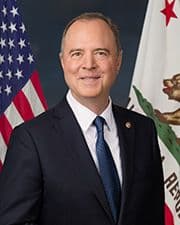
Adam B. Schiff
Democratic Senator
California
Agriculture, Nutrition, and Forestry Committee
- Introduced
- In Committee
- On Floor
- Passed Chamber
- Enacted
The Plant-Powered School Meals Pilot Act amends the Richard B. Russell National School Lunch Act to establish two distinct pilot programs aimed at expanding dietary options in schools. The primary program awards three-year grants to eligible school food authorities (SFAs), defined as those where 50 percent or more students qualify for free or reduced-price meals, specifically for providing 100 percent plant-based food options for breakfast and lunch, which are meals entirely free of animal products or byproducts. Grant funds can be utilized for various activities, including professional development for food service personnel, technical assistance, student engagement, and education on plant-based diets. Priority is given to SFAs serving a high proportion of children eligible for free or reduced-price meals, those collaborating with community organizations, and those incorporating organically produced plant-based options or procuring from underserved or local producers . Participating SFAs must submit annual reports on their activities, and the Secretary of Agriculture will provide a summary report to Congress. A second pilot program is established to reimburse eligible SFAs for the full cost of providing nondairy beverages as substitutes for fluid milk , prioritizing SFAs serving students with lactose intolerance or other demonstrated dietary needs. The bill also broadens the existing language regarding dietary accommodations, allowing for "other medical or special dietary needs" beyond disabilities, including those based on religious or moral conviction, and permits students themselves to request these accommodations. The plant-based meals pilot is authorized for $10 million for fiscal year 2026 through 2030, while the non-dairy reimbursement pilot is authorized for $2 million for fiscal year 2026 and sunsets after three years.
View Full TextSuggested Questions
Get AI-generated questions to help you understand this bill better
Timeline
Introduced in Senate
Read twice and referred to the Committee on Agriculture, Nutrition, and Forestry.
Plant-Powered School Meals Pilot Act
USA119th CongressS-3669| Senate
| Updated: 1/15/2026
The Plant-Powered School Meals Pilot Act amends the Richard B. Russell National School Lunch Act to establish two distinct pilot programs aimed at expanding dietary options in schools. The primary program awards three-year grants to eligible school food authorities (SFAs), defined as those where 50 percent or more students qualify for free or reduced-price meals, specifically for providing 100 percent plant-based food options for breakfast and lunch, which are meals entirely free of animal products or byproducts. Grant funds can be utilized for various activities, including professional development for food service personnel, technical assistance, student engagement, and education on plant-based diets. Priority is given to SFAs serving a high proportion of children eligible for free or reduced-price meals, those collaborating with community organizations, and those incorporating organically produced plant-based options or procuring from underserved or local producers . Participating SFAs must submit annual reports on their activities, and the Secretary of Agriculture will provide a summary report to Congress. A second pilot program is established to reimburse eligible SFAs for the full cost of providing nondairy beverages as substitutes for fluid milk , prioritizing SFAs serving students with lactose intolerance or other demonstrated dietary needs. The bill also broadens the existing language regarding dietary accommodations, allowing for "other medical or special dietary needs" beyond disabilities, including those based on religious or moral conviction, and permits students themselves to request these accommodations. The plant-based meals pilot is authorized for $10 million for fiscal year 2026 through 2030, while the non-dairy reimbursement pilot is authorized for $2 million for fiscal year 2026 and sunsets after three years.
View Full TextSuggested Questions
Get AI-generated questions to help you understand this bill better
Timeline
Introduced in Senate
Read twice and referred to the Committee on Agriculture, Nutrition, and Forestry.
Adam B. Schiff
Democratic Senator
California
Agriculture, Nutrition, and Forestry Committee
- Introduced
- In Committee
- On Floor
- Passed Chamber
- Enacted