PATH to Education Act
USA119th CongressS-3661| Senate
| Updated: 1/15/2026
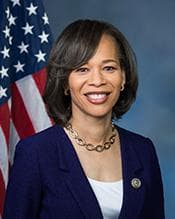
Lisa Blunt Rochester
Democratic Senator
Delaware
Cosponsors (1)
Banking, Housing, and Urban Affairs Committee
- Introduced
- In Committee
- On Floor
- Passed Chamber
- Enacted
This bill aims to significantly enhance access to higher education and center-based Head Start programs by establishing new federal grant initiatives. It authorizes the Secretary of Transportation to provide grants to public transportation providers who partner with various educational institutions. These grants are designed to fund projects that improve transit connectivity for students and Head Start participants. Grant funds can be used for several key activities, including adding bus or rail stops and routes , expanding complementary paratransit services, and increasing service frequency or adjusting schedules to better accommodate class times and program hours. Eligible institutions encompass community colleges, minority-serving institutions, Head Start agencies, area career and technical education schools, and rural-serving institutions. Priority for these grants will be given to partnerships that include institutions where more than 25 percent of students receive Federal Pell Grants, targeting areas with significant financial need. To support these initiatives, the bill sets aside dedicated funding, starting with $1,000,000 in fiscal year 2027 and incrementally increasing to $5,000,000 by fiscal year 2031. These funds are allocated to both urbanized area and rural area public transit programs, ensuring broad geographic reach for the new transportation services. The overall goal is to reduce transportation as a barrier to educational attainment and early childhood development.
View Full TextSuggested Questions
Get AI-generated questions to help you understand this bill better
Timeline
Introduced in Senate
Read twice and referred to the Committee on Banking, Housing, and Urban Affairs.
Transportation and Public Works
PATH to Education Act
USA119th CongressS-3661| Senate
| Updated: 1/15/2026
This bill aims to significantly enhance access to higher education and center-based Head Start programs by establishing new federal grant initiatives. It authorizes the Secretary of Transportation to provide grants to public transportation providers who partner with various educational institutions. These grants are designed to fund projects that improve transit connectivity for students and Head Start participants. Grant funds can be used for several key activities, including adding bus or rail stops and routes , expanding complementary paratransit services, and increasing service frequency or adjusting schedules to better accommodate class times and program hours. Eligible institutions encompass community colleges, minority-serving institutions, Head Start agencies, area career and technical education schools, and rural-serving institutions. Priority for these grants will be given to partnerships that include institutions where more than 25 percent of students receive Federal Pell Grants, targeting areas with significant financial need. To support these initiatives, the bill sets aside dedicated funding, starting with $1,000,000 in fiscal year 2027 and incrementally increasing to $5,000,000 by fiscal year 2031. These funds are allocated to both urbanized area and rural area public transit programs, ensuring broad geographic reach for the new transportation services. The overall goal is to reduce transportation as a barrier to educational attainment and early childhood development.
View Full TextSuggested Questions
Get AI-generated questions to help you understand this bill better
Timeline
Introduced in Senate
Read twice and referred to the Committee on Banking, Housing, and Urban Affairs.
Lisa Blunt Rochester
Democratic Senator
Delaware
Cosponsors (1)
Banking, Housing, and Urban Affairs Committee
Transportation and Public Works
Related Bills
- Introduced
- In Committee
- On Floor
- Passed Chamber
- Enacted