GRACE Act
USA119th CongressS-3535| Senate
| Updated: 12/17/2025
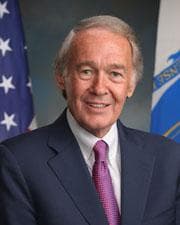
Edward J. Markey
Democratic Senator
Massachusetts
Cosponsors (18)
Jeanne Shaheen (Democratic)Mazie K. Hirono (Democratic)Tammy Duckworth (Democratic)Adam B. Schiff (Democratic)Richard J. Durbin (Democratic)Elizabeth Warren (Democratic)Christopher A. Coons (Democratic)Tim Kaine (Democratic)Christopher Murphy (Democratic)Patty Murray (Democratic)Tina Smith (Democratic)Bernard Sanders (Independent)Andy Kim (Democratic)Cory A. Booker (Democratic)Peter Welch (Democratic)Jeff Merkley (Democratic)Ron Wyden (Democratic)Richard Blumenthal (Democratic)
Judiciary Committee
- Introduced
- In Committee
- On Floor
- Passed Chamber
- Enacted
The "Guaranteed Refugee Admission Ceiling Enhancement Act," or GRACE Act, amends the Immigration and Nationality Act to significantly modify the process for determining annual refugee admissions. It establishes a minimum annual goal of 125,000 refugees to be admitted to the United States, requiring the President to set a number that is not less than this threshold. If the President fails to make such a determination before the start of a fiscal year, the admission goal automatically defaults to 125,000 refugees. The bill also introduces a mechanism for admitting additional refugees through community or private sponsorship , where groups provide initial reception and placement services. In setting the annual goal, the President must consider the global resettlement needs identified by the United Nations High Commissioner for Refugees and establish regional allocations, including an unallocated reserve for emerging needs. To enhance transparency and accountability, the GRACE Act mandates comprehensive reporting requirements. The President must submit and publicly publish quarterly reports on refugee admissions , detailing the number of refugees admitted, their percentage of the authorized goal, and regional breakdowns. Additionally, quarterly reports to Congress are required, covering crucial aspects of refugee processing, such as the number of aliens undergoing enhanced security checks, details on "circuit rides" for interviews, and average processing times from identification to admission. Furthermore, if quarterly admissions fall below 25% of the authorized annual goal, the President must provide an assessment of contributing factors and a plan outlining procedural or personnel changes to ensure the numerical goals are met. The bill also defines "enhanced security check" and includes a rule of construction to ensure it does not impede expeditious processing or other DHS authorities.
View Full TextSuggested Questions
Get AI-generated questions to help you understand this bill better
Timeline
Introduced in Senate
Read twice and referred to the Committee on the Judiciary.
Immigration
GRACE Act
USA119th CongressS-3535| Senate
| Updated: 12/17/2025
The "Guaranteed Refugee Admission Ceiling Enhancement Act," or GRACE Act, amends the Immigration and Nationality Act to significantly modify the process for determining annual refugee admissions. It establishes a minimum annual goal of 125,000 refugees to be admitted to the United States, requiring the President to set a number that is not less than this threshold. If the President fails to make such a determination before the start of a fiscal year, the admission goal automatically defaults to 125,000 refugees. The bill also introduces a mechanism for admitting additional refugees through community or private sponsorship , where groups provide initial reception and placement services. In setting the annual goal, the President must consider the global resettlement needs identified by the United Nations High Commissioner for Refugees and establish regional allocations, including an unallocated reserve for emerging needs. To enhance transparency and accountability, the GRACE Act mandates comprehensive reporting requirements. The President must submit and publicly publish quarterly reports on refugee admissions , detailing the number of refugees admitted, their percentage of the authorized goal, and regional breakdowns. Additionally, quarterly reports to Congress are required, covering crucial aspects of refugee processing, such as the number of aliens undergoing enhanced security checks, details on "circuit rides" for interviews, and average processing times from identification to admission. Furthermore, if quarterly admissions fall below 25% of the authorized annual goal, the President must provide an assessment of contributing factors and a plan outlining procedural or personnel changes to ensure the numerical goals are met. The bill also defines "enhanced security check" and includes a rule of construction to ensure it does not impede expeditious processing or other DHS authorities.
View Full TextSuggested Questions
Get AI-generated questions to help you understand this bill better
Timeline
Introduced in Senate
Read twice and referred to the Committee on the Judiciary.
Edward J. Markey
Democratic Senator
Massachusetts
Cosponsors (18)
Jeanne Shaheen (Democratic)Mazie K. Hirono (Democratic)Tammy Duckworth (Democratic)Adam B. Schiff (Democratic)Richard J. Durbin (Democratic)Elizabeth Warren (Democratic)Christopher A. Coons (Democratic)Tim Kaine (Democratic)Christopher Murphy (Democratic)Patty Murray (Democratic)Tina Smith (Democratic)Bernard Sanders (Independent)Andy Kim (Democratic)Cory A. Booker (Democratic)Peter Welch (Democratic)Jeff Merkley (Democratic)Ron Wyden (Democratic)Richard Blumenthal (Democratic)
Judiciary Committee
Immigration
Related Bills
- Introduced
- In Committee
- On Floor
- Passed Chamber
- Enacted