Shadow Docket Sunlight Act of 2025
USA119th CongressS-3533| Senate
| Updated: 12/17/2025
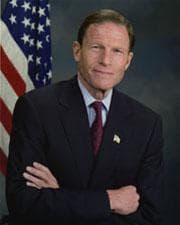
Richard Blumenthal
Democratic Senator
Connecticut
Cosponsors (13)
Mazie K. Hirono (Democratic)Adam B. Schiff (Democratic)Richard J. Durbin (Democratic)Charles E. Schumer (Democratic)Jack Reed (Democratic)Alex Padilla (Democratic)Amy Klobuchar (Democratic)Sheldon Whitehouse (Democratic)Tina Smith (Democratic)Bernard Sanders (Independent)Cory A. Booker (Democratic)Peter Welch (Democratic)Ron Wyden (Democratic)
Judiciary Committee
- Introduced
- In Committee
- On Floor
- Passed Chamber
- Enacted
The legislation requires the Supreme Court to issue written explanations and disclose individual justice votes for all orders granting, denying, or vacating preliminary injunctive relief or stays of such relief in cases within its appellate jurisdiction. This aims to enhance transparency, particularly concerning decisions often made without full oral arguments or detailed reasoning, commonly referred to as the "shadow docket" . The written explanations must evaluate specific legal criteria, such as the likelihood of success on the merits, irreparable harm, the balance of equities, and the public interest. For orders related to preliminary injunctive relief, the Court's explanation must detail whether an applicant is likely to succeed on the merits, suffer irreparable harm, and if the balance of equities and public interest favor relief. Similarly, for stay orders, the explanation must assess the stay applicant's strong showing of success, irreparable injury absent a stay, potential injury to other parties, and the public interest. The bill clarifies that these requirements do not alter the Court's substantive legal standards or jurisdiction , and they do not apply to purely administrative or scheduling orders. To ensure accountability, the Director of the Federal Judicial Center is mandated to submit biennial reports to Congress. These reports will assess the extent of compliance with the new requirements for written explanations and vote disclosures, and provide recommendations for improving adherence to these provisions.
View Full TextSuggested Questions
Get AI-generated questions to help you understand this bill better
Timeline
Introduced in Senate
Read twice and referred to the Committee on the Judiciary.
Law
Shadow Docket Sunlight Act of 2025
USA119th CongressS-3533| Senate
| Updated: 12/17/2025
The legislation requires the Supreme Court to issue written explanations and disclose individual justice votes for all orders granting, denying, or vacating preliminary injunctive relief or stays of such relief in cases within its appellate jurisdiction. This aims to enhance transparency, particularly concerning decisions often made without full oral arguments or detailed reasoning, commonly referred to as the "shadow docket" . The written explanations must evaluate specific legal criteria, such as the likelihood of success on the merits, irreparable harm, the balance of equities, and the public interest. For orders related to preliminary injunctive relief, the Court's explanation must detail whether an applicant is likely to succeed on the merits, suffer irreparable harm, and if the balance of equities and public interest favor relief. Similarly, for stay orders, the explanation must assess the stay applicant's strong showing of success, irreparable injury absent a stay, potential injury to other parties, and the public interest. The bill clarifies that these requirements do not alter the Court's substantive legal standards or jurisdiction , and they do not apply to purely administrative or scheduling orders. To ensure accountability, the Director of the Federal Judicial Center is mandated to submit biennial reports to Congress. These reports will assess the extent of compliance with the new requirements for written explanations and vote disclosures, and provide recommendations for improving adherence to these provisions.
View Full TextSuggested Questions
Get AI-generated questions to help you understand this bill better
Timeline
Introduced in Senate
Read twice and referred to the Committee on the Judiciary.
Richard Blumenthal
Democratic Senator
Connecticut
Cosponsors (13)
Mazie K. Hirono (Democratic)Adam B. Schiff (Democratic)Richard J. Durbin (Democratic)Charles E. Schumer (Democratic)Jack Reed (Democratic)Alex Padilla (Democratic)Amy Klobuchar (Democratic)Sheldon Whitehouse (Democratic)Tina Smith (Democratic)Bernard Sanders (Independent)Cory A. Booker (Democratic)Peter Welch (Democratic)Ron Wyden (Democratic)
Judiciary Committee
Law
Related Bills
- Introduced
- In Committee
- On Floor
- Passed Chamber
- Enacted