American Franchise Act
USA119th CongressS-3525| Senate
| Updated: 3/19/2026
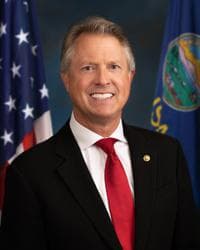
Roger Marshall
Republican Senator
Kansas
Cosponsors (4)
Health, Education, Labor, and Pensions Committee
- Introduced
- In Committee
- On Floor
- Passed Chamber
- Enacted
The American Franchise Act seeks to preserve the franchise business model by establishing a clear standard for determining joint employer status for franchisors under the National Labor Relations Act and the Fair Labor Standards Act. The bill emphasizes that while franchisors set uniform standards for brand integrity, franchisees operate as independent businesses, controlling their day-to-day operations and labor relations. This distinction is crucial given the significant economic impact of franchising, which contributed approximately $825 billion to the U.S. economy and employed 8.4 million workers in 2022. Under this legislation, a franchisor would only be deemed a joint employer if it possesses and exercises substantial direct and immediate control over one or more essential terms and conditions of employment of a franchisee's employees. The bill meticulously defines what constitutes "direct and immediate control" across various employment aspects, such as wages, benefits, hours, hiring, discharge, discipline, supervision, and direction. For instance, merely establishing operating hours or setting minimum staffing levels would not constitute direct control over hours of work. Furthermore, the bill clarifies that actions like encouraging staffing changes, setting minimal recruiting standards, or providing training materials do not equate to direct control over hiring or supervision. The intent is to differentiate between a franchisor's necessary brand protection and quality control measures and actual day-to-day management of a franchisee's workforce. This new standard aims to prevent inconsistent interpretations of joint employment that could undermine the viability of the franchise model.
View Full TextSuggested Questions
Get AI-generated questions to help you understand this bill better
Timeline
Introduced in Senate
Read twice and referred to the Committee on Health, Education, Labor, and Pensions.
Committee on Health, Education, Labor, and Pensions. Hearings held.
Labor and Employment
Employee benefits and pensionsEmployee hiringEmployee performanceLabor standardsSmall businessWages and earnings
American Franchise Act
USA119th CongressS-3525| Senate
| Updated: 3/19/2026
The American Franchise Act seeks to preserve the franchise business model by establishing a clear standard for determining joint employer status for franchisors under the National Labor Relations Act and the Fair Labor Standards Act. The bill emphasizes that while franchisors set uniform standards for brand integrity, franchisees operate as independent businesses, controlling their day-to-day operations and labor relations. This distinction is crucial given the significant economic impact of franchising, which contributed approximately $825 billion to the U.S. economy and employed 8.4 million workers in 2022. Under this legislation, a franchisor would only be deemed a joint employer if it possesses and exercises substantial direct and immediate control over one or more essential terms and conditions of employment of a franchisee's employees. The bill meticulously defines what constitutes "direct and immediate control" across various employment aspects, such as wages, benefits, hours, hiring, discharge, discipline, supervision, and direction. For instance, merely establishing operating hours or setting minimum staffing levels would not constitute direct control over hours of work. Furthermore, the bill clarifies that actions like encouraging staffing changes, setting minimal recruiting standards, or providing training materials do not equate to direct control over hiring or supervision. The intent is to differentiate between a franchisor's necessary brand protection and quality control measures and actual day-to-day management of a franchisee's workforce. This new standard aims to prevent inconsistent interpretations of joint employment that could undermine the viability of the franchise model.
View Full TextSuggested Questions
Get AI-generated questions to help you understand this bill better
Timeline
Introduced in Senate
Read twice and referred to the Committee on Health, Education, Labor, and Pensions.
Committee on Health, Education, Labor, and Pensions. Hearings held.
Roger Marshall
Republican Senator
Kansas
Cosponsors (4)
Health, Education, Labor, and Pensions Committee
Labor and Employment
Related Bills
- Introduced
- In Committee
- On Floor
- Passed Chamber
- Enacted
Employee benefits and pensionsEmployee hiringEmployee performanceLabor standardsSmall businessWages and earnings