Artificial Intelligence Scam Prevention Act
USA119th CongressS-3495| Senate
| Updated: 12/16/2025
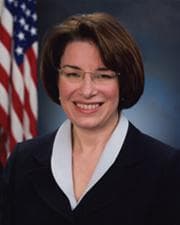
Amy Klobuchar
Democratic Senator
Minnesota
Cosponsors (1)
Commerce, Science, and Transportation Committee
- Introduced
- In Committee
- On Floor
- Passed Chamber
- Enacted
This bill, titled the Artificial Intelligence Scam Prevention Act, seeks to prevent fraud by making it unlawful to engage in deceptive acts through impersonation of government or businesses, or to replicate an individual's image or voice using artificial intelligence with intent to defraud. It also prohibits providing substantial assistance to such fraudulent activities. The Federal Trade Commission is empowered to enforce these new provisions as unfair or deceptive acts or practices. The legislation expands the scope of the Telemarketing and Consumer Fraud and Abuse Prevention Act by updating definitions to include text messages and video conference calls . A key provision requires any person using artificial intelligence to emulate a human being in a telephone call or text message to promptly and clearly disclose this fact to the recipient. This aims to increase transparency and protect consumers from deceptive AI interactions. Furthermore, the bill amends the Communications Act of 1934 to redefine "artificial or prerecorded voice" to encompass technological representations of speech or conduct generated by machines or AI that falsely depict an individual. It extends existing restrictions to cover text messages and mandates disclosures at the beginning of calls or text messages that use automatic dialing systems or AI to emulate a human. These changes broaden the regulatory framework to address evolving communication methods and AI capabilities. To improve reporting and awareness, the Federal Trade Commission is authorized to update its web portal with information on AI-enabled scams, enhance complaint logging, and distribute information to the public. The bill establishes an Artificial Intelligence Scams Advisory Group , co-chaired by the FTC and FCC, with members from various government agencies and private sectors including retail, telecommunications, and consumer advocacy. This group will collect information on educational materials, identify inadequacies, and create model guidance for industry to prevent AI scams. Both the Advisory Group and the FTC are required to submit annual reports to Congress detailing identified scams, policy recommendations, and the group's work. The Advisory Group is set to terminate after five years, ensuring a focused period of collaboration and development of anti-scam strategies.
View Full TextSuggested Questions
Get AI-generated questions to help you understand this bill better
Timeline
Introduced in Senate
Read twice and referred to the Committee on Commerce, Science, and Transportation.
Commerce
Artificial Intelligence Scam Prevention Act
USA119th CongressS-3495| Senate
| Updated: 12/16/2025
This bill, titled the Artificial Intelligence Scam Prevention Act, seeks to prevent fraud by making it unlawful to engage in deceptive acts through impersonation of government or businesses, or to replicate an individual's image or voice using artificial intelligence with intent to defraud. It also prohibits providing substantial assistance to such fraudulent activities. The Federal Trade Commission is empowered to enforce these new provisions as unfair or deceptive acts or practices. The legislation expands the scope of the Telemarketing and Consumer Fraud and Abuse Prevention Act by updating definitions to include text messages and video conference calls . A key provision requires any person using artificial intelligence to emulate a human being in a telephone call or text message to promptly and clearly disclose this fact to the recipient. This aims to increase transparency and protect consumers from deceptive AI interactions. Furthermore, the bill amends the Communications Act of 1934 to redefine "artificial or prerecorded voice" to encompass technological representations of speech or conduct generated by machines or AI that falsely depict an individual. It extends existing restrictions to cover text messages and mandates disclosures at the beginning of calls or text messages that use automatic dialing systems or AI to emulate a human. These changes broaden the regulatory framework to address evolving communication methods and AI capabilities. To improve reporting and awareness, the Federal Trade Commission is authorized to update its web portal with information on AI-enabled scams, enhance complaint logging, and distribute information to the public. The bill establishes an Artificial Intelligence Scams Advisory Group , co-chaired by the FTC and FCC, with members from various government agencies and private sectors including retail, telecommunications, and consumer advocacy. This group will collect information on educational materials, identify inadequacies, and create model guidance for industry to prevent AI scams. Both the Advisory Group and the FTC are required to submit annual reports to Congress detailing identified scams, policy recommendations, and the group's work. The Advisory Group is set to terminate after five years, ensuring a focused period of collaboration and development of anti-scam strategies.
View Full TextSuggested Questions
Get AI-generated questions to help you understand this bill better
Timeline
Introduced in Senate
Read twice and referred to the Committee on Commerce, Science, and Transportation.
Amy Klobuchar
Democratic Senator
Minnesota
Cosponsors (1)
Commerce, Science, and Transportation Committee
Commerce
- Introduced
- In Committee
- On Floor
- Passed Chamber
- Enacted