Essential Caregivers Act of 2025
USA119th CongressS-3492| Senate
| Updated: 12/16/2025
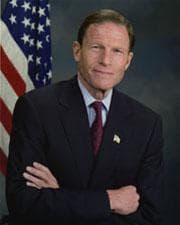
Richard Blumenthal
Democratic Senator
Connecticut
Cosponsors (27)
Tommy Tuberville (Republican)Angela D. Alsobrooks (Democratic)Ruben Gallego (Democratic)Katie Boyd Britt (Republican)Thomas Tillis (Republican)Jack Reed (Democratic)Kirsten E. Gillibrand (Democratic)Elizabeth Warren (Democratic)Ben Ray Luján (Democratic)Alex Padilla (Democratic)Cynthia M. Lummis (Republican)Eric Schmitt (Republican)Ashley Moody (Republican)Amy Klobuchar (Democratic)John Boozman (Republican)Tim Kaine (Democratic)Tim Sheehy (Republican)Sheldon Whitehouse (Democratic)Kevin Cramer (Republican)Christopher Murphy (Democratic)John Kennedy (Republican)John Cornyn (Republican)Susan M. Collins (Republican)Elissa Slotkin (Democratic)Steve Daines (Republican)Mark Kelly (Democratic)Lisa Murkowski (Republican)
Finance Committee
- Introduced
- In Committee
- On Floor
- Passed Chamber
- Enacted
This bill, known as the "Essential Caregivers Act of 2025," aims to ensure residents in certain long-term care facilities maintain access to designated essential caregivers, even when general visitation is restricted. It amends the Social Security Act to apply these requirements to skilled nursing facilities , nursing facilities , intermediate care facilities for the intellectually disabled , and inpatient rehabilitation facilities . The legislation addresses concerns about resident decline and isolation observed during the COVID-19 pandemic, which highlighted the critical role of family support. Under the bill, residents have the right to designate essential caregivers , who can be amended at any time, or a resident representative can make this designation for those with cognitive disabilities. During emergency periods when regular visitation is restricted, facilities must allow at least one essential caregiver daily access to provide assistance. These caregivers must agree to follow facility safety protocols that are no more restrictive than those for staff. Facilities may deny essential caregiver access for an initial period of up to 7 days, with a possible additional 7-day extension if approved by the state health department, but must always allow access for residents in end-of-life care or those in decline or distress. If an essential caregiver fails to comply with safety agreements, the facility must issue a written warning before denying access, providing clear guidance for corrective measures. The bill mandates the Secretary of Health and Human Services to establish an appeals process within two years for residents and caregivers to challenge access denials with the State survey agency. The State survey agency must investigate appeals within two business days and make a determination within 48 hours of investigation commencement. If a facility is found in violation, it must allow immediate access, establish a corrective action plan, and may face a civil money penalty of up to $5,000 for non-compliance. The amendments will take effect two years after enactment, applying to periods of restricted visitation thereafter, without creating new authority for facilities or officials to restrict visitation.
Suggested Questions
Get AI-generated questions to help you understand this bill better
Timeline
Introduced in Senate
Read twice and referred to the Committee on Finance.
Health
Essential Caregivers Act of 2025
USA119th CongressS-3492| Senate
| Updated: 12/16/2025
This bill, known as the "Essential Caregivers Act of 2025," aims to ensure residents in certain long-term care facilities maintain access to designated essential caregivers, even when general visitation is restricted. It amends the Social Security Act to apply these requirements to skilled nursing facilities , nursing facilities , intermediate care facilities for the intellectually disabled , and inpatient rehabilitation facilities . The legislation addresses concerns about resident decline and isolation observed during the COVID-19 pandemic, which highlighted the critical role of family support. Under the bill, residents have the right to designate essential caregivers , who can be amended at any time, or a resident representative can make this designation for those with cognitive disabilities. During emergency periods when regular visitation is restricted, facilities must allow at least one essential caregiver daily access to provide assistance. These caregivers must agree to follow facility safety protocols that are no more restrictive than those for staff. Facilities may deny essential caregiver access for an initial period of up to 7 days, with a possible additional 7-day extension if approved by the state health department, but must always allow access for residents in end-of-life care or those in decline or distress. If an essential caregiver fails to comply with safety agreements, the facility must issue a written warning before denying access, providing clear guidance for corrective measures. The bill mandates the Secretary of Health and Human Services to establish an appeals process within two years for residents and caregivers to challenge access denials with the State survey agency. The State survey agency must investigate appeals within two business days and make a determination within 48 hours of investigation commencement. If a facility is found in violation, it must allow immediate access, establish a corrective action plan, and may face a civil money penalty of up to $5,000 for non-compliance. The amendments will take effect two years after enactment, applying to periods of restricted visitation thereafter, without creating new authority for facilities or officials to restrict visitation.
Suggested Questions
Get AI-generated questions to help you understand this bill better
Timeline
Introduced in Senate
Read twice and referred to the Committee on Finance.
Richard Blumenthal
Democratic Senator
Connecticut
Cosponsors (27)
Tommy Tuberville (Republican)Angela D. Alsobrooks (Democratic)Ruben Gallego (Democratic)Katie Boyd Britt (Republican)Thomas Tillis (Republican)Jack Reed (Democratic)Kirsten E. Gillibrand (Democratic)Elizabeth Warren (Democratic)Ben Ray Luján (Democratic)Alex Padilla (Democratic)Cynthia M. Lummis (Republican)Eric Schmitt (Republican)Ashley Moody (Republican)Amy Klobuchar (Democratic)John Boozman (Republican)Tim Kaine (Democratic)Tim Sheehy (Republican)Sheldon Whitehouse (Democratic)Kevin Cramer (Republican)Christopher Murphy (Democratic)John Kennedy (Republican)John Cornyn (Republican)Susan M. Collins (Republican)Elissa Slotkin (Democratic)Steve Daines (Republican)Mark Kelly (Democratic)Lisa Murkowski (Republican)
Finance Committee
Health
Related Bills
- Introduced
- In Committee
- On Floor
- Passed Chamber
- Enacted