Black Lung Benefits Improvement Act of 2025
USA119th CongressS-3491| Senate
| Updated: 12/16/2025
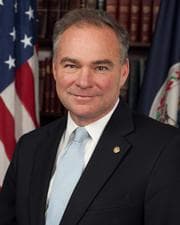
Tim Kaine
Democratic Senator
Virginia
Cosponsors (2)
Health, Education, Labor, and Pensions Committee
- Introduced
- In Committee
- On Floor
- Passed Chamber
- Enacted
This bill, known as the Essential Caregivers Act of 2025, amends titles XVIII and XIX of the Social Security Act to mandate that certain long-term care facilities permit access for essential caregivers. It applies to skilled nursing facilities , nursing facilities , intermediate care facilities for the intellectually disabled , and inpatient rehabilitation facilities . The core purpose is to ensure residents maintain vital connections and receive supplemental care, particularly during periods when general visitation is restricted by federal, state, or local authorities, addressing issues of isolation and decline observed during past emergencies like the COVID-19 pandemic. Under the bill, residents have the right to designate essential caregivers , or a resident representative can do so for those with cognitive impairments. Facilities must allow at least one essential caregiver daily, at any time, provided they adhere to facility safety protocols that are no more restrictive than those for staff. Access can only be temporarily denied for up to 7 days, with a possible extension to 14 days with state approval, but must be allowed for residents in end-of-life care or experiencing decline or distress. The legislation establishes a clear process for addressing non-compliance, requiring facilities to issue written warnings before denying access to an essential caregiver. Residents and caregivers gain the right to appeal denials of access to the State survey agency, which must investigate promptly and make a determination within 48 hours. Facilities found in violation face requirements to restore access, implement corrective action plans, and may incur civil money penalties up to $5,000. Importantly, the bill explicitly states it does not grant new authority for facilities or officials to restrict visitation, focusing solely on ensuring essential caregiver access when other visitation is limited.
View Full TextSuggested Questions
Get AI-generated questions to help you understand this bill better
Timeline
Introduced in Senate
Read twice and referred to the Committee on Health, Education, Labor, and Pensions.
Labor and Employment
Black Lung Benefits Improvement Act of 2025
USA119th CongressS-3491| Senate
| Updated: 12/16/2025
This bill, known as the Essential Caregivers Act of 2025, amends titles XVIII and XIX of the Social Security Act to mandate that certain long-term care facilities permit access for essential caregivers. It applies to skilled nursing facilities , nursing facilities , intermediate care facilities for the intellectually disabled , and inpatient rehabilitation facilities . The core purpose is to ensure residents maintain vital connections and receive supplemental care, particularly during periods when general visitation is restricted by federal, state, or local authorities, addressing issues of isolation and decline observed during past emergencies like the COVID-19 pandemic. Under the bill, residents have the right to designate essential caregivers , or a resident representative can do so for those with cognitive impairments. Facilities must allow at least one essential caregiver daily, at any time, provided they adhere to facility safety protocols that are no more restrictive than those for staff. Access can only be temporarily denied for up to 7 days, with a possible extension to 14 days with state approval, but must be allowed for residents in end-of-life care or experiencing decline or distress. The legislation establishes a clear process for addressing non-compliance, requiring facilities to issue written warnings before denying access to an essential caregiver. Residents and caregivers gain the right to appeal denials of access to the State survey agency, which must investigate promptly and make a determination within 48 hours. Facilities found in violation face requirements to restore access, implement corrective action plans, and may incur civil money penalties up to $5,000. Importantly, the bill explicitly states it does not grant new authority for facilities or officials to restrict visitation, focusing solely on ensuring essential caregiver access when other visitation is limited.
View Full TextSuggested Questions
Get AI-generated questions to help you understand this bill better
Timeline
Introduced in Senate
Read twice and referred to the Committee on Health, Education, Labor, and Pensions.
Tim Kaine
Democratic Senator
Virginia
Cosponsors (2)
Health, Education, Labor, and Pensions Committee
Labor and Employment
- Introduced
- In Committee
- On Floor
- Passed Chamber
- Enacted