International Human Rights Defense Act of 2025
USA119th CongressS-3426| Senate
| Updated: 12/10/2025
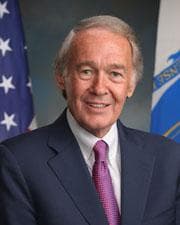
Edward J. Markey
Democratic Senator
Massachusetts
Cosponsors (35)
Jeanne Shaheen (Democratic)Mazie K. Hirono (Democratic)Angela D. Alsobrooks (Democratic)Tammy Duckworth (Democratic)Adam B. Schiff (Democratic)Jon Ossoff (Democratic)Catherine Cortez Masto (Democratic)Richard J. Durbin (Democratic)Kirsten E. Gillibrand (Democratic)Elizabeth Warren (Democratic)Ben Ray Luján (Democratic)Alex Padilla (Democratic)Christopher A. Coons (Democratic)John W. Hickenlooper (Democratic)Tim Kaine (Democratic)Jacky Rosen (Democratic)Chris Van Hollen (Democratic)Christopher Murphy (Democratic)Martin Heinrich (Democratic)Michael F. Bennet (Democratic)Patty Murray (Democratic)John Fetterman (Democratic)Tina Smith (Democratic)Bernard Sanders (Independent)Brian Schatz (Democratic)Maria Cantwell (Democratic)Tammy Baldwin (Democratic)Cory A. Booker (Democratic)Peter Welch (Democratic)Jeff Merkley (Democratic)Elissa Slotkin (Democratic)Gary C. Peters (Democratic)Ron Wyden (Democratic)Richard Blumenthal (Democratic)Mark Kelly (Democratic)
Foreign Relations Committee
- Introduced
- In Committee
- On Floor
- Passed Chamber
- Enacted
The "International Human Rights Defense Act of 2025" aims to solidify the United States' commitment to advancing the human rights of LGBTQI+ people worldwide. Its central provision is the establishment of a permanent Special Envoy for the Human Rights of LGBTQI+ People within the Department of State, to be appointed by the President with Senate confirmation at the rank of Ambassador. This Special Envoy will serve as the principal advisor to the Secretary of State on these issues and lead U.S. government efforts to combat discrimination and violence. The Special Envoy's duties include directing activities, policies, programs, and funding related to LGBTQI+ human rights across the Department of State and coordinating with other federal agencies. They will represent the U.S. in diplomatic forums, address criminalization, discrimination, and violence, and engage with nongovernmental organizations. The role also involves directing U.S. government resources to support the protection, integration, and empowerment of LGBTQI+ people internationally. A key responsibility of the Special Envoy is to provide annual briefings to Congress on the status of LGBTQI+ human rights globally and the U.S. government's response strategies. Furthermore, the Special Envoy must develop and biannually update a global strategy to prevent and respond to criminalization, discrimination, and violence against LGBTQI+ people internationally. This strategy development requires consultation with relevant federal agencies and experienced nongovernmental organizations. The bill also mandates amendments to the Foreign Assistance Act of 1961, requiring annual Country Reports on Human Rights Practices to include detailed information on criminalization, discrimination, and violence based on sexual orientation, gender identity, or sex characteristics. This ensures comprehensive documentation of human rights abuses. The Secretary of State is authorized to provide assistance programs, including capacity building for foreign governments, enhancing health sector responses (especially for HIV/AIDS), and developing leadership programs for international LGBTQI+ activists. Ultimately, the Act outlines a comprehensive U.S. policy to systematically integrate efforts to prevent and respond to criminalization, discrimination, and violence against LGBTQI+ people into foreign policy. It emphasizes supporting local capacity, consulting with diverse partners, employing a multisectoral approach, and exerting sustained international leadership. The bill also defines key terms such as "gender identity," "intersex," "LGBTQI+," and "sexual orientation" to ensure clarity in its application.
View Full TextSuggested Questions
Get AI-generated questions to help you understand this bill better
Timeline
Introduced in Senate
Read twice and referred to the Committee on Foreign Relations.
International Affairs
International Human Rights Defense Act of 2025
USA119th CongressS-3426| Senate
| Updated: 12/10/2025
The "International Human Rights Defense Act of 2025" aims to solidify the United States' commitment to advancing the human rights of LGBTQI+ people worldwide. Its central provision is the establishment of a permanent Special Envoy for the Human Rights of LGBTQI+ People within the Department of State, to be appointed by the President with Senate confirmation at the rank of Ambassador. This Special Envoy will serve as the principal advisor to the Secretary of State on these issues and lead U.S. government efforts to combat discrimination and violence. The Special Envoy's duties include directing activities, policies, programs, and funding related to LGBTQI+ human rights across the Department of State and coordinating with other federal agencies. They will represent the U.S. in diplomatic forums, address criminalization, discrimination, and violence, and engage with nongovernmental organizations. The role also involves directing U.S. government resources to support the protection, integration, and empowerment of LGBTQI+ people internationally. A key responsibility of the Special Envoy is to provide annual briefings to Congress on the status of LGBTQI+ human rights globally and the U.S. government's response strategies. Furthermore, the Special Envoy must develop and biannually update a global strategy to prevent and respond to criminalization, discrimination, and violence against LGBTQI+ people internationally. This strategy development requires consultation with relevant federal agencies and experienced nongovernmental organizations. The bill also mandates amendments to the Foreign Assistance Act of 1961, requiring annual Country Reports on Human Rights Practices to include detailed information on criminalization, discrimination, and violence based on sexual orientation, gender identity, or sex characteristics. This ensures comprehensive documentation of human rights abuses. The Secretary of State is authorized to provide assistance programs, including capacity building for foreign governments, enhancing health sector responses (especially for HIV/AIDS), and developing leadership programs for international LGBTQI+ activists. Ultimately, the Act outlines a comprehensive U.S. policy to systematically integrate efforts to prevent and respond to criminalization, discrimination, and violence against LGBTQI+ people into foreign policy. It emphasizes supporting local capacity, consulting with diverse partners, employing a multisectoral approach, and exerting sustained international leadership. The bill also defines key terms such as "gender identity," "intersex," "LGBTQI+," and "sexual orientation" to ensure clarity in its application.
View Full TextSuggested Questions
Get AI-generated questions to help you understand this bill better
Timeline
Introduced in Senate
Read twice and referred to the Committee on Foreign Relations.
Edward J. Markey
Democratic Senator
Massachusetts
Cosponsors (35)
Jeanne Shaheen (Democratic)Mazie K. Hirono (Democratic)Angela D. Alsobrooks (Democratic)Tammy Duckworth (Democratic)Adam B. Schiff (Democratic)Jon Ossoff (Democratic)Catherine Cortez Masto (Democratic)Richard J. Durbin (Democratic)Kirsten E. Gillibrand (Democratic)Elizabeth Warren (Democratic)Ben Ray Luján (Democratic)Alex Padilla (Democratic)Christopher A. Coons (Democratic)John W. Hickenlooper (Democratic)Tim Kaine (Democratic)Jacky Rosen (Democratic)Chris Van Hollen (Democratic)Christopher Murphy (Democratic)Martin Heinrich (Democratic)Michael F. Bennet (Democratic)Patty Murray (Democratic)John Fetterman (Democratic)Tina Smith (Democratic)Bernard Sanders (Independent)Brian Schatz (Democratic)Maria Cantwell (Democratic)Tammy Baldwin (Democratic)Cory A. Booker (Democratic)Peter Welch (Democratic)Jeff Merkley (Democratic)Elissa Slotkin (Democratic)Gary C. Peters (Democratic)Ron Wyden (Democratic)Richard Blumenthal (Democratic)Mark Kelly (Democratic)
Foreign Relations Committee
International Affairs
- Introduced
- In Committee
- On Floor
- Passed Chamber
- Enacted