DO NOT Call Act
USA119th CongressS-3370| Senate
| Updated: 12/4/2025
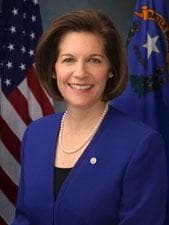
Catherine Cortez Masto
Democratic Senator
Nevada
Cosponsors (3)
Commerce, Science, and Transportation Committee
- Introduced
- In Committee
- On Floor
- Passed Chamber
- Enacted
The "DO NOT Call Act" aims to significantly strengthen enforcement against violations of the Telephone Consumer Protection Act of 1993 (TCPA) by establishing new criminal penalties. It introduces a general criminal offense for willful and knowing violations, punishable by up to one year of imprisonment , a fine, or both. More severe penalties, including up to three years of imprisonment , apply to aggravated offenses. These aggravated offenses include repeat convictions, initiating an extremely high volume of calls (e.g., over 100,000 in 24 hours), using calls to further a felony, or causing financial losses of $5,000 or more. The bill also expands the definition of "call" to encompass various forms of automated communications, including text messages sent without prior consent. Furthermore, it doubles the existing civil penalties for providing inaccurate caller identification information , increasing the maximum fine from $10,000 to $20,000 per violation.
View Full TextSuggested Questions
Get AI-generated questions to help you understand this bill better
Timeline
Introduced in Senate
Read twice and referred to the Committee on Commerce, Science, and Transportation.
Commerce
DO NOT Call Act
USA119th CongressS-3370| Senate
| Updated: 12/4/2025
The "DO NOT Call Act" aims to significantly strengthen enforcement against violations of the Telephone Consumer Protection Act of 1993 (TCPA) by establishing new criminal penalties. It introduces a general criminal offense for willful and knowing violations, punishable by up to one year of imprisonment , a fine, or both. More severe penalties, including up to three years of imprisonment , apply to aggravated offenses. These aggravated offenses include repeat convictions, initiating an extremely high volume of calls (e.g., over 100,000 in 24 hours), using calls to further a felony, or causing financial losses of $5,000 or more. The bill also expands the definition of "call" to encompass various forms of automated communications, including text messages sent without prior consent. Furthermore, it doubles the existing civil penalties for providing inaccurate caller identification information , increasing the maximum fine from $10,000 to $20,000 per violation.
View Full TextSuggested Questions
Get AI-generated questions to help you understand this bill better
Timeline
Introduced in Senate
Read twice and referred to the Committee on Commerce, Science, and Transportation.
Catherine Cortez Masto
Democratic Senator
Nevada
Cosponsors (3)
Commerce, Science, and Transportation Committee
Commerce
Related Bills
- Introduced
- In Committee
- On Floor
- Passed Chamber
- Enacted