Household Goods Shipping Consumer Protection Act
USA119th CongressS-337| Senate
| Updated: 2/23/2026
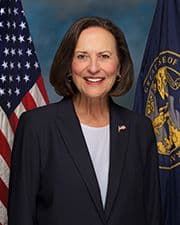
Deb Fischer
Republican Senator
Nebraska
Cosponsors (1)
Commerce, Science, and Transportation Committee
- Introduced
- In Committee
- On Floor
- Passed Chamber
- Enacted
The "Household Goods Shipping Consumer Protection Act" aims to bolster consumer protection in the household goods shipping industry. It grants the Secretary of Transportation, through the Federal Motor Carrier Safety Administration, explicit authority to administratively assess civil penalties against persons violating commercial regulations related to household goods transportation, following due process. Furthermore, the bill empowers states by allowing them to utilize federal Motor Carrier Safety Assistance Program (MCSAP) grant funds for enforcing both federal and compatible state household goods statutes and regulations. States will also be permitted to retain any fines or penalties they impose on carriers or brokers in such proceedings, providing an incentive for local enforcement. To enhance accountability and transparency, the legislation introduces new registration requirements for entities involved in household goods transportation. It mandates that motor carriers, freight forwarders, and brokers must designate a principal place of business , which is defined as a physical location where management reports and significant business is conducted. Freight forwarders and brokers are also required to disclose any common ownership, management, control, or familial relationships with other transportation entities or applicants from the preceding three years. Failure to designate a valid principal place of business could lead to the withholding, suspension, amendment, or revocation of a registration by the Secretary. These measures are designed to prevent fraudulent operations and improve oversight within the industry.
Suggested Questions
Get AI-generated questions to help you understand this bill better
Timeline
Introduced in Senate
Read twice and referred to the Committee on Commerce, Science, and Transportation.
Committee on Commerce, Science, and Transportation. Ordered to be reported without amendment favorably.
Committee on Commerce, Science, and Transportation. Reported by Senator Cruz without amendment. With written report No. 119-112.
Placed on Senate Legislative Calendar under General Orders. Calendar No. 341.
Transportation and Public Works
Administrative law and regulatory proceduresBusiness recordsCivil actions and liabilityConsumer affairsDepartment of TransportationLicensing and registrationsMotor carriersState and local government operations
Household Goods Shipping Consumer Protection Act
USA119th CongressS-337| Senate
| Updated: 2/23/2026
The "Household Goods Shipping Consumer Protection Act" aims to bolster consumer protection in the household goods shipping industry. It grants the Secretary of Transportation, through the Federal Motor Carrier Safety Administration, explicit authority to administratively assess civil penalties against persons violating commercial regulations related to household goods transportation, following due process. Furthermore, the bill empowers states by allowing them to utilize federal Motor Carrier Safety Assistance Program (MCSAP) grant funds for enforcing both federal and compatible state household goods statutes and regulations. States will also be permitted to retain any fines or penalties they impose on carriers or brokers in such proceedings, providing an incentive for local enforcement. To enhance accountability and transparency, the legislation introduces new registration requirements for entities involved in household goods transportation. It mandates that motor carriers, freight forwarders, and brokers must designate a principal place of business , which is defined as a physical location where management reports and significant business is conducted. Freight forwarders and brokers are also required to disclose any common ownership, management, control, or familial relationships with other transportation entities or applicants from the preceding three years. Failure to designate a valid principal place of business could lead to the withholding, suspension, amendment, or revocation of a registration by the Secretary. These measures are designed to prevent fraudulent operations and improve oversight within the industry.
Suggested Questions
Get AI-generated questions to help you understand this bill better
Timeline
Introduced in Senate
Read twice and referred to the Committee on Commerce, Science, and Transportation.
Committee on Commerce, Science, and Transportation. Ordered to be reported without amendment favorably.
Committee on Commerce, Science, and Transportation. Reported by Senator Cruz without amendment. With written report No. 119-112.
Placed on Senate Legislative Calendar under General Orders. Calendar No. 341.
Deb Fischer
Republican Senator
Nebraska
Cosponsors (1)
Commerce, Science, and Transportation Committee
Transportation and Public Works
Related Bills
- Introduced
- In Committee
- On Floor
- Passed Chamber
- Enacted
Administrative law and regulatory proceduresBusiness recordsCivil actions and liabilityConsumer affairsDepartment of TransportationLicensing and registrationsMotor carriersState and local government operations