QUIET Act
USA119th CongressS-3354| Senate
| Updated: 12/4/2025
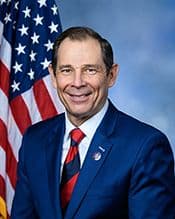
John R. Curtis
Republican Senator
Utah
Cosponsors (1)
Commerce, Science, and Transportation Committee
- Introduced
- In Committee
- On Floor
- Passed Chamber
- Enacted
This bill amends the Communications Act of 1934 to address the use of artificial intelligence in robocalls and text messages. It mandates that any person making a robocall or sending a text message that uses artificial intelligence to emulate a human being must disclose this fact at the beginning of the communication. The legislation provides specific definitions for what constitutes a "robocall" and a "text message" for the purposes of this disclosure requirement. Furthermore, the bill establishes enhanced penalties for certain violations involving AI. If artificial intelligence is used to impersonate an individual or entity with the intent to defraud, cause harm, or wrongfully obtain anything of value, the maximum forfeiture penalty and criminal fine for such violations will be doubled. These increased penalties are designed to deter malicious uses of AI in telecommunications and will apply to all relevant violations occurring after the bill's enactment.
Suggested Questions
Get AI-generated questions to help you understand this bill better
Timeline
Introduced in Senate
Read twice and referred to the Committee on Commerce, Science, and Transportation.
Science, Technology, Communications
QUIET Act
USA119th CongressS-3354| Senate
| Updated: 12/4/2025
This bill amends the Communications Act of 1934 to address the use of artificial intelligence in robocalls and text messages. It mandates that any person making a robocall or sending a text message that uses artificial intelligence to emulate a human being must disclose this fact at the beginning of the communication. The legislation provides specific definitions for what constitutes a "robocall" and a "text message" for the purposes of this disclosure requirement. Furthermore, the bill establishes enhanced penalties for certain violations involving AI. If artificial intelligence is used to impersonate an individual or entity with the intent to defraud, cause harm, or wrongfully obtain anything of value, the maximum forfeiture penalty and criminal fine for such violations will be doubled. These increased penalties are designed to deter malicious uses of AI in telecommunications and will apply to all relevant violations occurring after the bill's enactment.
Suggested Questions
Get AI-generated questions to help you understand this bill better
Timeline
Introduced in Senate
Read twice and referred to the Committee on Commerce, Science, and Transportation.
John R. Curtis
Republican Senator
Utah
Cosponsors (1)
Commerce, Science, and Transportation Committee
Science, Technology, Communications
Related Bills
- Introduced
- In Committee
- On Floor
- Passed Chamber
- Enacted