Freedom to Heal Act of 2025
USA119th CongressS-3346| Senate
| Updated: 12/4/2025
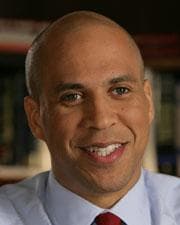
Cory A. Booker
Democratic Senator
New Jersey
Cosponsors (2)
Judiciary Committee
- Introduced
- In Committee
- On Floor
- Passed Chamber
- Enacted
This bill, titled the "Freedom to Heal Act of 2025," amends the Controlled Substances Act to create a special registration process for physicians. This process enables them to directly administer Schedule I eligible investigational drugs to eligible patients under the existing federal Right to Try law. The primary goal is to facilitate access to these experimental treatments for patients with life-threatening diseases. Physicians seeking this special registration must submit an application to the Attorney General, demonstrating a valid registration for other controlled substances and compliance with the Federal Food, Drug, and Cosmetic Act's Right to Try provisions. This includes providing documentation from the drug manufacturer, an agreement to supply the drug, and an affirmation of administering it according to guidance. The application also requires details on the drug quantity, state law compliance, physician training, and the proposed storage and administration site. The Attorney General is mandated to approve or issue an order to show cause within 45 days of receiving a complete application. Furthermore, the bill requires the Attorney General to issue an interim final rule within 240 days and a final rule within two years to establish comprehensive regulations for drug delivery, storage, security, record-keeping, and measures to prevent diversion of these investigational drugs.
View Full TextSuggested Questions
Get AI-generated questions to help you understand this bill better
Timeline
Introduced in Senate
Read twice and referred to the Committee on the Judiciary.
Health
Freedom to Heal Act of 2025
USA119th CongressS-3346| Senate
| Updated: 12/4/2025
This bill, titled the "Freedom to Heal Act of 2025," amends the Controlled Substances Act to create a special registration process for physicians. This process enables them to directly administer Schedule I eligible investigational drugs to eligible patients under the existing federal Right to Try law. The primary goal is to facilitate access to these experimental treatments for patients with life-threatening diseases. Physicians seeking this special registration must submit an application to the Attorney General, demonstrating a valid registration for other controlled substances and compliance with the Federal Food, Drug, and Cosmetic Act's Right to Try provisions. This includes providing documentation from the drug manufacturer, an agreement to supply the drug, and an affirmation of administering it according to guidance. The application also requires details on the drug quantity, state law compliance, physician training, and the proposed storage and administration site. The Attorney General is mandated to approve or issue an order to show cause within 45 days of receiving a complete application. Furthermore, the bill requires the Attorney General to issue an interim final rule within 240 days and a final rule within two years to establish comprehensive regulations for drug delivery, storage, security, record-keeping, and measures to prevent diversion of these investigational drugs.
View Full TextSuggested Questions
Get AI-generated questions to help you understand this bill better
Timeline
Introduced in Senate
Read twice and referred to the Committee on the Judiciary.
Cory A. Booker
Democratic Senator
New Jersey
Cosponsors (2)
Judiciary Committee
Health
Related Bills
- Introduced
- In Committee
- On Floor
- Passed Chamber
- Enacted