Strengthening Sanctions on Fentanyl Traffickers Act of 2025
USA119th CongressS-3330| Senate
| Updated: 12/3/2025
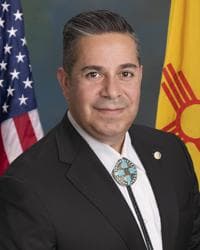
Ben Ray Luján
Democratic Senator
New Mexico
Banking, Housing, and Urban Affairs Committee
- Introduced
- In Committee
- On Floor
- Passed Chamber
- Enacted
This bill, titled the "Strengthening Sanctions on Fentanyl Traffickers Act of 2025," aims to bolster United States efforts against international illicit drug trafficking. It specifically targets the supply chain of fentanyl and its precursors, with a significant focus on entities within the People's Republic of China. The legislation also reinforces and expands sanctions against major transnational criminal organizations and other foreign persons involved in the global illicit drug trade. A key provision mandates the President to prioritize the identification of persons and entities in the People's Republic of China, including Hong Kong and Macau, that are involved in shipping fentanyl, its analogues, precursors, or manufacturing equipment to countries like Mexico for trafficking into the United States. This prioritization will continue until China is no longer the primary source for these materials. The bill authorizes the President to impose various sanctions on these entities, including blocking property and prohibiting transactions, if they contribute to the proliferation of illicit synthetic narcotics. The legislation also maintains existing U.S. sanctions under the Foreign Narcotics Kingpin Designation Act against several significant fentanyl trafficking organizations , such as the Sinaloa and Jalisco New Generation Cartels. Furthermore, it grants the President broad authority to impose a range of sanctions on any foreign person determined to have materially contributed to the international trafficking of illicit drugs or their means of production. These sanctions can include financial restrictions, procurement bans, and visa denials for individuals. Sanctions under this act leverage powers granted by the International Emergency Economic Powers Act (IEEPA), allowing for the blocking of property and prohibition of various financial transactions. While sanctions generally terminate after six years, the President can waive this termination for national security reasons. Importantly, the bill includes exceptions for the importation of goods and for authorized intelligence or law enforcement activities, ensuring that these sanctions are narrowly tailored to target illicit drug operations.
View Full TextSuggested Questions
Get AI-generated questions to help you understand this bill better
Timeline
Introduced in Senate
Read twice and referred to the Committee on Banking, Housing, and Urban Affairs.
International Affairs
Strengthening Sanctions on Fentanyl Traffickers Act of 2025
USA119th CongressS-3330| Senate
| Updated: 12/3/2025
This bill, titled the "Strengthening Sanctions on Fentanyl Traffickers Act of 2025," aims to bolster United States efforts against international illicit drug trafficking. It specifically targets the supply chain of fentanyl and its precursors, with a significant focus on entities within the People's Republic of China. The legislation also reinforces and expands sanctions against major transnational criminal organizations and other foreign persons involved in the global illicit drug trade. A key provision mandates the President to prioritize the identification of persons and entities in the People's Republic of China, including Hong Kong and Macau, that are involved in shipping fentanyl, its analogues, precursors, or manufacturing equipment to countries like Mexico for trafficking into the United States. This prioritization will continue until China is no longer the primary source for these materials. The bill authorizes the President to impose various sanctions on these entities, including blocking property and prohibiting transactions, if they contribute to the proliferation of illicit synthetic narcotics. The legislation also maintains existing U.S. sanctions under the Foreign Narcotics Kingpin Designation Act against several significant fentanyl trafficking organizations , such as the Sinaloa and Jalisco New Generation Cartels. Furthermore, it grants the President broad authority to impose a range of sanctions on any foreign person determined to have materially contributed to the international trafficking of illicit drugs or their means of production. These sanctions can include financial restrictions, procurement bans, and visa denials for individuals. Sanctions under this act leverage powers granted by the International Emergency Economic Powers Act (IEEPA), allowing for the blocking of property and prohibition of various financial transactions. While sanctions generally terminate after six years, the President can waive this termination for national security reasons. Importantly, the bill includes exceptions for the importation of goods and for authorized intelligence or law enforcement activities, ensuring that these sanctions are narrowly tailored to target illicit drug operations.
View Full TextSuggested Questions
Get AI-generated questions to help you understand this bill better
Timeline
Introduced in Senate
Read twice and referred to the Committee on Banking, Housing, and Urban Affairs.
Ben Ray Luján
Democratic Senator
New Mexico
Banking, Housing, and Urban Affairs Committee
International Affairs
- Introduced
- In Committee
- On Floor
- Passed Chamber
- Enacted