Veterans Affairs Peer Review Neutrality Act of 2025
USA119th CongressS-3311| Senate
| Updated: 4/29/2026
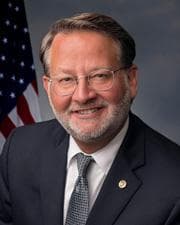
Gary C. Peters
Democratic Senator
Michigan
Cosponsors (2)
Veterans' Affairs Committee
- Introduced
- In Committee
- On Floor
- Passed Chamber
- Enacted
The Veterans Affairs Peer Review Neutrality Act of 2025 aims to eliminate conflicts of interest within the peer review process for quality management of care provided by the Veterans Health Administration (VHA). This legislative effort seeks to ensure that evaluations of medical care are conducted with the utmost impartiality and objectivity. By addressing potential biases, the bill intends to strengthen the integrity of the VHA's internal oversight mechanisms. A key provision of the bill mandates that any individual responsible for conducting a peer review or serving on a peer review committee must withdraw from participation in a case review if they have direct involvement with the care under scrutiny. This requirement also applies if the individual is unable to conduct an objective, impartial, accurate, and informed review, thereby preventing biased assessments from influencing outcomes. Such withdrawals are crucial for maintaining trust in the review process. Furthermore, the legislation requires each VHA medical facility to develop specific procedures and guidelines for handling reviews where a health care provider is also a member of the facility's peer review committee. In these instances, any initial peer review for quality management must be evaluated, discussed, and assigned a final review level by a neutral peer review committee located at a different VHA facility . This ensures an unbiased final assessment, preventing potential self-review or undue influence from colleagues at the same facility and reinforcing the bill's goal of neutrality in care quality management.
View Full TextSuggested Questions
Get AI-generated questions to help you understand this bill better
Timeline
Introduced in Senate
Read twice and referred to the Committee on Veterans' Affairs.
Committee on Veterans' Affairs. Hearings held.
Armed Forces and National Security
Veterans Affairs Peer Review Neutrality Act of 2025
USA119th CongressS-3311| Senate
| Updated: 4/29/2026
The Veterans Affairs Peer Review Neutrality Act of 2025 aims to eliminate conflicts of interest within the peer review process for quality management of care provided by the Veterans Health Administration (VHA). This legislative effort seeks to ensure that evaluations of medical care are conducted with the utmost impartiality and objectivity. By addressing potential biases, the bill intends to strengthen the integrity of the VHA's internal oversight mechanisms. A key provision of the bill mandates that any individual responsible for conducting a peer review or serving on a peer review committee must withdraw from participation in a case review if they have direct involvement with the care under scrutiny. This requirement also applies if the individual is unable to conduct an objective, impartial, accurate, and informed review, thereby preventing biased assessments from influencing outcomes. Such withdrawals are crucial for maintaining trust in the review process. Furthermore, the legislation requires each VHA medical facility to develop specific procedures and guidelines for handling reviews where a health care provider is also a member of the facility's peer review committee. In these instances, any initial peer review for quality management must be evaluated, discussed, and assigned a final review level by a neutral peer review committee located at a different VHA facility . This ensures an unbiased final assessment, preventing potential self-review or undue influence from colleagues at the same facility and reinforcing the bill's goal of neutrality in care quality management.
View Full TextSuggested Questions
Get AI-generated questions to help you understand this bill better
Timeline
Introduced in Senate
Read twice and referred to the Committee on Veterans' Affairs.
Committee on Veterans' Affairs. Hearings held.
Gary C. Peters
Democratic Senator
Michigan
Cosponsors (2)
Veterans' Affairs Committee
Armed Forces and National Security
- Introduced
- In Committee
- On Floor
- Passed Chamber
- Enacted