In-Home CARE Act
USA119th CongressS-3271| Senate
| Updated: 11/20/2025
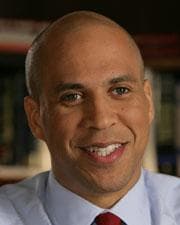
Cory A. Booker
Democratic Senator
New Jersey
Cosponsors (2)
Health, Education, Labor, and Pensions Committee
- Introduced
- In Committee
- On Floor
- Passed Chamber
- Enacted
The In-Home Caregiver Assessment Resources and Education Act aims to significantly improve the ability of family caregivers to provide in-home care and increase opportunities for individuals needing care to remain at home, thereby reducing or postponing institutionalization. This legislation authorizes the Secretary of Health and Human Services, through the Administrator for Community Living, to award competitive 3-year grants to eligible organizations for establishing and operating home visiting programs for family caregivers. Eligible organizations, which include local government agencies, healthcare entities, and non-profit or community organizations, must demonstrate experience in providing relevant services. Grant recipients will conduct initial home visits to perform caregiver assessments , identifying specific needs, barriers, and existing supports for family caregivers. These programs will also provide evidence-based education and training on critical care tasks such as medication management, wound care, fall prevention, and behavioral health support, alongside self-care strategies for caregivers. Furthermore, the bill mandates that grant-funded programs offer or refer caregivers to a comprehensive range of support services. These services include physical and mental health care, transportation, home modification services, respite care , adult day services, support groups, and legal assistance. The Secretary will prioritize organizations that show the greatest likelihood of meeting community needs, offer post-visit contact, have a proven record, utilize evidence-based models, or demonstrate program sustainability. To ensure effective implementation and coordination, the Secretary is required to establish a technical assistance center. This center will provide evidence-based models, training, and facilitate information exchange among grantees and other relevant federal programs, including the National Family Caregiver Support Program and the Lifespan Respite Care Program, to maximize resource utilization and avoid service duplication. The Act also mandates regular evaluations of the grant program's success, assessing outcomes such as reduced hospitalizations and improved quality of life for both caregivers and care recipients.
View Full TextSuggested Questions
Get AI-generated questions to help you understand this bill better
Timeline
Introduced in Senate
Read twice and referred to the Committee on Health, Education, Labor, and Pensions.
Health
In-Home CARE Act
USA119th CongressS-3271| Senate
| Updated: 11/20/2025
The In-Home Caregiver Assessment Resources and Education Act aims to significantly improve the ability of family caregivers to provide in-home care and increase opportunities for individuals needing care to remain at home, thereby reducing or postponing institutionalization. This legislation authorizes the Secretary of Health and Human Services, through the Administrator for Community Living, to award competitive 3-year grants to eligible organizations for establishing and operating home visiting programs for family caregivers. Eligible organizations, which include local government agencies, healthcare entities, and non-profit or community organizations, must demonstrate experience in providing relevant services. Grant recipients will conduct initial home visits to perform caregiver assessments , identifying specific needs, barriers, and existing supports for family caregivers. These programs will also provide evidence-based education and training on critical care tasks such as medication management, wound care, fall prevention, and behavioral health support, alongside self-care strategies for caregivers. Furthermore, the bill mandates that grant-funded programs offer or refer caregivers to a comprehensive range of support services. These services include physical and mental health care, transportation, home modification services, respite care , adult day services, support groups, and legal assistance. The Secretary will prioritize organizations that show the greatest likelihood of meeting community needs, offer post-visit contact, have a proven record, utilize evidence-based models, or demonstrate program sustainability. To ensure effective implementation and coordination, the Secretary is required to establish a technical assistance center. This center will provide evidence-based models, training, and facilitate information exchange among grantees and other relevant federal programs, including the National Family Caregiver Support Program and the Lifespan Respite Care Program, to maximize resource utilization and avoid service duplication. The Act also mandates regular evaluations of the grant program's success, assessing outcomes such as reduced hospitalizations and improved quality of life for both caregivers and care recipients.
View Full TextSuggested Questions
Get AI-generated questions to help you understand this bill better
Timeline
Introduced in Senate
Read twice and referred to the Committee on Health, Education, Labor, and Pensions.
Cory A. Booker
Democratic Senator
New Jersey
Cosponsors (2)
Health, Education, Labor, and Pensions Committee
Health
- Introduced
- In Committee
- On Floor
- Passed Chamber
- Enacted