Disarm Hate Act
USA119th CongressS-3256| Senate
| Updated: 11/20/2025
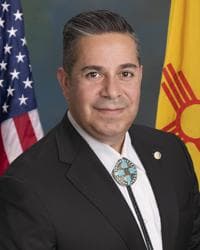
Ben Ray Luján
Democratic Senator
New Mexico
Cosponsors (1)
Judiciary Committee
- Introduced
- In Committee
- On Floor
- Passed Chamber
- Enacted
This bill aims to prevent individuals with a history of hate-motivated misdemeanor offenses from obtaining firearms by amending federal law. It proposes to expand the categories of persons prohibited from firearm possession by including those convicted of a misdemeanor hate crime or who received an enhanced sentence for a misdemeanor due to hate or bias. Consequently, licensed dealers would be prohibited from selling firearms to these individuals, and it would be unlawful for such persons to possess, ship, or transport firearms. The legislation specifically defines a misdemeanor hate crime as an offense under Federal, State, or Tribal law involving physical force or threats, where the offender's conduct was motivated by hate or bias based on actual or perceived race, color, religion, national origin, gender, sexual orientation, gender identity, or disability. Similarly, an enhanced hate crime misdemeanor sentence applies when a judicial finding determines a misdemeanor involving violence or threats was motivated by hate or bias. These prohibitions include safeguards, such as requiring legal representation or a knowing waiver of counsel and jury trial rights, and exclude convictions that have been expunged, pardoned, or had civil rights restored, provided such restoration does not explicitly prohibit firearm possession.
Suggested Questions
Get AI-generated questions to help you understand this bill better
Timeline
Introduced in Senate
Read twice and referred to the Committee on the Judiciary.
Crime and Law Enforcement
Disarm Hate Act
USA119th CongressS-3256| Senate
| Updated: 11/20/2025
This bill aims to prevent individuals with a history of hate-motivated misdemeanor offenses from obtaining firearms by amending federal law. It proposes to expand the categories of persons prohibited from firearm possession by including those convicted of a misdemeanor hate crime or who received an enhanced sentence for a misdemeanor due to hate or bias. Consequently, licensed dealers would be prohibited from selling firearms to these individuals, and it would be unlawful for such persons to possess, ship, or transport firearms. The legislation specifically defines a misdemeanor hate crime as an offense under Federal, State, or Tribal law involving physical force or threats, where the offender's conduct was motivated by hate or bias based on actual or perceived race, color, religion, national origin, gender, sexual orientation, gender identity, or disability. Similarly, an enhanced hate crime misdemeanor sentence applies when a judicial finding determines a misdemeanor involving violence or threats was motivated by hate or bias. These prohibitions include safeguards, such as requiring legal representation or a knowing waiver of counsel and jury trial rights, and exclude convictions that have been expunged, pardoned, or had civil rights restored, provided such restoration does not explicitly prohibit firearm possession.
Suggested Questions
Get AI-generated questions to help you understand this bill better
Timeline
Introduced in Senate
Read twice and referred to the Committee on the Judiciary.
Ben Ray Luján
Democratic Senator
New Mexico
Cosponsors (1)
Judiciary Committee
Crime and Law Enforcement
Related Bills
- Introduced
- In Committee
- On Floor
- Passed Chamber
- Enacted