Stop Ballroom Bribery Act
USA119th CongressS-3191| Senate
| Updated: 11/18/2025
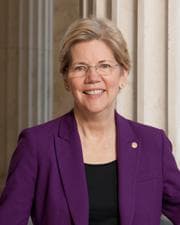
Elizabeth Warren
Democratic Senator
Massachusetts
Cosponsors (6)
Homeland Security and Governmental Affairs Committee
- Introduced
- In Committee
- On Floor
- Passed Chamber
- Enacted
The "Stop Ballroom Bribery Act" seeks to prevent corruption by establishing stringent restrictions on donations related to certain public property, events, and monuments. It defines "covered projects" broadly, encompassing the maintenance, enhancement, or construction of public property at locations like the White House or Naval Observatory, events hosted at these sites, and monuments honoring living current or former Presidents, Vice Presidents, or Presidential appointees. The bill prohibits donations from individuals or entities involved in litigation with the Federal Government, subject to administrative investigations, seeking government contracts or grants, or engaged in lobbying activities targeting the executive branch. Furthermore, those seeking presidential pardons or appointments are also barred from making such donations. These restrictions aim to prevent conflicts of interest and the appearance of impropriety. Donations are also disallowed if they carry implied conditions of government benefit, are coerced, or could influence official duties or compromise the integrity of the executive branch. The bill explicitly forbids the President, Vice President, and their spouses or children from soliciting donations for covered projects. Additionally, any donations from foreign governments require specific Congressional approval before acceptance. Before any donation can be accepted or used, it must receive written approval from the Director of the National Park Service and the Director of the Office of Government Ethics, with this determination publicly disclosed. Post-donation, the bill prohibits displaying donor recognition at the project site and imposes a two-year "cooling-off period" during which donors cannot engage in lobbying activities directed at executive branch officials. It also strictly forbids the conversion of donations for personal use by officials or their families. To ensure transparency, the bill mandates that donors disclose meetings with high-ranking officials around the time of their donation, and the National Park Service must publish quarterly reports detailing all accepted donations and donor information. It also outlaws straw donations and anonymous contributions. Violations of these provisions can lead to significant civil penalties, including fines up to $100,000 and disgorgement of benefits, as well as criminal penalties, including imprisonment for up to five years, with enforcement actions available to both federal and state authorities.
View Full TextSuggested Questions
Get AI-generated questions to help you understand this bill better
Timeline
Introduced in Senate
Read twice and referred to the Committee on Homeland Security and Governmental Affairs.
Government Operations and Politics
Stop Ballroom Bribery Act
USA119th CongressS-3191| Senate
| Updated: 11/18/2025
The "Stop Ballroom Bribery Act" seeks to prevent corruption by establishing stringent restrictions on donations related to certain public property, events, and monuments. It defines "covered projects" broadly, encompassing the maintenance, enhancement, or construction of public property at locations like the White House or Naval Observatory, events hosted at these sites, and monuments honoring living current or former Presidents, Vice Presidents, or Presidential appointees. The bill prohibits donations from individuals or entities involved in litigation with the Federal Government, subject to administrative investigations, seeking government contracts or grants, or engaged in lobbying activities targeting the executive branch. Furthermore, those seeking presidential pardons or appointments are also barred from making such donations. These restrictions aim to prevent conflicts of interest and the appearance of impropriety. Donations are also disallowed if they carry implied conditions of government benefit, are coerced, or could influence official duties or compromise the integrity of the executive branch. The bill explicitly forbids the President, Vice President, and their spouses or children from soliciting donations for covered projects. Additionally, any donations from foreign governments require specific Congressional approval before acceptance. Before any donation can be accepted or used, it must receive written approval from the Director of the National Park Service and the Director of the Office of Government Ethics, with this determination publicly disclosed. Post-donation, the bill prohibits displaying donor recognition at the project site and imposes a two-year "cooling-off period" during which donors cannot engage in lobbying activities directed at executive branch officials. It also strictly forbids the conversion of donations for personal use by officials or their families. To ensure transparency, the bill mandates that donors disclose meetings with high-ranking officials around the time of their donation, and the National Park Service must publish quarterly reports detailing all accepted donations and donor information. It also outlaws straw donations and anonymous contributions. Violations of these provisions can lead to significant civil penalties, including fines up to $100,000 and disgorgement of benefits, as well as criminal penalties, including imprisonment for up to five years, with enforcement actions available to both federal and state authorities.
View Full TextSuggested Questions
Get AI-generated questions to help you understand this bill better
Timeline
Introduced in Senate
Read twice and referred to the Committee on Homeland Security and Governmental Affairs.
Elizabeth Warren
Democratic Senator
Massachusetts
Cosponsors (6)
Homeland Security and Governmental Affairs Committee
Government Operations and Politics
Related Bills
- Introduced
- In Committee
- On Floor
- Passed Chamber
- Enacted