Wildfire Emissions Prevention Act of 2025
USA119th CongressS-3044| Senate
| Updated: 10/23/2025
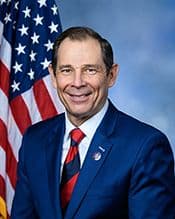
John R. Curtis
Republican Senator
Utah
Cosponsors (1)
Environment and Public Works Committee
- Introduced
- In Committee
- On Floor
- Passed Chamber
- Enacted
The Wildfire Emissions Prevention Act of 2025 amends the Clean Air Act to modify the treatment of air quality monitoring data affected by exceptional events and prescribed fires. It expands the definition of an exceptional event to explicitly include prescribed fires , which are defined as planned ignitions for specific objectives. The bill also clarifies that human-caused events intended to prevent more severe emissions or mirror natural occurrences can be considered exceptional, and that states initially determine these events. This legislation mandates the Administrator of the Environmental Protection Agency to revise existing regulations within 270 days, and finalize them within 180 days, to govern the review of state determinations and the handling of air quality data from these events. These revisions will streamline the process for excluding such data from regulatory actions, including area designations and attainment demonstrations. The bill also shifts the focus to the Administrator reviewing state determinations rather than states petitioning for exceptions, and encourages collaboration for multijurisdictional events.
View Full TextSuggested Questions
Get AI-generated questions to help you understand this bill better
Timeline
Senate Committee on Environment and Public Works. Hearings held prior to introduction and/or referral. Hearings printed: S.Hrg. 119-343.
Introduced in Senate
Read twice and referred to the Committee on Environment and Public Works.
Environmental Protection
Wildfire Emissions Prevention Act of 2025
USA119th CongressS-3044| Senate
| Updated: 10/23/2025
The Wildfire Emissions Prevention Act of 2025 amends the Clean Air Act to modify the treatment of air quality monitoring data affected by exceptional events and prescribed fires. It expands the definition of an exceptional event to explicitly include prescribed fires , which are defined as planned ignitions for specific objectives. The bill also clarifies that human-caused events intended to prevent more severe emissions or mirror natural occurrences can be considered exceptional, and that states initially determine these events. This legislation mandates the Administrator of the Environmental Protection Agency to revise existing regulations within 270 days, and finalize them within 180 days, to govern the review of state determinations and the handling of air quality data from these events. These revisions will streamline the process for excluding such data from regulatory actions, including area designations and attainment demonstrations. The bill also shifts the focus to the Administrator reviewing state determinations rather than states petitioning for exceptions, and encourages collaboration for multijurisdictional events.
View Full TextSuggested Questions
Get AI-generated questions to help you understand this bill better
Timeline
Senate Committee on Environment and Public Works. Hearings held prior to introduction and/or referral. Hearings printed: S.Hrg. 119-343.
Introduced in Senate
Read twice and referred to the Committee on Environment and Public Works.
John R. Curtis
Republican Senator
Utah
Cosponsors (1)
Environment and Public Works Committee
Environmental Protection
- Introduced
- In Committee
- On Floor
- Passed Chamber
- Enacted