Advancing Research in Nuclear Fuel Recycling Act of 2025
USA119th CongressS-3016| Senate
| Updated: 10/16/2025
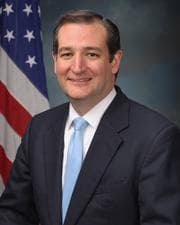
Ted Cruz
Republican Senator
Texas
Cosponsors (1)
Energy and Natural Resources Committee
- Introduced
- In Committee
- On Floor
- Passed Chamber
- Enacted
The Advancing Research in Nuclear Fuel Recycling Act of 2025 directs the Secretary of Energy to undertake a comprehensive study on new technologies and opportunities for recycling spent nuclear fuel. This study aims to analyze the practicability, potential benefits, costs, and risks associated with converting spent nuclear fuel into usable nuclear fuels for various applications, including commercial light water reactors, advanced nuclear reactors, and non-reactor uses like medical or space-based power sources. It also specifically examines the recycling of high-assay low-enriched uranium fuel. The legislation requires an in-depth comparison of recycling spent nuclear fuel from temporary storage sites against the current once-through fuel cycle, considering storage requirements. The study will also evaluate different recycling processes, such as aqueous (e.g., PUREX) and non-aqueous (e.g., pyro-electrochemistry) methods, and assess the technical and economic feasibility of extracting valuable isotopes from nuclear waste for domestic and international use. Key aspects of the study include analyzing approaches for coupling or collocating recycling facilities with other pertinent facilities, such as advanced nuclear reactors or fuel-fabrication plants, and identifying parties impacted by current spent nuclear fuel storage practices. The Secretary must also assess different siting and sizing strategies for recycling facilities and identify regulatory gaps in nuclear waste management definitions, comparing them with international standards. Finally, the bill mandates evaluating policy changes to support recycling development and deployment, with a public report detailing these findings required within one year.
View Full TextSuggested Questions
Get AI-generated questions to help you understand this bill better
Timeline
Introduced in Senate
Read twice and referred to the Committee on Energy and Natural Resources.
Energy
Advancing Research in Nuclear Fuel Recycling Act of 2025
USA119th CongressS-3016| Senate
| Updated: 10/16/2025
The Advancing Research in Nuclear Fuel Recycling Act of 2025 directs the Secretary of Energy to undertake a comprehensive study on new technologies and opportunities for recycling spent nuclear fuel. This study aims to analyze the practicability, potential benefits, costs, and risks associated with converting spent nuclear fuel into usable nuclear fuels for various applications, including commercial light water reactors, advanced nuclear reactors, and non-reactor uses like medical or space-based power sources. It also specifically examines the recycling of high-assay low-enriched uranium fuel. The legislation requires an in-depth comparison of recycling spent nuclear fuel from temporary storage sites against the current once-through fuel cycle, considering storage requirements. The study will also evaluate different recycling processes, such as aqueous (e.g., PUREX) and non-aqueous (e.g., pyro-electrochemistry) methods, and assess the technical and economic feasibility of extracting valuable isotopes from nuclear waste for domestic and international use. Key aspects of the study include analyzing approaches for coupling or collocating recycling facilities with other pertinent facilities, such as advanced nuclear reactors or fuel-fabrication plants, and identifying parties impacted by current spent nuclear fuel storage practices. The Secretary must also assess different siting and sizing strategies for recycling facilities and identify regulatory gaps in nuclear waste management definitions, comparing them with international standards. Finally, the bill mandates evaluating policy changes to support recycling development and deployment, with a public report detailing these findings required within one year.
View Full TextSuggested Questions
Get AI-generated questions to help you understand this bill better
Timeline
Introduced in Senate
Read twice and referred to the Committee on Energy and Natural Resources.
Ted Cruz
Republican Senator
Texas
Cosponsors (1)
Energy and Natural Resources Committee
Energy
- Introduced
- In Committee
- On Floor
- Passed Chamber
- Enacted