ERASER Act
USA119th CongressS-30| Senate
| Updated: 1/8/2025
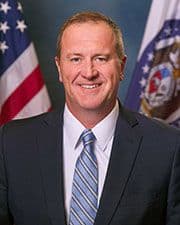
Eric Schmitt
Republican Senator
Missouri
Cosponsors (2)
Homeland Security and Governmental Affairs Committee
- Introduced
- In Committee
- On Floor
- Passed Chamber
- Enacted
This bill establishes a new regulatory framework requiring federal agencies to repeal existing regulations before issuing new ones. Specifically, an agency must repeal at least three existing rules, which should be related to the new rule, before it can be issued. For major rules , the requirements are more stringent: an agency must repeal three or more related rules, and the cost of the new major rule must be less than or equal to the cost of the rules repealed. The Administrator of the Office of Information and Regulatory Affairs is responsible for certifying this cost comparison. The repealed rules must have been issued through the formal notice and comment process and are not interpretive or procedural rules. This requirement applies to rules imposing costs on non-governmental persons or State and local governments, but excludes those related to an agency's internal management or procurement. The bill also mandates that the Government Accountability Office conduct a study every five years to report on the total number and estimated economic cost of all rules and major rules in effect.
Suggested Questions
Get AI-generated questions to help you understand this bill better
Timeline
Introduced in Senate
Read twice and referred to the Committee on Homeland Security and Governmental Affairs.
Government Operations and Politics
Administrative law and regulatory proceduresCongressional oversightGovernment studies and investigations
ERASER Act
USA119th CongressS-30| Senate
| Updated: 1/8/2025
This bill establishes a new regulatory framework requiring federal agencies to repeal existing regulations before issuing new ones. Specifically, an agency must repeal at least three existing rules, which should be related to the new rule, before it can be issued. For major rules , the requirements are more stringent: an agency must repeal three or more related rules, and the cost of the new major rule must be less than or equal to the cost of the rules repealed. The Administrator of the Office of Information and Regulatory Affairs is responsible for certifying this cost comparison. The repealed rules must have been issued through the formal notice and comment process and are not interpretive or procedural rules. This requirement applies to rules imposing costs on non-governmental persons or State and local governments, but excludes those related to an agency's internal management or procurement. The bill also mandates that the Government Accountability Office conduct a study every five years to report on the total number and estimated economic cost of all rules and major rules in effect.
Suggested Questions
Get AI-generated questions to help you understand this bill better
Timeline
Introduced in Senate
Read twice and referred to the Committee on Homeland Security and Governmental Affairs.
Eric Schmitt
Republican Senator
Missouri
Cosponsors (2)
Homeland Security and Governmental Affairs Committee
Government Operations and Politics
- Introduced
- In Committee
- On Floor
- Passed Chamber
- Enacted
Administrative law and regulatory proceduresCongressional oversightGovernment studies and investigations