Health Care Workforce Expansion Act of 2025
USA119th CongressS-2954| Senate
| Updated: 9/30/2025
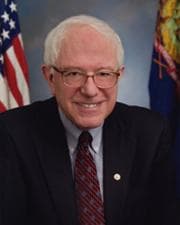
Bernard Sanders
Independent Senator
Vermont
Cosponsors (1)
Health, Education, Labor, and Pensions Committee
- Introduced
- In Committee
- On Floor
- Passed Chamber
- Enacted
The "Health Care Workforce Expansion Act of 2025" aims to significantly expand the nation's healthcare workforce by establishing several new grant programs and increasing funding for existing initiatives. A core component is the creation of MED, DENTAL, and NURSE Grants , which will cover tuition and required fees for eligible students in medical, dental, and nursing schools. These grants are designed to alleviate the financial burden of professional education, making these careers more accessible. Recipients of MED Grants for medical and osteopathic students must agree to practice primary care for at least 10 years within 15 years of completing their training. Similarly, DENTAL Grant recipients must commit to practicing general dental care in a rural area for 10 years within 15 years of completing their education. Failure to fulfill these service obligations results in the grant converting into a Federal Direct Unsubsidized Stafford Loan, with repayment amounts capped at $50,000 based on years of service completed. The bill includes provisions for reconsideration of conversion decisions and allows for extenuating circumstances. The bill also establishes a grant program to help health professional schools increase student enrollment. Medical and osteopathic schools must plan to increase enrollment by 50% by year two and an additional 50% by year four to be eligible. Nursing schools must aim for a 30% increase by year two and another 30% by year four, while dental schools target 20% increases. Funds can be used for enhancing student enrollment and retention, recruiting faculty, expanding clinical education partnerships, and modernizing infrastructure. To further expand the physician workforce, the Act authorizes the distribution of 50,220 additional Medicare GME residency positions over fiscal years 2027 through 2036. These new positions will prioritize psychiatry and primary care residencies, with at least 15% for psychiatry and 30% for primary care. Hospitals receiving these positions must agree to expand their existing residency programs. Furthermore, the bill increases per-resident payment amounts for qualified Teaching Health Centers operating graduate medical education programs, ensuring a minimum of $170,000 per resident in FY2026, with annual increases. Finally, the legislation introduces a Rural Relocation Grant Program to incentivize healthcare professionals to practice in underserved rural areas. Eligible physicians, nurses, and dentists can receive up to $20,000 to assist with relocation expenses. To qualify, individuals must commit to practicing in the rural area for at least three years, with a 50% repayment requirement if this commitment is not met. These comprehensive measures aim to strengthen the healthcare workforce across various disciplines and geographic areas.
Suggested Questions
Get AI-generated questions to help you understand this bill better
Timeline
Introduced in Senate
Read twice and referred to the Committee on Health, Education, Labor, and Pensions.
Health
Health Care Workforce Expansion Act of 2025
USA119th CongressS-2954| Senate
| Updated: 9/30/2025
The "Health Care Workforce Expansion Act of 2025" aims to significantly expand the nation's healthcare workforce by establishing several new grant programs and increasing funding for existing initiatives. A core component is the creation of MED, DENTAL, and NURSE Grants , which will cover tuition and required fees for eligible students in medical, dental, and nursing schools. These grants are designed to alleviate the financial burden of professional education, making these careers more accessible. Recipients of MED Grants for medical and osteopathic students must agree to practice primary care for at least 10 years within 15 years of completing their training. Similarly, DENTAL Grant recipients must commit to practicing general dental care in a rural area for 10 years within 15 years of completing their education. Failure to fulfill these service obligations results in the grant converting into a Federal Direct Unsubsidized Stafford Loan, with repayment amounts capped at $50,000 based on years of service completed. The bill includes provisions for reconsideration of conversion decisions and allows for extenuating circumstances. The bill also establishes a grant program to help health professional schools increase student enrollment. Medical and osteopathic schools must plan to increase enrollment by 50% by year two and an additional 50% by year four to be eligible. Nursing schools must aim for a 30% increase by year two and another 30% by year four, while dental schools target 20% increases. Funds can be used for enhancing student enrollment and retention, recruiting faculty, expanding clinical education partnerships, and modernizing infrastructure. To further expand the physician workforce, the Act authorizes the distribution of 50,220 additional Medicare GME residency positions over fiscal years 2027 through 2036. These new positions will prioritize psychiatry and primary care residencies, with at least 15% for psychiatry and 30% for primary care. Hospitals receiving these positions must agree to expand their existing residency programs. Furthermore, the bill increases per-resident payment amounts for qualified Teaching Health Centers operating graduate medical education programs, ensuring a minimum of $170,000 per resident in FY2026, with annual increases. Finally, the legislation introduces a Rural Relocation Grant Program to incentivize healthcare professionals to practice in underserved rural areas. Eligible physicians, nurses, and dentists can receive up to $20,000 to assist with relocation expenses. To qualify, individuals must commit to practicing in the rural area for at least three years, with a 50% repayment requirement if this commitment is not met. These comprehensive measures aim to strengthen the healthcare workforce across various disciplines and geographic areas.
Suggested Questions
Get AI-generated questions to help you understand this bill better
Timeline
Introduced in Senate
Read twice and referred to the Committee on Health, Education, Labor, and Pensions.
Bernard Sanders
Independent Senator
Vermont
Cosponsors (1)
Health, Education, Labor, and Pensions Committee
Health
- Introduced
- In Committee
- On Floor
- Passed Chamber
- Enacted