Child Care for Every Community Act
USA119th CongressS-2939| Senate
| Updated: 9/30/2025
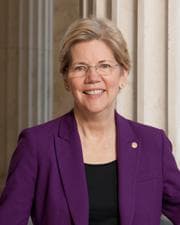
Elizabeth Warren
Democratic Senator
Massachusetts
Cosponsors (9)
Health, Education, Labor, and Pensions Committee
- Introduced
- In Committee
- On Floor
- Passed Chamber
- Enacted
The "Child Care for Every Community Act" aims to establish universal, comprehensive child care and early learning programs for all young children, ensuring they have a fair opportunity to reach their full potential. Its core purposes include providing affordable, high-quality programs regardless of family circumstances and promoting school readiness through enhanced cognitive, social, emotional, and physical development. The bill emphasizes a learning environment that supports growth across various domains and provides health, educational, nutritional, and social services based on family needs. To achieve this, the bill authorizes significant appropriations and establishes an entitlement for every covered child to participate in a program. Financial assistance is provided to "prime sponsors" with a federal share of at least 90 percent, rising to 100 percent for children of migrant/seasonal farmworkers and Native American children. Families not considered low-income would pay fees on a sliding scale, capped at 7 percent of their family income, with low-income families exempt from fees. States, localities, Indian Tribes, or non-profit organizations can be designated as prime sponsors , responsible for planning, administering, and evaluating these programs. Prime sponsors must submit comprehensive plans demonstrating community engagement, addressing local needs, and coordinating with other educational and social services. They are also required to establish a Child Care and Early Learning Advisory Council, ensuring diverse representation from parents, staff, and community stakeholders. The Secretary of Health and Human Services will issue national program standards , developed with expert and stakeholder input, covering performance, early learning outcomes, administration, and facility conditions. These standards aim to be as comprehensive as Head Start and military child care programs, ensuring high quality and research-based practices. The bill also mandates a uniform code for facilities, focusing on health, safety, and physical comfort, with provisions for state-level code sufficiency. A critical component is the focus on the child care workforce, requiring staff qualifications and professional development aligned with compensation levels. Prime sponsors must ensure competitive compensation for all staff, including family child care home providers, comparable to local educational agency employees or military child care programs, and not less than a living wage . The bill also provides for curriculum support and training programs covering early childhood development, child abuse prevention, and emergency procedures. Programs must offer full-working-day and full calendar year services, responsive to family needs, and provide comprehensive health, mental health, and nutritional support. They must implement policies that prohibit or severely limit suspension and expulsion due to behavior, instead focusing on supportive interventions. The bill also requires prime sponsors to ensure equitable access for all covered children, promote socioeconomic diversity, and provide culturally and linguistically appropriate services. The bill establishes a continuing program of research, demonstration, and evaluation activities to improve program quality, understand child development, and address the needs of underserved children. Prime sponsors are required to coordinate with K-12 education to ensure smooth transitions for children, including sharing records, establishing communication channels, and offering joint training. Supplemental funding is available to prime sponsors facing barriers to implementation, and special grants can assist states in capacity building and workforce support. Finally, the legislation includes maintenance of effort provisions, prohibiting states and localities from reducing their existing expenditures on child care and early learning programs due to the new federal financial assistance. This ensures that federal funding supplements, rather than replaces, current investments in these vital services.
View Full TextSuggested Questions
Get AI-generated questions to help you understand this bill better
Timeline
Introduced in Senate
Read twice and referred to the Committee on Health, Education, Labor, and Pensions.
Latest Companion Bill Action
HR 119-5658ASSUMING FIRST SPONSORSHIP - Ms. Ocasio-Cortez asked unanimous consent that she may hereafter be considered as the first sponsor of H.R. 5658, a bill originally introduced by Representative Sherrill, for the purpose of adding cosponsors and requesting reprintings pursuant to clause 7 of rule XII. Agreed to without objection.
Families
Child Care for Every Community Act
USA119th CongressS-2939| Senate
| Updated: 9/30/2025
The "Child Care for Every Community Act" aims to establish universal, comprehensive child care and early learning programs for all young children, ensuring they have a fair opportunity to reach their full potential. Its core purposes include providing affordable, high-quality programs regardless of family circumstances and promoting school readiness through enhanced cognitive, social, emotional, and physical development. The bill emphasizes a learning environment that supports growth across various domains and provides health, educational, nutritional, and social services based on family needs. To achieve this, the bill authorizes significant appropriations and establishes an entitlement for every covered child to participate in a program. Financial assistance is provided to "prime sponsors" with a federal share of at least 90 percent, rising to 100 percent for children of migrant/seasonal farmworkers and Native American children. Families not considered low-income would pay fees on a sliding scale, capped at 7 percent of their family income, with low-income families exempt from fees. States, localities, Indian Tribes, or non-profit organizations can be designated as prime sponsors , responsible for planning, administering, and evaluating these programs. Prime sponsors must submit comprehensive plans demonstrating community engagement, addressing local needs, and coordinating with other educational and social services. They are also required to establish a Child Care and Early Learning Advisory Council, ensuring diverse representation from parents, staff, and community stakeholders. The Secretary of Health and Human Services will issue national program standards , developed with expert and stakeholder input, covering performance, early learning outcomes, administration, and facility conditions. These standards aim to be as comprehensive as Head Start and military child care programs, ensuring high quality and research-based practices. The bill also mandates a uniform code for facilities, focusing on health, safety, and physical comfort, with provisions for state-level code sufficiency. A critical component is the focus on the child care workforce, requiring staff qualifications and professional development aligned with compensation levels. Prime sponsors must ensure competitive compensation for all staff, including family child care home providers, comparable to local educational agency employees or military child care programs, and not less than a living wage . The bill also provides for curriculum support and training programs covering early childhood development, child abuse prevention, and emergency procedures. Programs must offer full-working-day and full calendar year services, responsive to family needs, and provide comprehensive health, mental health, and nutritional support. They must implement policies that prohibit or severely limit suspension and expulsion due to behavior, instead focusing on supportive interventions. The bill also requires prime sponsors to ensure equitable access for all covered children, promote socioeconomic diversity, and provide culturally and linguistically appropriate services. The bill establishes a continuing program of research, demonstration, and evaluation activities to improve program quality, understand child development, and address the needs of underserved children. Prime sponsors are required to coordinate with K-12 education to ensure smooth transitions for children, including sharing records, establishing communication channels, and offering joint training. Supplemental funding is available to prime sponsors facing barriers to implementation, and special grants can assist states in capacity building and workforce support. Finally, the legislation includes maintenance of effort provisions, prohibiting states and localities from reducing their existing expenditures on child care and early learning programs due to the new federal financial assistance. This ensures that federal funding supplements, rather than replaces, current investments in these vital services.
View Full TextSuggested Questions
Get AI-generated questions to help you understand this bill better
Timeline
Introduced in Senate
Read twice and referred to the Committee on Health, Education, Labor, and Pensions.
Latest Companion Bill Action
HR 119-5658ASSUMING FIRST SPONSORSHIP - Ms. Ocasio-Cortez asked unanimous consent that she may hereafter be considered as the first sponsor of H.R. 5658, a bill originally introduced by Representative Sherrill, for the purpose of adding cosponsors and requesting reprintings pursuant to clause 7 of rule XII. Agreed to without objection.
Elizabeth Warren
Democratic Senator
Massachusetts
Cosponsors (9)
Health, Education, Labor, and Pensions Committee
Families
Related Bills
- Introduced
- In Committee
- On Floor
- Passed Chamber
- Enacted