Financial Exploitation Prevention Act of 2025
USA119th CongressS-2840| Senate
| Updated: 9/17/2025
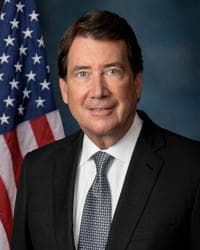
Bill Hagerty
Republican Senator
Tennessee
Cosponsors (8)
Banking, Housing, and Urban Affairs Committee
- Introduced
- In Committee
- On Floor
- Passed Chamber
- Enacted
The "Financial Exploitation Prevention Act of 2025" amends the Investment Company Act of 1940 to protect vulnerable investors from financial exploitation. This bill allows registered open-end investment companies and their transfer agents to postpone the redemption of securities for "specified adults" when there is a reasonable belief of financial exploitation. Companies may elect to request and retain contact information for a trusted individual from non-institutional direct-at-fund account holders, disclosing that this contact may be used to address potential exploitation or confirm customer information. The initial postponement of a redemption payment can last for up to 15 business days . This period can be extended by an additional 10 business days if the company continues to reasonably believe exploitation is occurring, initiates an internal review, and notifies the designated contact person, unless that person is suspected of involvement. State regulators or courts also have the authority to further extend these postponement periods, and companies must establish internal procedures for these actions, including record retention. A "specified adult" is defined as an individual aged 65 or older, or an adult aged 18 or older with a mental or physical impairment that prevents them from protecting their own interests. The bill also mandates that the Securities and Exchange Commission, in consultation with various financial regulatory bodies, submit a report to Congress within one year. This report will include recommendations for necessary regulatory and legislative changes to further address the financial exploitation of specified adults.
View Full TextSuggested Questions
Get AI-generated questions to help you understand this bill better
Timeline
Introduced in Senate
Read twice and referred to the Committee on Banking, Housing, and Urban Affairs.
Latest Companion Bill Action
HR 119-2478Received in the Senate and Read twice and referred to the Committee on Banking, Housing, and Urban Affairs.
Finance and Financial Sector
Financial Exploitation Prevention Act of 2025
USA119th CongressS-2840| Senate
| Updated: 9/17/2025
The "Financial Exploitation Prevention Act of 2025" amends the Investment Company Act of 1940 to protect vulnerable investors from financial exploitation. This bill allows registered open-end investment companies and their transfer agents to postpone the redemption of securities for "specified adults" when there is a reasonable belief of financial exploitation. Companies may elect to request and retain contact information for a trusted individual from non-institutional direct-at-fund account holders, disclosing that this contact may be used to address potential exploitation or confirm customer information. The initial postponement of a redemption payment can last for up to 15 business days . This period can be extended by an additional 10 business days if the company continues to reasonably believe exploitation is occurring, initiates an internal review, and notifies the designated contact person, unless that person is suspected of involvement. State regulators or courts also have the authority to further extend these postponement periods, and companies must establish internal procedures for these actions, including record retention. A "specified adult" is defined as an individual aged 65 or older, or an adult aged 18 or older with a mental or physical impairment that prevents them from protecting their own interests. The bill also mandates that the Securities and Exchange Commission, in consultation with various financial regulatory bodies, submit a report to Congress within one year. This report will include recommendations for necessary regulatory and legislative changes to further address the financial exploitation of specified adults.
View Full TextSuggested Questions
Get AI-generated questions to help you understand this bill better
Timeline
Introduced in Senate
Read twice and referred to the Committee on Banking, Housing, and Urban Affairs.
Latest Companion Bill Action
HR 119-2478Received in the Senate and Read twice and referred to the Committee on Banking, Housing, and Urban Affairs.
Bill Hagerty
Republican Senator
Tennessee
Cosponsors (8)
Banking, Housing, and Urban Affairs Committee
Finance and Financial Sector
- Introduced
- In Committee
- On Floor
- Passed Chamber
- Enacted