SANDBOX Act
USA119th CongressS-2750| Senate
| Updated: 9/10/2025
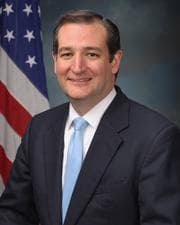
Ted Cruz
Republican Senator
Texas
Commerce, Science, and Transportation Committee
- Introduced
- In Committee
- On Floor
- Passed Chamber
- Enacted
The bill, known as the SANDBOX Act, mandates the Director of the Office of Science and Technology Policy to establish an artificial intelligence (AI) regulatory sandbox program. This program aims to incentivize the development, expansion, and innovation of AI products, services, and development methods within the United States. It seeks to achieve this by allowing temporary waivers or modifications of existing federal regulations for participants. Under the program, applicants can request a temporary waiver or modification of "covered provisions" to test or deploy AI on a limited basis without full regulatory enforcement. The application process requires detailed information, including the AI product's description, identified regulations for waiver, and a plan for mitigating potential risks such as health and safety , economic damage , or unfair trade practices . Applicants must be subject to federal jurisdiction and have a business incorporated or with a principal place of business in the U.S. Once an application is submitted, the Director forwards it to relevant federal agencies for review. These agencies assess the proposed AI's benefits against its potential risks, including those related to health, safety, economic damage, and unfair trade practices. Each applicable agency decides whether to grant or deny the waiver for provisions under its jurisdiction, with the Director making the final decision on the overall application, potentially approving it in part. Approved applicants must enter into a written agreement outlining the waived provisions and risk mitigation terms. Waivers are initially granted for a two-year period and can be renewed for up to four additional two-year terms, totaling ten years. The Director can revoke a waiver if a participant fails to comply with the agreement, following a 30-day period for correction. To protect consumers, participants must publicly disclose their involvement in the sandbox, the temporary nature of the AI, potential risks, and that they are not immune from civil liability or criminal prosecution for non-waived provisions. The bill also requires participants to submit regular reports on consumer impact, risk assessment, and benefits. Annually, the Director must report to Congress on the program's overall performance, including approved applications, waived provisions, and any public benefits or harms. A significant aspect of the program is its role in informing future regulatory policy. The Director is required to annually recommend to Congress which federal regulations should be amended or repealed based on the sandbox's findings. Congress can then act on these recommendations through a joint resolution. The entire program is set to terminate 12 years after its establishment.
View Full TextSuggested Questions
Get AI-generated questions to help you understand this bill better
Timeline
Introduced in Senate
Read twice and referred to the Committee on Commerce, Science, and Transportation.
Science, Technology, Communications
Advanced technology and technological innovationsAdvisory bodiesBusiness recordsComputers and information technologyCongressional oversightConsumer affairsEconomic developmentFraud offenses and financial crimesGovernment studies and investigationsInternet, web applications, social mediaJudicial review and appealsLicensing and registrationsResearch and developmentRight of privacyTechnology assessment
SANDBOX Act
USA119th CongressS-2750| Senate
| Updated: 9/10/2025
The bill, known as the SANDBOX Act, mandates the Director of the Office of Science and Technology Policy to establish an artificial intelligence (AI) regulatory sandbox program. This program aims to incentivize the development, expansion, and innovation of AI products, services, and development methods within the United States. It seeks to achieve this by allowing temporary waivers or modifications of existing federal regulations for participants. Under the program, applicants can request a temporary waiver or modification of "covered provisions" to test or deploy AI on a limited basis without full regulatory enforcement. The application process requires detailed information, including the AI product's description, identified regulations for waiver, and a plan for mitigating potential risks such as health and safety , economic damage , or unfair trade practices . Applicants must be subject to federal jurisdiction and have a business incorporated or with a principal place of business in the U.S. Once an application is submitted, the Director forwards it to relevant federal agencies for review. These agencies assess the proposed AI's benefits against its potential risks, including those related to health, safety, economic damage, and unfair trade practices. Each applicable agency decides whether to grant or deny the waiver for provisions under its jurisdiction, with the Director making the final decision on the overall application, potentially approving it in part. Approved applicants must enter into a written agreement outlining the waived provisions and risk mitigation terms. Waivers are initially granted for a two-year period and can be renewed for up to four additional two-year terms, totaling ten years. The Director can revoke a waiver if a participant fails to comply with the agreement, following a 30-day period for correction. To protect consumers, participants must publicly disclose their involvement in the sandbox, the temporary nature of the AI, potential risks, and that they are not immune from civil liability or criminal prosecution for non-waived provisions. The bill also requires participants to submit regular reports on consumer impact, risk assessment, and benefits. Annually, the Director must report to Congress on the program's overall performance, including approved applications, waived provisions, and any public benefits or harms. A significant aspect of the program is its role in informing future regulatory policy. The Director is required to annually recommend to Congress which federal regulations should be amended or repealed based on the sandbox's findings. Congress can then act on these recommendations through a joint resolution. The entire program is set to terminate 12 years after its establishment.
View Full TextSuggested Questions
Get AI-generated questions to help you understand this bill better
Timeline
Introduced in Senate
Read twice and referred to the Committee on Commerce, Science, and Transportation.
Ted Cruz
Republican Senator
Texas
Commerce, Science, and Transportation Committee
Science, Technology, Communications
- Introduced
- In Committee
- On Floor
- Passed Chamber
- Enacted
Advanced technology and technological innovationsAdvisory bodiesBusiness recordsComputers and information technologyCongressional oversightConsumer affairsEconomic developmentFraud offenses and financial crimesGovernment studies and investigationsInternet, web applications, social mediaJudicial review and appealsLicensing and registrationsResearch and developmentRight of privacyTechnology assessment