Restoring Executive Power To Appoint United States Attorneys Act of 2025
USA119th CongressS-2634| Senate
| Updated: 7/31/2025
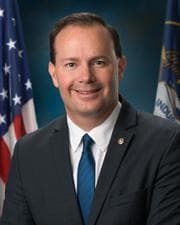
Mike Lee
Republican Senator
Utah
Cosponsors (1)
Judiciary Committee
- Introduced
- In Committee
- On Floor
- Passed Chamber
- Enacted
The "Restoring Executive Power To Appoint United States Attorneys Act of 2025" proposes significant changes to how vacancies for United States Attorneys are filled. This legislation specifically amends Section 546 of title 28, United States Code , which governs the appointment process for these critical positions. The bill strikes existing subsections that grant the Attorney General authority to make temporary appointments for a defined period. In their place, it inserts a new provision clarifying that any person appointed to fill a vacancy on an interim basis may serve only until a Presidentially-appointed United States Attorney officially qualifies for the role. This change aims to streamline the appointment process and ensure that permanent U.S. Attorneys are appointed by the President, thereby "restoring executive power" in these appointments.
View Full TextSuggested Questions
Get AI-generated questions to help you understand this bill better
Timeline
Introduced in Senate
Read twice and referred to the Committee on the Judiciary.
Law
Restoring Executive Power To Appoint United States Attorneys Act of 2025
USA119th CongressS-2634| Senate
| Updated: 7/31/2025
The "Restoring Executive Power To Appoint United States Attorneys Act of 2025" proposes significant changes to how vacancies for United States Attorneys are filled. This legislation specifically amends Section 546 of title 28, United States Code , which governs the appointment process for these critical positions. The bill strikes existing subsections that grant the Attorney General authority to make temporary appointments for a defined period. In their place, it inserts a new provision clarifying that any person appointed to fill a vacancy on an interim basis may serve only until a Presidentially-appointed United States Attorney officially qualifies for the role. This change aims to streamline the appointment process and ensure that permanent U.S. Attorneys are appointed by the President, thereby "restoring executive power" in these appointments.
View Full TextSuggested Questions
Get AI-generated questions to help you understand this bill better
Timeline
Introduced in Senate
Read twice and referred to the Committee on the Judiciary.
Mike Lee
Republican Senator
Utah
Cosponsors (1)
Judiciary Committee
Law
- Introduced
- In Committee
- On Floor
- Passed Chamber
- Enacted