Protecting American Jobs Act
USA119th CongressS-2568| Senate
| Updated: 7/31/2025
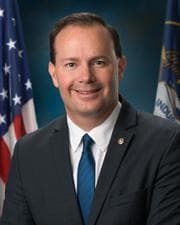
Mike Lee
Republican Senator
Utah
Health, Education, Labor, and Pensions Committee
- Introduced
- In Committee
- On Floor
- Passed Chamber
- Enacted
The "Protecting American Jobs Act" proposes substantial amendments to the National Labor Relations Act, primarily by redefining the authority and functions of the National Labor Relations Board (NLRB) . A core change involves shifting the enforcement mechanism for unfair labor practices ; instead of the NLRB investigating charges, issuing complaints, and adjudicating cases, aggrieved parties would now bring civil actions directly in federal district courts. This legislation significantly curtails the NLRB's rulemaking authority , explicitly limiting it to rules concerning only the Board's internal functions and prohibiting any rules or regulations that affect the substantive or procedural rights of individuals, employers, employees, or labor organizations, including those related to unfair labor practices and representation elections. Furthermore, the bill removes the Board's power to prevent unfair labor practices and strikes numerous sections detailing its adjudicatory process, effectively dismantling its role as the primary administrative body for resolving such disputes. The General Counsel's role is also modified from prosecuting complaints to merely investigating allegations, and the NLRB is mandated to review and revise all existing regulations within six months to align with these new restrictions on its rulemaking authority.
View Full TextSuggested Questions
Get AI-generated questions to help you understand this bill better
Timeline
Introduced in Senate
Read twice and referred to the Committee on Health, Education, Labor, and Pensions.
Labor and Employment
Protecting American Jobs Act
USA119th CongressS-2568| Senate
| Updated: 7/31/2025
The "Protecting American Jobs Act" proposes substantial amendments to the National Labor Relations Act, primarily by redefining the authority and functions of the National Labor Relations Board (NLRB) . A core change involves shifting the enforcement mechanism for unfair labor practices ; instead of the NLRB investigating charges, issuing complaints, and adjudicating cases, aggrieved parties would now bring civil actions directly in federal district courts. This legislation significantly curtails the NLRB's rulemaking authority , explicitly limiting it to rules concerning only the Board's internal functions and prohibiting any rules or regulations that affect the substantive or procedural rights of individuals, employers, employees, or labor organizations, including those related to unfair labor practices and representation elections. Furthermore, the bill removes the Board's power to prevent unfair labor practices and strikes numerous sections detailing its adjudicatory process, effectively dismantling its role as the primary administrative body for resolving such disputes. The General Counsel's role is also modified from prosecuting complaints to merely investigating allegations, and the NLRB is mandated to review and revise all existing regulations within six months to align with these new restrictions on its rulemaking authority.
View Full TextSuggested Questions
Get AI-generated questions to help you understand this bill better
Timeline
Introduced in Senate
Read twice and referred to the Committee on Health, Education, Labor, and Pensions.
Mike Lee
Republican Senator
Utah
Health, Education, Labor, and Pensions Committee
Labor and Employment
- Introduced
- In Committee
- On Floor
- Passed Chamber
- Enacted