Forest Legacy Management Flexibility Act
USA119th CongressS-2566| Senate
| Updated: 7/31/2025
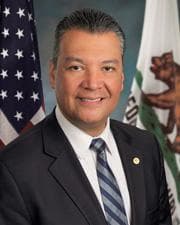
Alex Padilla
Democratic Senator
California
Cosponsors (1)
Agriculture, Nutrition, and Forestry Committee
- Introduced
- In Committee
- On Floor
- Passed Chamber
- Enacted
This legislation, known as the Forest Legacy Management Flexibility Act, significantly amends the Cooperative Forestry Assistance Act of 1978. It empowers states to authorize qualified organizations to acquire, hold, and manage conservation easements within the federal Forest Legacy Program. This expansion aims to enhance the program's flexibility and capacity for protecting important forest lands across the nation. To be considered a qualified organization , entities must meet strict criteria, including being a tax-exempt organization primarily focused on conservation, having no history of enforcement actions, and maintaining accreditation from the Land Trust Accreditation Commission. These organizations must demonstrate the necessary abilities to effectively acquire, monitor, and enforce conservation easements. Crucially, the bill includes provisions for reversion , ensuring that if an organization fails to uphold its responsibilities or modifies an easement inappropriately, the easement will transfer back to the state or another approved qualified organization, safeguarding the conservation objectives.
View Full TextSuggested Questions
Get AI-generated questions to help you understand this bill better
Timeline
Introduced in Senate
Read twice and referred to the Committee on Agriculture, Nutrition, and Forestry. (Sponsor introductory remarks on measure: CR S4999: 2)
Public Lands and Natural Resources
Forest Legacy Management Flexibility Act
USA119th CongressS-2566| Senate
| Updated: 7/31/2025
This legislation, known as the Forest Legacy Management Flexibility Act, significantly amends the Cooperative Forestry Assistance Act of 1978. It empowers states to authorize qualified organizations to acquire, hold, and manage conservation easements within the federal Forest Legacy Program. This expansion aims to enhance the program's flexibility and capacity for protecting important forest lands across the nation. To be considered a qualified organization , entities must meet strict criteria, including being a tax-exempt organization primarily focused on conservation, having no history of enforcement actions, and maintaining accreditation from the Land Trust Accreditation Commission. These organizations must demonstrate the necessary abilities to effectively acquire, monitor, and enforce conservation easements. Crucially, the bill includes provisions for reversion , ensuring that if an organization fails to uphold its responsibilities or modifies an easement inappropriately, the easement will transfer back to the state or another approved qualified organization, safeguarding the conservation objectives.
View Full TextSuggested Questions
Get AI-generated questions to help you understand this bill better
Timeline
Introduced in Senate
Read twice and referred to the Committee on Agriculture, Nutrition, and Forestry. (Sponsor introductory remarks on measure: CR S4999: 2)
Alex Padilla
Democratic Senator
California
Cosponsors (1)
Agriculture, Nutrition, and Forestry Committee
Public Lands and Natural Resources
- Introduced
- In Committee
- On Floor
- Passed Chamber
- Enacted