John R. Lewis Voting Rights Advancement Act of 2025
USA119th CongressS-2523| Senate
| Updated: 7/29/2025
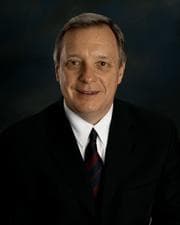
Richard J. Durbin
Democratic Senator
Illinois
Cosponsors (46)
Jeanne Shaheen (Democratic)Mazie K. Hirono (Democratic)Angela D. Alsobrooks (Democratic)Tammy Duckworth (Democratic)Margaret Wood Hassan (Democratic)Ruben Gallego (Democratic)Adam B. Schiff (Democratic)Jon Ossoff (Democratic)Catherine Cortez Masto (Democratic)Edward J. Markey (Democratic)Lisa Blunt Rochester (Democratic)Charles E. Schumer (Democratic)Jack Reed (Democratic)Kirsten E. Gillibrand (Democratic)Elizabeth Warren (Democratic)Ben Ray Luján (Democratic)Alex Padilla (Democratic)Christopher A. Coons (Democratic)Mark R. Warner (Democratic)Angus S. King (Independent)Amy Klobuchar (Democratic)John W. Hickenlooper (Democratic)Tim Kaine (Democratic)Sheldon Whitehouse (Democratic)Jacky Rosen (Democratic)Chris Van Hollen (Democratic)Christopher Murphy (Democratic)Martin Heinrich (Democratic)Michael F. Bennet (Democratic)Patty Murray (Democratic)John Fetterman (Democratic)Tina Smith (Democratic)Bernard Sanders (Independent)Brian Schatz (Democratic)Andy Kim (Democratic)Maria Cantwell (Democratic)Tammy Baldwin (Democratic)Cory A. Booker (Democratic)Peter Welch (Democratic)Jeff Merkley (Democratic)Elissa Slotkin (Democratic)Raphael G. Warnock (Democratic)Gary C. Peters (Democratic)Ron Wyden (Democratic)Richard Blumenthal (Democratic)Mark Kelly (Democratic)
Judiciary Committee
- Introduced
- In Committee
- On Floor
- Passed Chamber
- Enacted
The John R. Lewis Voting Rights Advancement Act of 2025 aims to significantly strengthen and modernize the Voting Rights Act of 1965 (VRA). This legislation addresses key areas of voting rights protection, including the criteria for federal oversight and the definition and enforcement of discriminatory voting practices. It also introduces new measures for transparency in election administration and to protect election workers and infrastructure. The bill amends Section 2 of the VRA to clarify and expand protections against vote dilution, denial, and abridgment. For vote dilution claims, it reaffirms the Thornburg v. Gingles standard and allows for cohesive coalitions of minority groups. A new standard for vote denial or abridgment is established, focusing on discriminatory burdens linked to social and historical conditions, and outlining specific factors for consideration while excluding others. Furthermore, a violation can be established if a practice is intended to dilute or deny voting rights, even if it also serves a political purpose, requiring proof of discriminatory impact. A central provision of the bill reinstates and revises the criteria for states and political subdivisions to be subject to federal preclearance under Section 4 of the VRA. Jurisdictions would be covered if they have a specified number of voting rights violations within the previous 25 years, with different thresholds for states and individual subdivisions. "Voting rights violations" are broadly defined to include judicial findings, Attorney General objections, and certain consent decrees. Covered jurisdictions would be subject to preclearance for 10 years, with provisions for "bailout" if they demonstrate a clean record. The bill introduces a new Section 4A, establishing a practice-based preclearance requirement for specific "covered practices" in jurisdictions meeting certain demographic thresholds. These practices include changes to election methods (e.g., at-large seats), boundary alterations that reduce minority voting strength, redistricting, and more stringent voter identification requirements. Other covered practices involve reductions in multilingual voting materials, changes that consolidate polling places or reduce voting opportunities, and new voter list maintenance processes with disparate impacts. Jurisdictions must obtain a declaratory judgment from the D.C. District Court or a non-objection from the Attorney General before implementing these changes. The legislation enhances enforcement mechanisms by expanding the Attorney General's authority to assign federal observers to monitor elections and investigate potential violations. It also grants "aggrieved persons" the ability to seek relief for various voting rights violations, not just the Attorney General. New transparency requirements mandate public notice for changes to voting qualifications, polling place resources, and demographic data related to electoral district changes. The bill also clarifies standards for granting preliminary injunctive relief in voting rights cases, emphasizing the public interest in expanding access to the ballot. Finally, the bill includes the "Election Worker and Polling Place Protection Act," which creates new federal prohibitions against interference, intimidation, and threats of violence targeting voters, poll watchers, election officials, or election infrastructure. These provisions establish criminal penalties for such actions, with increased penalties for bodily injury or the use of dangerous weapons. Federal prosecution for these offenses requires certification by the Attorney General.
Suggested Questions
Get AI-generated questions to help you understand this bill better
Timeline
Introduced in Senate
Read twice and referred to the Committee on the Judiciary. (text: CR S4821-4828: 2)
Read twice and referred to the Committee on the Judiciary. (text: CR S4821)
Government Operations and Politics
John R. Lewis Voting Rights Advancement Act of 2025
USA119th CongressS-2523| Senate
| Updated: 7/29/2025
The John R. Lewis Voting Rights Advancement Act of 2025 aims to significantly strengthen and modernize the Voting Rights Act of 1965 (VRA). This legislation addresses key areas of voting rights protection, including the criteria for federal oversight and the definition and enforcement of discriminatory voting practices. It also introduces new measures for transparency in election administration and to protect election workers and infrastructure. The bill amends Section 2 of the VRA to clarify and expand protections against vote dilution, denial, and abridgment. For vote dilution claims, it reaffirms the Thornburg v. Gingles standard and allows for cohesive coalitions of minority groups. A new standard for vote denial or abridgment is established, focusing on discriminatory burdens linked to social and historical conditions, and outlining specific factors for consideration while excluding others. Furthermore, a violation can be established if a practice is intended to dilute or deny voting rights, even if it also serves a political purpose, requiring proof of discriminatory impact. A central provision of the bill reinstates and revises the criteria for states and political subdivisions to be subject to federal preclearance under Section 4 of the VRA. Jurisdictions would be covered if they have a specified number of voting rights violations within the previous 25 years, with different thresholds for states and individual subdivisions. "Voting rights violations" are broadly defined to include judicial findings, Attorney General objections, and certain consent decrees. Covered jurisdictions would be subject to preclearance for 10 years, with provisions for "bailout" if they demonstrate a clean record. The bill introduces a new Section 4A, establishing a practice-based preclearance requirement for specific "covered practices" in jurisdictions meeting certain demographic thresholds. These practices include changes to election methods (e.g., at-large seats), boundary alterations that reduce minority voting strength, redistricting, and more stringent voter identification requirements. Other covered practices involve reductions in multilingual voting materials, changes that consolidate polling places or reduce voting opportunities, and new voter list maintenance processes with disparate impacts. Jurisdictions must obtain a declaratory judgment from the D.C. District Court or a non-objection from the Attorney General before implementing these changes. The legislation enhances enforcement mechanisms by expanding the Attorney General's authority to assign federal observers to monitor elections and investigate potential violations. It also grants "aggrieved persons" the ability to seek relief for various voting rights violations, not just the Attorney General. New transparency requirements mandate public notice for changes to voting qualifications, polling place resources, and demographic data related to electoral district changes. The bill also clarifies standards for granting preliminary injunctive relief in voting rights cases, emphasizing the public interest in expanding access to the ballot. Finally, the bill includes the "Election Worker and Polling Place Protection Act," which creates new federal prohibitions against interference, intimidation, and threats of violence targeting voters, poll watchers, election officials, or election infrastructure. These provisions establish criminal penalties for such actions, with increased penalties for bodily injury or the use of dangerous weapons. Federal prosecution for these offenses requires certification by the Attorney General.
Suggested Questions
Get AI-generated questions to help you understand this bill better
Timeline
Introduced in Senate
Read twice and referred to the Committee on the Judiciary. (text: CR S4821-4828: 2)
Read twice and referred to the Committee on the Judiciary. (text: CR S4821)
Richard J. Durbin
Democratic Senator
Illinois
Cosponsors (46)
Jeanne Shaheen (Democratic)Mazie K. Hirono (Democratic)Angela D. Alsobrooks (Democratic)Tammy Duckworth (Democratic)Margaret Wood Hassan (Democratic)Ruben Gallego (Democratic)Adam B. Schiff (Democratic)Jon Ossoff (Democratic)Catherine Cortez Masto (Democratic)Edward J. Markey (Democratic)Lisa Blunt Rochester (Democratic)Charles E. Schumer (Democratic)Jack Reed (Democratic)Kirsten E. Gillibrand (Democratic)Elizabeth Warren (Democratic)Ben Ray Luján (Democratic)Alex Padilla (Democratic)Christopher A. Coons (Democratic)Mark R. Warner (Democratic)Angus S. King (Independent)Amy Klobuchar (Democratic)John W. Hickenlooper (Democratic)Tim Kaine (Democratic)Sheldon Whitehouse (Democratic)Jacky Rosen (Democratic)Chris Van Hollen (Democratic)Christopher Murphy (Democratic)Martin Heinrich (Democratic)Michael F. Bennet (Democratic)Patty Murray (Democratic)John Fetterman (Democratic)Tina Smith (Democratic)Bernard Sanders (Independent)Brian Schatz (Democratic)Andy Kim (Democratic)Maria Cantwell (Democratic)Tammy Baldwin (Democratic)Cory A. Booker (Democratic)Peter Welch (Democratic)Jeff Merkley (Democratic)Elissa Slotkin (Democratic)Raphael G. Warnock (Democratic)Gary C. Peters (Democratic)Ron Wyden (Democratic)Richard Blumenthal (Democratic)Mark Kelly (Democratic)
Judiciary Committee
Government Operations and Politics
- Introduced
- In Committee
- On Floor
- Passed Chamber
- Enacted