Housing Supply Expansion Act of 2025
USA119th CongressS-2414| Senate
| Updated: 7/23/2025
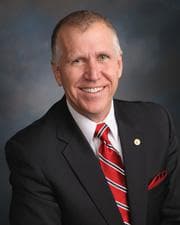
Thomas Tillis
Republican Senator
North Carolina
Cosponsors (11)
Banking, Housing, and Urban Affairs Committee
- Introduced
- In Committee
- On Floor
- Passed Chamber
- Enacted
The Housing Supply Expansion Act of 2025 aims to increase housing supply by modernizing the definition and regulatory treatment of manufactured homes. It amends the National Manufactured Housing Construction and Safety Standards Act of 1974 to define a manufactured home as one built "with or without a permanent chassis" , expanding the scope beyond traditional models. This change seeks to ensure that innovative housing solutions are recognized and regulated consistently across the nation. A central provision requires states to submit an initial certification to the Secretary of Housing and Urban Development within one year (or two years for biennial legislatures). This certification must attest that state laws and regulations treat all manufactured homes, including those without a permanent chassis, in parity with those built on a permanent chassis. This parity applies to critical areas such as financing, title, insurance, manufacture, sale, taxes, and transportation. States must also provide annual recertifications to confirm ongoing compliance. If a state fails to submit the required certifications by the deadline, it will be prohibited from allowing the manufacture, installation, or sale of certain manufactured homes within its borders. These "covered manufactured homes" are those built without a permanent chassis but considered manufactured homes under federal law and constructed after the bill's enactment. The Secretary of Housing and Urban Development is also authorized to coordinate with other federal agencies for consistent treatment of manufactured homes and to provide model guidance to assist states with certification.
View Full TextSuggested Questions
Get AI-generated questions to help you understand this bill better
Timeline
Introduced in Senate
Read twice and referred to the Committee on Banking, Housing, and Urban Affairs.
Housing and Community Development
Housing Supply Expansion Act of 2025
USA119th CongressS-2414| Senate
| Updated: 7/23/2025
The Housing Supply Expansion Act of 2025 aims to increase housing supply by modernizing the definition and regulatory treatment of manufactured homes. It amends the National Manufactured Housing Construction and Safety Standards Act of 1974 to define a manufactured home as one built "with or without a permanent chassis" , expanding the scope beyond traditional models. This change seeks to ensure that innovative housing solutions are recognized and regulated consistently across the nation. A central provision requires states to submit an initial certification to the Secretary of Housing and Urban Development within one year (or two years for biennial legislatures). This certification must attest that state laws and regulations treat all manufactured homes, including those without a permanent chassis, in parity with those built on a permanent chassis. This parity applies to critical areas such as financing, title, insurance, manufacture, sale, taxes, and transportation. States must also provide annual recertifications to confirm ongoing compliance. If a state fails to submit the required certifications by the deadline, it will be prohibited from allowing the manufacture, installation, or sale of certain manufactured homes within its borders. These "covered manufactured homes" are those built without a permanent chassis but considered manufactured homes under federal law and constructed after the bill's enactment. The Secretary of Housing and Urban Development is also authorized to coordinate with other federal agencies for consistent treatment of manufactured homes and to provide model guidance to assist states with certification.
View Full TextSuggested Questions
Get AI-generated questions to help you understand this bill better
Timeline
Introduced in Senate
Read twice and referred to the Committee on Banking, Housing, and Urban Affairs.
Thomas Tillis
Republican Senator
North Carolina
Cosponsors (11)
Banking, Housing, and Urban Affairs Committee
Housing and Community Development
Related Bills
- Introduced
- In Committee
- On Floor
- Passed Chamber
- Enacted