Scale-Up Manufacturing Investment Company Act of 2025
USA119th CongressS-2411| Senate
| Updated: 7/23/2025
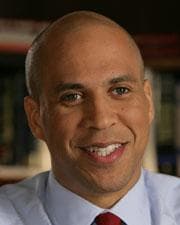
Cory A. Booker
Democratic Senator
New Jersey
Small Business and Entrepreneurship Committee
- Introduced
- In Committee
- On Floor
- Passed Chamber
- Enacted
The Scale-Up Manufacturing Investment Company (SUMIC) Act of 2025 addresses critical challenges faced by small and emerging manufacturers in the United States, particularly their difficulty in securing capital to scale commercial production. Congress finds that structural barriers often lead these innovative companies to move production overseas, despite the vital role manufacturing plays in the U.S. economy, job creation, and research and development. This bill aims to bridge the "second and wider valley of death" for manufacturing start-ups that are more capital-intensive than software or service companies. The legislation amends the Small Business Investment Act of 1958 to establish the SUMIC Program, to be administered by the Small Business Administration (SBA). Under this program, the SBA will provide financial leverage to privately managed investment funds, known as participating investment funds . These funds will then use the combined capital to make debt and equity investments in qualifying manufacturing projects undertaken by small and emerging manufacturers. To participate, investment funds must apply to the SBA, demonstrating requisite private capital and a proven investment track record, particularly with small manufacturers and advanced manufacturing technologies. The SBA may provide up to $1 of leverage for every $1 of private capital raised by a participating fund, with a maximum of $500 million per fund and an aggregate limit of $1 billion across all funds annually. Each participating fund must have at least $250 million in private capital, and a leverage fee of 3 to 5.5 percent will be charged. Investments made by participating funds must target small and emerging manufacturers for purposes such as building first commercial production facilities or introducing novel manufacturing capabilities. The bill mandates enhanced outreach efforts to increase investments in small businesses owned by socially and economically disadvantaged individuals, women, veterans, and individuals with disabilities. Participating funds will be subject to SBA examinations, regular valuations, and reporting requirements to ensure compliance and program oversight. Furthermore, the bill includes provisions to facilitate investment in these funds, allowing national banks and other financial institutions to invest up to 5 percent of their capital and surplus. Investments in SUMIC participating funds will also be considered for Community Reinvestment Act (CRA) credit, encouraging broader financial sector participation in supporting domestic manufacturing scale-up.
View Full TextSuggested Questions
Get AI-generated questions to help you understand this bill better
Timeline
Introduced in Senate
Read twice and referred to the Committee on Small Business and Entrepreneurship.
Commerce
Scale-Up Manufacturing Investment Company Act of 2025
USA119th CongressS-2411| Senate
| Updated: 7/23/2025
The Scale-Up Manufacturing Investment Company (SUMIC) Act of 2025 addresses critical challenges faced by small and emerging manufacturers in the United States, particularly their difficulty in securing capital to scale commercial production. Congress finds that structural barriers often lead these innovative companies to move production overseas, despite the vital role manufacturing plays in the U.S. economy, job creation, and research and development. This bill aims to bridge the "second and wider valley of death" for manufacturing start-ups that are more capital-intensive than software or service companies. The legislation amends the Small Business Investment Act of 1958 to establish the SUMIC Program, to be administered by the Small Business Administration (SBA). Under this program, the SBA will provide financial leverage to privately managed investment funds, known as participating investment funds . These funds will then use the combined capital to make debt and equity investments in qualifying manufacturing projects undertaken by small and emerging manufacturers. To participate, investment funds must apply to the SBA, demonstrating requisite private capital and a proven investment track record, particularly with small manufacturers and advanced manufacturing technologies. The SBA may provide up to $1 of leverage for every $1 of private capital raised by a participating fund, with a maximum of $500 million per fund and an aggregate limit of $1 billion across all funds annually. Each participating fund must have at least $250 million in private capital, and a leverage fee of 3 to 5.5 percent will be charged. Investments made by participating funds must target small and emerging manufacturers for purposes such as building first commercial production facilities or introducing novel manufacturing capabilities. The bill mandates enhanced outreach efforts to increase investments in small businesses owned by socially and economically disadvantaged individuals, women, veterans, and individuals with disabilities. Participating funds will be subject to SBA examinations, regular valuations, and reporting requirements to ensure compliance and program oversight. Furthermore, the bill includes provisions to facilitate investment in these funds, allowing national banks and other financial institutions to invest up to 5 percent of their capital and surplus. Investments in SUMIC participating funds will also be considered for Community Reinvestment Act (CRA) credit, encouraging broader financial sector participation in supporting domestic manufacturing scale-up.
View Full TextSuggested Questions
Get AI-generated questions to help you understand this bill better
Timeline
Introduced in Senate
Read twice and referred to the Committee on Small Business and Entrepreneurship.
Cory A. Booker
Democratic Senator
New Jersey
Small Business and Entrepreneurship Committee
Commerce
- Introduced
- In Committee
- On Floor
- Passed Chamber
- Enacted