PROACTIV Artificial Intelligence Data Act of 2025
USA119th CongressS-2381| Senate
| Updated: 7/22/2025
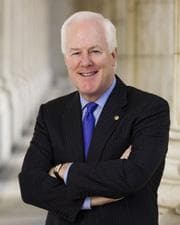
John Cornyn
Republican Senator
Texas
Cosponsors (2)
Commerce, Science, and Transportation Committee
- Introduced
- In Committee
- On Floor
- Passed Chamber
- Enacted
This bill mandates the Director of the National Institute of Standards and Technology (NIST) to establish a voluntary framework within one year for addressing child pornography in artificial intelligence training datasets. Developed in collaboration with entities like the National Science Foundation, the National Center for Missing and Exploited Children, and the Department of Justice, this framework will provide guidelines, best practices, and procedures for AI developers and data collectors. Its core purpose is to facilitate the detection, removal, and regular reporting of child pornography found in these specific datasets to law enforcement and NCMEC. The framework applies specifically to AI developers and data collectors , excluding AI deployers or users, and NIST must solicit input from a wide range of stakeholders, including academic institutions, federal agencies, and civil society, while also providing public comment opportunities. Additionally, the National Science Foundation is tasked with supporting research into innovative methods for detecting and removing such content. The bill also provides limited liability protection for AI developers and data collectors who comply with the framework, shielding them from legal action, unless their actions involve intentional misconduct, actual malice, reckless disregard, gross negligence, or other specific violations.
View Full TextSuggested Questions
Get AI-generated questions to help you understand this bill better
Timeline
Introduced in Senate
Read twice and referred to the Committee on Commerce, Science, and Transportation.
Science, Technology, Communications
Advanced technology and technological innovationsChild safety and welfareComputers and information technologyCrimes against childrenPornographyResearch and development
PROACTIV Artificial Intelligence Data Act of 2025
USA119th CongressS-2381| Senate
| Updated: 7/22/2025
This bill mandates the Director of the National Institute of Standards and Technology (NIST) to establish a voluntary framework within one year for addressing child pornography in artificial intelligence training datasets. Developed in collaboration with entities like the National Science Foundation, the National Center for Missing and Exploited Children, and the Department of Justice, this framework will provide guidelines, best practices, and procedures for AI developers and data collectors. Its core purpose is to facilitate the detection, removal, and regular reporting of child pornography found in these specific datasets to law enforcement and NCMEC. The framework applies specifically to AI developers and data collectors , excluding AI deployers or users, and NIST must solicit input from a wide range of stakeholders, including academic institutions, federal agencies, and civil society, while also providing public comment opportunities. Additionally, the National Science Foundation is tasked with supporting research into innovative methods for detecting and removing such content. The bill also provides limited liability protection for AI developers and data collectors who comply with the framework, shielding them from legal action, unless their actions involve intentional misconduct, actual malice, reckless disregard, gross negligence, or other specific violations.
View Full TextSuggested Questions
Get AI-generated questions to help you understand this bill better
Timeline
Introduced in Senate
Read twice and referred to the Committee on Commerce, Science, and Transportation.
John Cornyn
Republican Senator
Texas
Cosponsors (2)
Commerce, Science, and Transportation Committee
Science, Technology, Communications
- Introduced
- In Committee
- On Floor
- Passed Chamber
- Enacted
Advanced technology and technological innovationsChild safety and welfareComputers and information technologyCrimes against childrenPornographyResearch and development