Short on Competition Act
USA119th CongressS-2345| Senate
| Updated: 7/17/2025
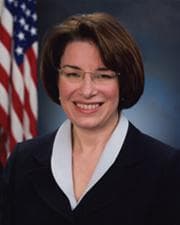
Amy Klobuchar
Democratic Senator
Minnesota
Health, Education, Labor, and Pensions Committee
- Introduced
- In Committee
- On Floor
- Passed Chamber
- Enacted
This bill, titled the "Short on Competition Act," seeks to enhance competition and alleviate drug shortages within the prescription drug market. It introduces new provisions to allow for the expedited approval of generic prescription drugs and the temporary importation of medications under specific circumstances. The legislation aims to ensure greater access to essential drugs by addressing both supply chain disruptions and insufficient market competition. A key provision grants the Secretary of Health and Human Services the authority to authorize the temporary importation of prescription drugs for up to three years when a drug shortage is identified. This authorization is contingent on conditions such as the drug being lawfully marketed in a trusted country, having the same active ingredient as the shortage drug, and the manufacturer intending to seek generic approval. The Secretary can deny importation only if there are safety or effectiveness concerns, ensuring patient safety remains paramount. The bill further addresses marginally competitive drug markets , defined by factors like fewer than five commercially available drugs for an older, off-patent medication. In these situations, the Secretary must treat the market as a drug shortage, triggering expedited review for generic applications and mandatory temporary drug importation. This mechanism aims to stimulate generic competition for older drugs lacking sufficient market alternatives and requires annual reporting on the number of drugs authorized for temporary importation.
Suggested Questions
Get AI-generated questions to help you understand this bill better
Health
Short on Competition Act
USA119th CongressS-2345| Senate
| Updated: 7/17/2025
This bill, titled the "Short on Competition Act," seeks to enhance competition and alleviate drug shortages within the prescription drug market. It introduces new provisions to allow for the expedited approval of generic prescription drugs and the temporary importation of medications under specific circumstances. The legislation aims to ensure greater access to essential drugs by addressing both supply chain disruptions and insufficient market competition. A key provision grants the Secretary of Health and Human Services the authority to authorize the temporary importation of prescription drugs for up to three years when a drug shortage is identified. This authorization is contingent on conditions such as the drug being lawfully marketed in a trusted country, having the same active ingredient as the shortage drug, and the manufacturer intending to seek generic approval. The Secretary can deny importation only if there are safety or effectiveness concerns, ensuring patient safety remains paramount. The bill further addresses marginally competitive drug markets , defined by factors like fewer than five commercially available drugs for an older, off-patent medication. In these situations, the Secretary must treat the market as a drug shortage, triggering expedited review for generic applications and mandatory temporary drug importation. This mechanism aims to stimulate generic competition for older drugs lacking sufficient market alternatives and requires annual reporting on the number of drugs authorized for temporary importation.
Suggested Questions
Get AI-generated questions to help you understand this bill better
Amy Klobuchar
Democratic Senator
Minnesota
Health, Education, Labor, and Pensions Committee
Health
- Introduced
- In Committee
- On Floor
- Passed Chamber
- Enacted