Asunción Valdivia Heat Illness, Injury, and Fatality Prevention Act of 2025
USA119th CongressS-2298| Senate
| Updated: 7/16/2025
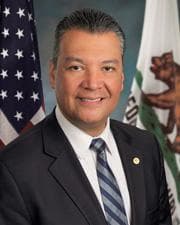
Alex Padilla
Democratic Senator
California
Cosponsors (27)
Mazie K. Hirono (Democratic)Angela D. Alsobrooks (Democratic)Ruben Gallego (Democratic)Adam B. Schiff (Democratic)Catherine Cortez Masto (Democratic)Edward J. Markey (Democratic)Lisa Blunt Rochester (Democratic)Jack Reed (Democratic)Kirsten E. Gillibrand (Democratic)Elizabeth Warren (Democratic)Ben Ray Luján (Democratic)John W. Hickenlooper (Democratic)Sheldon Whitehouse (Democratic)Chris Van Hollen (Democratic)Martin Heinrich (Democratic)Patty Murray (Democratic)John Fetterman (Democratic)Bernard Sanders (Independent)Brian Schatz (Democratic)Andy Kim (Democratic)Tammy Baldwin (Democratic)Cory A. Booker (Democratic)Peter Welch (Democratic)Jeff Merkley (Democratic)Ron Wyden (Democratic)Richard Blumenthal (Democratic)Mark Kelly (Democratic)
Health, Education, Labor, and Pensions Committee
- Introduced
- In Committee
- On Floor
- Passed Chamber
- Enacted
The Asuncion Valdivia Heat Illness, Injury, and Fatality Prevention Act of 2025 mandates the Secretary of Labor to promulgate a comprehensive worker heat protection standard. This standard aims to safeguard employees from heat-related injuries and illnesses by regulating exposure to heat stress. The bill emphasizes the need for the highest degree of health and safety protection, based on the best available evidence. Employers are required to furnish employment and a place of employment free from conditions that may reasonably cause death or serious physical harm from heat stress, and to comply with all standards issued under this Act. The Secretary, in designing these standards, must prioritize worker protection and may consider requirements adopted by existing state plans as feasible measures. Expertise from organizations like the National Institute for Occupational Safety and Health will be considered the best available evidence. The worker heat protection standard may include various measures to mitigate heat stress. These include **engineering controls**, such as climate-control technologies or exhaust ventilation, and **administrative controls**, like adjusting work procedures or schedules. Employers may also be required to provide **personal protective equipment** at their expense, such as water-cooled garments or cooling vests. Further protective measures encompass **health-related protocols**, including medical symptom monitoring and emergency response plans, along with comprehensive **training requirements** for both employees and supervisors on recognizing and responding to heat-related illness. The bill also mandates **planning requirements** for a heat illness and injury prevention plan, which must be developed and updated with meaningful employee participation and made available upon request. Crucially, the Secretary must establish criteria for core practices, requiring employers to provide **suitably cool potable water**, **periodic paid rest breaks** to reduce heat stress, and **access to shade or suitable cool-down spaces**. Employees must receive compensation at their regular rate for any required duration, such as rest breaks or training, and all training and written plans must be provided in languages understood by the employees. The bill directs the Secretary to issue an **interim final rule** within one year of enactment, which will take effect upon issuance and remain in place until superseded by a final rule. Subsequent rulemaking procedures are outlined, including timelines for proposed and final standards, and provisions for judicial review. These standards will have the same legal effect as other occupational safety and health standards, with a four-year statute of limitations for citations and robust whistleblower protections. Finally, the Secretary is tasked with updating the National Agricultural Workers Survey to identify the incidence and prevalence of heat-related illness and injury, and to assess the impact of the new standards. A report on this implementation must be submitted to Congress within one year. The Act also defines key terms such as "heat stress," "heat-related illness," and "worker heat protection standard."
View Full TextSuggested Questions
Get AI-generated questions to help you understand this bill better
Timeline
Bill from Previous Congress
S 116-4781Asuncion Valdivia Heat Illness and Fatality Prevention Act of 2020
Bill from Previous Congress
S 117-1068Asuncion Valdivia Heat Illness and Fatality Prevention Act of 2021
Bill from Previous Congress
S 118-2501Asunción Valdivia Heat Illness, Injury, and Fatality Prevention Act of 2023
Introduced in Senate
Read twice and referred to the Committee on Health, Education, Labor, and Pensions. (Sponsor introductory remarks on measure: CR S4421-4422: 3)
Read twice and referred to the Committee on Health, Education, Labor, and Pensions. (Sponsor introductory remarks on measure: CR S4421-4422)
Labor and Employment
Asunción Valdivia Heat Illness, Injury, and Fatality Prevention Act of 2025
USA119th CongressS-2298| Senate
| Updated: 7/16/2025
The Asuncion Valdivia Heat Illness, Injury, and Fatality Prevention Act of 2025 mandates the Secretary of Labor to promulgate a comprehensive worker heat protection standard. This standard aims to safeguard employees from heat-related injuries and illnesses by regulating exposure to heat stress. The bill emphasizes the need for the highest degree of health and safety protection, based on the best available evidence. Employers are required to furnish employment and a place of employment free from conditions that may reasonably cause death or serious physical harm from heat stress, and to comply with all standards issued under this Act. The Secretary, in designing these standards, must prioritize worker protection and may consider requirements adopted by existing state plans as feasible measures. Expertise from organizations like the National Institute for Occupational Safety and Health will be considered the best available evidence. The worker heat protection standard may include various measures to mitigate heat stress. These include **engineering controls**, such as climate-control technologies or exhaust ventilation, and **administrative controls**, like adjusting work procedures or schedules. Employers may also be required to provide **personal protective equipment** at their expense, such as water-cooled garments or cooling vests. Further protective measures encompass **health-related protocols**, including medical symptom monitoring and emergency response plans, along with comprehensive **training requirements** for both employees and supervisors on recognizing and responding to heat-related illness. The bill also mandates **planning requirements** for a heat illness and injury prevention plan, which must be developed and updated with meaningful employee participation and made available upon request. Crucially, the Secretary must establish criteria for core practices, requiring employers to provide **suitably cool potable water**, **periodic paid rest breaks** to reduce heat stress, and **access to shade or suitable cool-down spaces**. Employees must receive compensation at their regular rate for any required duration, such as rest breaks or training, and all training and written plans must be provided in languages understood by the employees. The bill directs the Secretary to issue an **interim final rule** within one year of enactment, which will take effect upon issuance and remain in place until superseded by a final rule. Subsequent rulemaking procedures are outlined, including timelines for proposed and final standards, and provisions for judicial review. These standards will have the same legal effect as other occupational safety and health standards, with a four-year statute of limitations for citations and robust whistleblower protections. Finally, the Secretary is tasked with updating the National Agricultural Workers Survey to identify the incidence and prevalence of heat-related illness and injury, and to assess the impact of the new standards. A report on this implementation must be submitted to Congress within one year. The Act also defines key terms such as "heat stress," "heat-related illness," and "worker heat protection standard."
View Full TextSuggested Questions
Get AI-generated questions to help you understand this bill better
Timeline
Bill from Previous Congress
S 116-4781Asuncion Valdivia Heat Illness and Fatality Prevention Act of 2020
Bill from Previous Congress
S 117-1068Asuncion Valdivia Heat Illness and Fatality Prevention Act of 2021
Bill from Previous Congress
S 118-2501Asunción Valdivia Heat Illness, Injury, and Fatality Prevention Act of 2023
Introduced in Senate
Read twice and referred to the Committee on Health, Education, Labor, and Pensions. (Sponsor introductory remarks on measure: CR S4421-4422: 3)
Read twice and referred to the Committee on Health, Education, Labor, and Pensions. (Sponsor introductory remarks on measure: CR S4421-4422)
Alex Padilla
Democratic Senator
California
Cosponsors (27)
Mazie K. Hirono (Democratic)Angela D. Alsobrooks (Democratic)Ruben Gallego (Democratic)Adam B. Schiff (Democratic)Catherine Cortez Masto (Democratic)Edward J. Markey (Democratic)Lisa Blunt Rochester (Democratic)Jack Reed (Democratic)Kirsten E. Gillibrand (Democratic)Elizabeth Warren (Democratic)Ben Ray Luján (Democratic)John W. Hickenlooper (Democratic)Sheldon Whitehouse (Democratic)Chris Van Hollen (Democratic)Martin Heinrich (Democratic)Patty Murray (Democratic)John Fetterman (Democratic)Bernard Sanders (Independent)Brian Schatz (Democratic)Andy Kim (Democratic)Tammy Baldwin (Democratic)Cory A. Booker (Democratic)Peter Welch (Democratic)Jeff Merkley (Democratic)Ron Wyden (Democratic)Richard Blumenthal (Democratic)Mark Kelly (Democratic)
Health, Education, Labor, and Pensions Committee
Labor and Employment
Related Bills
- Introduced
- In Committee
- On Floor
- Passed Chamber
- Enacted