Over-the-Counter Monograph Drug User Fee Amendments
USA119th CongressS-2292| Senate
| Updated: 9/8/2025
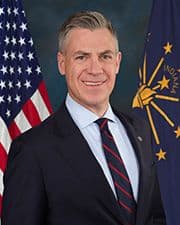
Jim Banks
Republican Senator
Indiana
Health, Education, Labor, and Pensions Committee
- Introduced
- In Committee
- On Floor
- Passed Chamber
- Enacted
This legislation, titled the Over-the-Counter Monograph Drug User Fee Amendments, aims to reauthorize and significantly revise the existing user fee program for over-the-counter (OTC) monograph drugs. The fees collected under this program are specifically dedicated to supporting OTC monograph drug activities, as outlined in agreements between the Secretary of Health and Human Services and congressional committees, ensuring resources are channeled effectively. The bill extends the authority to assess and use OTC monograph fees for fiscal years 2026 through 2030, updating the applicable periods for facility fee assessments and modifying criteria for facilities ceasing activities. It also revises the due dates for facility fees, establishing distinct schedules for fiscal years 2026, 2027, and subsequent years to ensure timely collection. Furthermore, the legislation details how total facility fee revenue amounts will be established, incorporating annual base revenue, inflation adjustments, operating reserve adjustments, and additional direct cost adjustments. A notable addition is a one-time facility fee workload adjustment that may be applied for fiscal years 2028, 2029, or 2030, contingent on specific conditions related to the average number of facilities and their arrears status. The Secretary is mandated to establish and publish these fee amounts annually in the Federal Register, ensuring transparency and predictability for the regulated industry. This comprehensive update to the fee structure aims to provide stable funding for the FDA's oversight of OTC monograph drugs. The bill amends definitions to include the addition or modification of testing procedures that reflect voluntary consensus standards for pharmaceutical quality, recognized by the Secretary. It also enhances reporting requirements for the Food and Drug Administration (FDA), mandating annual performance reports that include detailed metrics on OTC monograph order requests, processing timelines, and postmarket safety activities. Additionally, the FDA must report on facility registration, fee payments, and progress in allowing nonclinical testing alternatives for sunscreen active ingredients. Significant provisions are introduced for the treatment of active ingredients in topical administration , requiring the Secretary to utilize standards that allow for real-world evidence in evaluating their generally recognized as safe and effective status. The legislation also mandates the consideration of non-animal testing methods for topical active ingredients and requires the FDA to issue guidance on their use within one year. This includes specific directives for the final administrative order on nonprescription sunscreen active ingredients, emphasizing historical data and the role of broad-spectrum sunscreens. To increase clarity and predictability, the bill establishes a framework for Rx-to-nonprescription switches , allowing applicants to request meetings with the Secretary to develop application plans. It requires the FDA to issue guidance within 18 months on the process and standards for these switches, covering evidence sources, meeting procedures, and consumer self-selection criteria. The legislation also mandates a plan to engage stakeholders in identifying promising candidates for such switches, defining both full and partial Rx-to-nonprescription transitions. Finally, the bill requires two reports from the Government Accountability Office (GAO): one assessing the supply chain of OTC monograph drugs by September 30, 2027, and another evaluating Rx-to-nonprescription switch applications within one year of enactment. The authorization for the user fee sections will cease on October 1, 2030, with reporting requirements expiring on January 31, 2031, ensuring a defined period for the program's operation.
Suggested Questions
Get AI-generated questions to help you understand this bill better
Timeline
Introduced in Senate
Read twice and referred to the Committee on Health, Education, Labor, and Pensions.
Committee on Health, Education, Labor, and Pensions. Ordered to be reported with an amendment in the nature of a substitute favorably.
Committee on Health, Education, Labor, and Pensions. Reported by Senator Cassidy with an amendment in the nature of a substitute. Without written report.
Placed on Senate Legislative Calendar under General Orders. Calendar No. 152.
Health
Congressional oversightDrug safety, medical device, and laboratory regulationSupply chainUser charges and fees
Over-the-Counter Monograph Drug User Fee Amendments
USA119th CongressS-2292| Senate
| Updated: 9/8/2025
This legislation, titled the Over-the-Counter Monograph Drug User Fee Amendments, aims to reauthorize and significantly revise the existing user fee program for over-the-counter (OTC) monograph drugs. The fees collected under this program are specifically dedicated to supporting OTC monograph drug activities, as outlined in agreements between the Secretary of Health and Human Services and congressional committees, ensuring resources are channeled effectively. The bill extends the authority to assess and use OTC monograph fees for fiscal years 2026 through 2030, updating the applicable periods for facility fee assessments and modifying criteria for facilities ceasing activities. It also revises the due dates for facility fees, establishing distinct schedules for fiscal years 2026, 2027, and subsequent years to ensure timely collection. Furthermore, the legislation details how total facility fee revenue amounts will be established, incorporating annual base revenue, inflation adjustments, operating reserve adjustments, and additional direct cost adjustments. A notable addition is a one-time facility fee workload adjustment that may be applied for fiscal years 2028, 2029, or 2030, contingent on specific conditions related to the average number of facilities and their arrears status. The Secretary is mandated to establish and publish these fee amounts annually in the Federal Register, ensuring transparency and predictability for the regulated industry. This comprehensive update to the fee structure aims to provide stable funding for the FDA's oversight of OTC monograph drugs. The bill amends definitions to include the addition or modification of testing procedures that reflect voluntary consensus standards for pharmaceutical quality, recognized by the Secretary. It also enhances reporting requirements for the Food and Drug Administration (FDA), mandating annual performance reports that include detailed metrics on OTC monograph order requests, processing timelines, and postmarket safety activities. Additionally, the FDA must report on facility registration, fee payments, and progress in allowing nonclinical testing alternatives for sunscreen active ingredients. Significant provisions are introduced for the treatment of active ingredients in topical administration , requiring the Secretary to utilize standards that allow for real-world evidence in evaluating their generally recognized as safe and effective status. The legislation also mandates the consideration of non-animal testing methods for topical active ingredients and requires the FDA to issue guidance on their use within one year. This includes specific directives for the final administrative order on nonprescription sunscreen active ingredients, emphasizing historical data and the role of broad-spectrum sunscreens. To increase clarity and predictability, the bill establishes a framework for Rx-to-nonprescription switches , allowing applicants to request meetings with the Secretary to develop application plans. It requires the FDA to issue guidance within 18 months on the process and standards for these switches, covering evidence sources, meeting procedures, and consumer self-selection criteria. The legislation also mandates a plan to engage stakeholders in identifying promising candidates for such switches, defining both full and partial Rx-to-nonprescription transitions. Finally, the bill requires two reports from the Government Accountability Office (GAO): one assessing the supply chain of OTC monograph drugs by September 30, 2027, and another evaluating Rx-to-nonprescription switch applications within one year of enactment. The authorization for the user fee sections will cease on October 1, 2030, with reporting requirements expiring on January 31, 2031, ensuring a defined period for the program's operation.
Suggested Questions
Get AI-generated questions to help you understand this bill better
Timeline
Introduced in Senate
Read twice and referred to the Committee on Health, Education, Labor, and Pensions.
Committee on Health, Education, Labor, and Pensions. Ordered to be reported with an amendment in the nature of a substitute favorably.
Committee on Health, Education, Labor, and Pensions. Reported by Senator Cassidy with an amendment in the nature of a substitute. Without written report.
Placed on Senate Legislative Calendar under General Orders. Calendar No. 152.
Jim Banks
Republican Senator
Indiana
Health, Education, Labor, and Pensions Committee
Health
Related Bills
- Introduced
- In Committee
- On Floor
- Passed Chamber
- Enacted
Congressional oversightDrug safety, medical device, and laboratory regulationSupply chainUser charges and fees