Graham Hoffman Act
USA119th CongressS-2278| Senate
| Updated: 7/15/2025
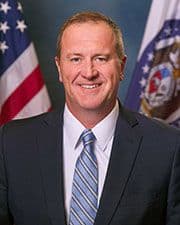
Eric Schmitt
Republican Senator
Missouri
Cosponsors (7)
Judiciary Committee
- Introduced
- In Committee
- On Floor
- Passed Chamber
- Enacted
The Graham Hoffman Act creates a new federal offense under Title 18 of the U.S. Code, specifically targeting criminal acts against first responders. This legislation makes it a federal crime to knowingly assault a first responder engaged in official duties, causing serious bodily injury, or to attempt such an act. Penalties for this offense include imprisonment for up to 10 years, a fine, or both. If the assault results in the death of the first responder, or involves kidnapping or an attempt to kill, the perpetrator could face life imprisonment , a fine, or both. Federal jurisdiction for these crimes is established under several conditions, such as when the conduct involves interstate travel or commerce, or if the victim is a federal first responder. Before initiating a federal prosecution, the Attorney General or a designee must provide written certification . This certification is required if the state lacks jurisdiction, requests federal intervention, or if federal prosecution is deemed necessary to secure substantial justice or vindicate federal interests. The bill broadly defines "first responder" to include firefighters, law enforcement officers, members of rescue squads or ambulance crews, and officially recognized paramedic ALS intercept service personnel.
View Full TextSuggested Questions
Get AI-generated questions to help you understand this bill better
Timeline
Introduced in Senate
Read twice and referred to the Committee on the Judiciary.
Crime and Law Enforcement
Graham Hoffman Act
USA119th CongressS-2278| Senate
| Updated: 7/15/2025
The Graham Hoffman Act creates a new federal offense under Title 18 of the U.S. Code, specifically targeting criminal acts against first responders. This legislation makes it a federal crime to knowingly assault a first responder engaged in official duties, causing serious bodily injury, or to attempt such an act. Penalties for this offense include imprisonment for up to 10 years, a fine, or both. If the assault results in the death of the first responder, or involves kidnapping or an attempt to kill, the perpetrator could face life imprisonment , a fine, or both. Federal jurisdiction for these crimes is established under several conditions, such as when the conduct involves interstate travel or commerce, or if the victim is a federal first responder. Before initiating a federal prosecution, the Attorney General or a designee must provide written certification . This certification is required if the state lacks jurisdiction, requests federal intervention, or if federal prosecution is deemed necessary to secure substantial justice or vindicate federal interests. The bill broadly defines "first responder" to include firefighters, law enforcement officers, members of rescue squads or ambulance crews, and officially recognized paramedic ALS intercept service personnel.
View Full TextSuggested Questions
Get AI-generated questions to help you understand this bill better
Timeline
Introduced in Senate
Read twice and referred to the Committee on the Judiciary.
Eric Schmitt
Republican Senator
Missouri
Cosponsors (7)
Judiciary Committee
Crime and Law Enforcement
- Introduced
- In Committee
- On Floor
- Passed Chamber
- Enacted