Tribal Access to Clean Water Act of 2025
USA119th CongressS-2272| Senate
| Updated: 7/14/2025
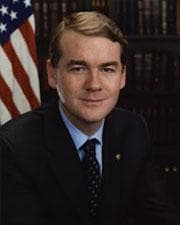
Michael F. Bennet
Democratic Senator
Colorado
Cosponsors (7)
Indian Affairs Committee
- Introduced
- In Committee
- On Floor
- Passed Chamber
- Enacted
The Tribal Access to Clean Water Act of 2025 seeks to address the critical lack of reliable, clean, and drinkable water and sanitation infrastructure on Tribal lands and within the Native Hawaiian Community. Congress finds that nearly half of households on Tribal lands lack these basic services, underscoring a significant public health and economic development challenge that the Federal Government has a trust responsibility to resolve. The bill authorizes substantial new funding and expands eligibility for existing programs across multiple federal agencies. The Department of Agriculture's Rural Development programs would receive $100 million annually for water development loans and grants, plus $30 million annually for technical assistance, extending eligibility to Native Hawaiian organizations and waiving matching fund requirements. The Indian Health Service's Sanitation Facilities Construction Program would see an authorization of $500 million annually , with an additional $30 million annually for technical assistance for Indian Tribes. Crucially, it also authorizes $100 million annually for the operation and maintenance of Tribal drinking water and sanitation facilities, prioritizing those most in need and ensuring sustained support for five years post-completion. Furthermore, the bill authorizes $18 million annually for the Bureau of Reclamation's Native American Affairs Technical Assistance Program. These provisions collectively aim to provide the necessary resources and support for Indian Tribes and the Native Hawaiian Community to build, operate, and maintain essential water infrastructure, ensuring access to clean water and sanitation.
Suggested Questions
Get AI-generated questions to help you understand this bill better
Timeline
Introduced in Senate
Read twice and referred to the Committee on Indian Affairs.
Native Americans
Tribal Access to Clean Water Act of 2025
USA119th CongressS-2272| Senate
| Updated: 7/14/2025
The Tribal Access to Clean Water Act of 2025 seeks to address the critical lack of reliable, clean, and drinkable water and sanitation infrastructure on Tribal lands and within the Native Hawaiian Community. Congress finds that nearly half of households on Tribal lands lack these basic services, underscoring a significant public health and economic development challenge that the Federal Government has a trust responsibility to resolve. The bill authorizes substantial new funding and expands eligibility for existing programs across multiple federal agencies. The Department of Agriculture's Rural Development programs would receive $100 million annually for water development loans and grants, plus $30 million annually for technical assistance, extending eligibility to Native Hawaiian organizations and waiving matching fund requirements. The Indian Health Service's Sanitation Facilities Construction Program would see an authorization of $500 million annually , with an additional $30 million annually for technical assistance for Indian Tribes. Crucially, it also authorizes $100 million annually for the operation and maintenance of Tribal drinking water and sanitation facilities, prioritizing those most in need and ensuring sustained support for five years post-completion. Furthermore, the bill authorizes $18 million annually for the Bureau of Reclamation's Native American Affairs Technical Assistance Program. These provisions collectively aim to provide the necessary resources and support for Indian Tribes and the Native Hawaiian Community to build, operate, and maintain essential water infrastructure, ensuring access to clean water and sanitation.
Suggested Questions
Get AI-generated questions to help you understand this bill better
Timeline
Introduced in Senate
Read twice and referred to the Committee on Indian Affairs.
Michael F. Bennet
Democratic Senator
Colorado
Cosponsors (7)
Indian Affairs Committee
Native Americans
- Introduced
- In Committee
- On Floor
- Passed Chamber
- Enacted