Border Patrol Recruitment Enhancement Act
USA119th CongressS-2163| Senate
| Updated: 6/25/2025
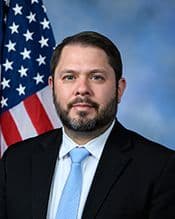
Ruben Gallego
Democratic Senator
Arizona
Homeland Security and Governmental Affairs Committee
- Introduced
- In Committee
- On Floor
- Passed Chamber
- Enacted
The Border Patrol Recruitment Enhancement Act amends the Anti-Border Corruption Act of 2010, granting the Commissioner of U.S. Customs and Border Protection (CBP) authority to waive the mandatory polygraph examination for specific job applicants. This initiative aims to enhance recruitment by streamlining the hiring process for experienced individuals, acknowledging their prior service and existing security clearances. This waiver authority is temporary, set to expire five years after the act's enactment. The waiver may be applied to three distinct categories of applicants: current full-time State or local law enforcement officers , current full-time Federal law enforcement officers , and members of the Armed Forces or veterans . Each group must meet stringent criteria, including a minimum of three years of service, a clean disciplinary record, and either a recently passed polygraph (for state/local officers) or a current Top Secret/Sensitive Compartmented Information (SCI) background investigation (for federal officers and military personnel). Applicants must not have resigned under investigation or been dismissed from previous law enforcement roles. Even with a waiver, applicants remain subject to all other suitability requirements, and the Commissioner retains the authority to administer a polygraph if new information arises during the background investigation. The bill mandates comprehensive oversight, requiring the CBP Commissioner to submit annual reports to Congress for five years detailing the program's implementation, effectiveness, and any disciplinary actions involving waived hires. Furthermore, the Government Accountability Office (GAO) will conduct periodic reviews to compare disciplinary rates between individuals hired with and without the polygraph waiver.
View Full TextSuggested Questions
Get AI-generated questions to help you understand this bill better
Timeline
Introduced in Senate
Read twice and referred to the Committee on Homeland Security and Governmental Affairs.
Immigration
Border Patrol Recruitment Enhancement Act
USA119th CongressS-2163| Senate
| Updated: 6/25/2025
The Border Patrol Recruitment Enhancement Act amends the Anti-Border Corruption Act of 2010, granting the Commissioner of U.S. Customs and Border Protection (CBP) authority to waive the mandatory polygraph examination for specific job applicants. This initiative aims to enhance recruitment by streamlining the hiring process for experienced individuals, acknowledging their prior service and existing security clearances. This waiver authority is temporary, set to expire five years after the act's enactment. The waiver may be applied to three distinct categories of applicants: current full-time State or local law enforcement officers , current full-time Federal law enforcement officers , and members of the Armed Forces or veterans . Each group must meet stringent criteria, including a minimum of three years of service, a clean disciplinary record, and either a recently passed polygraph (for state/local officers) or a current Top Secret/Sensitive Compartmented Information (SCI) background investigation (for federal officers and military personnel). Applicants must not have resigned under investigation or been dismissed from previous law enforcement roles. Even with a waiver, applicants remain subject to all other suitability requirements, and the Commissioner retains the authority to administer a polygraph if new information arises during the background investigation. The bill mandates comprehensive oversight, requiring the CBP Commissioner to submit annual reports to Congress for five years detailing the program's implementation, effectiveness, and any disciplinary actions involving waived hires. Furthermore, the Government Accountability Office (GAO) will conduct periodic reviews to compare disciplinary rates between individuals hired with and without the polygraph waiver.
View Full TextSuggested Questions
Get AI-generated questions to help you understand this bill better
Timeline
Introduced in Senate
Read twice and referred to the Committee on Homeland Security and Governmental Affairs.
Ruben Gallego
Democratic Senator
Arizona
Homeland Security and Governmental Affairs Committee
Immigration
- Introduced
- In Committee
- On Floor
- Passed Chamber
- Enacted