End Junk Fees for Renters Act
USA119th CongressS-2148| Senate
| Updated: 6/24/2025
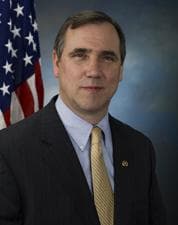
Jeff Merkley
Democratic Senator
Oregon
Cosponsors (1)
Banking, Housing, and Urban Affairs Committee
- Introduced
- In Committee
- On Floor
- Passed Chamber
- Enacted
The "End Junk Fees for Renters Act" aims to protect tenants in federally assisted or federally backed housing by prohibiting and regulating certain fees. It applies to "covered dwelling units," encompassing those receiving HUD assistance or subject to Federally backed single-family or multifamily mortgage loans from entities like FHA, VA, USDA, Fannie Mae, or Freddie Mac. Various federal agencies are designated as "appropriate regulators" to enforce these provisions. A central component of the bill is the prohibition of specific charges, forbidding owners from assessing or collecting any application fees or tenant screening fees , including those for criminal history or other background checks. This measure is designed to alleviate initial financial burdens on prospective renters. Additionally, the legislation establishes strict limits on late fees for rent payments, allowing them only if less than 3 percent of the monthly rent and after 15 days past due, with these requirements disclosed in leases. To ensure greater transparency, the bill mandates several required disclosures from owners to tenants before a lease is signed, including the total monthly amount, past litigation, ongoing pest/maintenance issues, and the property's rent increase history for the past ten years. Finally, the Bureau of Consumer Financial Protection and the Federal Trade Commission are directed to define "junk fee" for rental housing and deem the reporting of unpaid junk fees to credit bureaus as an unfair debt collection practice.
View Full TextSuggested Questions
Get AI-generated questions to help you understand this bill better
Timeline
Introduced in Senate
Read twice and referred to the Committee on Banking, Housing, and Urban Affairs.
Housing and Community Development
End Junk Fees for Renters Act
USA119th CongressS-2148| Senate
| Updated: 6/24/2025
The "End Junk Fees for Renters Act" aims to protect tenants in federally assisted or federally backed housing by prohibiting and regulating certain fees. It applies to "covered dwelling units," encompassing those receiving HUD assistance or subject to Federally backed single-family or multifamily mortgage loans from entities like FHA, VA, USDA, Fannie Mae, or Freddie Mac. Various federal agencies are designated as "appropriate regulators" to enforce these provisions. A central component of the bill is the prohibition of specific charges, forbidding owners from assessing or collecting any application fees or tenant screening fees , including those for criminal history or other background checks. This measure is designed to alleviate initial financial burdens on prospective renters. Additionally, the legislation establishes strict limits on late fees for rent payments, allowing them only if less than 3 percent of the monthly rent and after 15 days past due, with these requirements disclosed in leases. To ensure greater transparency, the bill mandates several required disclosures from owners to tenants before a lease is signed, including the total monthly amount, past litigation, ongoing pest/maintenance issues, and the property's rent increase history for the past ten years. Finally, the Bureau of Consumer Financial Protection and the Federal Trade Commission are directed to define "junk fee" for rental housing and deem the reporting of unpaid junk fees to credit bureaus as an unfair debt collection practice.
View Full TextSuggested Questions
Get AI-generated questions to help you understand this bill better
Timeline
Introduced in Senate
Read twice and referred to the Committee on Banking, Housing, and Urban Affairs.
Jeff Merkley
Democratic Senator
Oregon
Cosponsors (1)
Banking, Housing, and Urban Affairs Committee
Housing and Community Development
Related Bills
- Introduced
- In Committee
- On Floor
- Passed Chamber
- Enacted