CLEAR Path Act
USA119th CongressS-2132| Senate
| Updated: 4/22/2026
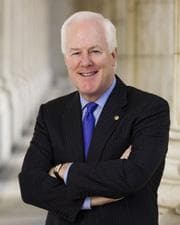
John Cornyn
Republican Senator
Texas
Cosponsors (4)
Judiciary Committee
- Introduced
- In Committee
- On Floor
- Passed Chamber
- Enacted
The "Conflict-free Leaving Employment and Activity Restrictions Path Act," or CLEAR Path Act, aims to prevent and mitigate potential conflicts of interest for senior United States officials after government service. It specifically targets individuals who have held Senate-confirmed positions within the executive branch. The Act introduces new, extended post-employment restrictions under title 18, United States Code. Under these new provisions, individuals who served in Senate-confirmed roles are prohibited from knowingly representing, aiding, or advising a foreign governmental entity of a country of concern before any U.S. executive or legislative branch officer or employee. This restriction applies at any time after their service termination, with the intent to influence official decisions. However, the restrictions themselves are subject to a sunset clause , expiring five years after the Act's enactment, and only apply to appointees confirmed on or after the enactment date. The bill defines "country of concern" and "foreign governmental entity" by referencing existing law, while clarifying that legal representation by a licensed attorney is not included in the term "represent." Furthermore, the Act mandates that individuals subject to these restrictions receive notice upon both their appointment and the termination of their service. To ensure adaptability, the legislation also establishes a mechanism allowing the Secretary of State, in consultation with the Attorney General, to propose modifications to the list of "countries of concern," which would then require congressional approval via a joint resolution.
Suggested Questions
Get AI-generated questions to help you understand this bill better
Timeline
Introduced in Senate
Read twice and referred to the Committee on the Judiciary.
Committee on the Judiciary. Ordered to be reported with an amendment in the nature of a substitute favorably.
Committee on the Judiciary. Reported by Senator Grassley with an amendment in the nature of a substitute. Without written report.
Placed on Senate Legislative Calendar under General Orders. Calendar No. 305.
Passed Senate with an amendment by Voice Vote. (consideration: CR S1854; text of amendment in the nature of a substitute: CR S1854-1855)
Passed Senate with an amendment by Voice Vote.
Passed/agreed to in Senate: Passed Senate with an amendment by Voice Vote.
Message on Senate action sent to the House.
Received in the House.
Held at the desk.
Crime and Law Enforcement
AsiaChinaCongressional oversightCubaEuropeFederal officialsGovernment employee pay, benefits, personnel managementGovernment ethics and transparency, public corruptionIranLatin AmericaLegislative rules and procedureMiddle EastNorth KoreaRussiaSyria
CLEAR Path Act
USA119th CongressS-2132| Senate
| Updated: 4/22/2026
The "Conflict-free Leaving Employment and Activity Restrictions Path Act," or CLEAR Path Act, aims to prevent and mitigate potential conflicts of interest for senior United States officials after government service. It specifically targets individuals who have held Senate-confirmed positions within the executive branch. The Act introduces new, extended post-employment restrictions under title 18, United States Code. Under these new provisions, individuals who served in Senate-confirmed roles are prohibited from knowingly representing, aiding, or advising a foreign governmental entity of a country of concern before any U.S. executive or legislative branch officer or employee. This restriction applies at any time after their service termination, with the intent to influence official decisions. However, the restrictions themselves are subject to a sunset clause , expiring five years after the Act's enactment, and only apply to appointees confirmed on or after the enactment date. The bill defines "country of concern" and "foreign governmental entity" by referencing existing law, while clarifying that legal representation by a licensed attorney is not included in the term "represent." Furthermore, the Act mandates that individuals subject to these restrictions receive notice upon both their appointment and the termination of their service. To ensure adaptability, the legislation also establishes a mechanism allowing the Secretary of State, in consultation with the Attorney General, to propose modifications to the list of "countries of concern," which would then require congressional approval via a joint resolution.
Suggested Questions
Get AI-generated questions to help you understand this bill better
Timeline
Introduced in Senate
Read twice and referred to the Committee on the Judiciary.
Committee on the Judiciary. Ordered to be reported with an amendment in the nature of a substitute favorably.
Committee on the Judiciary. Reported by Senator Grassley with an amendment in the nature of a substitute. Without written report.
Placed on Senate Legislative Calendar under General Orders. Calendar No. 305.
Passed Senate with an amendment by Voice Vote. (consideration: CR S1854; text of amendment in the nature of a substitute: CR S1854-1855)
Passed Senate with an amendment by Voice Vote.
Passed/agreed to in Senate: Passed Senate with an amendment by Voice Vote.
Message on Senate action sent to the House.
Received in the House.
Held at the desk.
John Cornyn
Republican Senator
Texas
Cosponsors (4)
Judiciary Committee
Crime and Law Enforcement
Related Bills
- Introduced
- In Committee
- On Floor
- Passed Chamber
- Enacted
AsiaChinaCongressional oversightCubaEuropeFederal officialsGovernment employee pay, benefits, personnel managementGovernment ethics and transparency, public corruptionIranLatin AmericaLegislative rules and procedureMiddle EastNorth KoreaRussiaSyria