SWAG Act
USA119th CongressS-210| Senate
| Updated: 1/23/2025
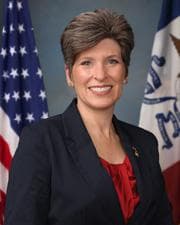
Joni Ernst
Republican Senator
Iowa
Homeland Security and Governmental Affairs Committee
- Introduced
- In Committee
- On Floor
- Passed Chamber
- Enacted
The "Stop Wasteful Advertising by the Government Act," or "SWAG Act," aims to restrict federal agencies from using taxpayer funds for certain publicity and propaganda activities. Specifically, it prohibits agencies from using Federal funds to acquire or distribute "swag," which is defined as tangible promotional products like clothing, keychains, and stress balls, distributed solely for advertising or promotion. The bill also bans the use of Federal funds to manufacture or utilize mascots to promote an agency, organization, program, or agenda. However, the Act provides several exceptions to these prohibitions. Swag may be permitted for agency programs that generate a positive return on investment, for recruitment purposes for the Armed Forces or federal employment, and for items distributed by the Bureau of the Census. Mascots are exempt if they are declared U.S. property, used for military recruitment, or support military academy athletic teams. Furthermore, the bill requires each agency to report its public relations and advertising spending to Congress annually, potentially including an estimate of the return on investment for these expenditures.
Suggested Questions
Get AI-generated questions to help you understand this bill better
Timeline
Introduced in Senate
Read twice and referred to the Committee on Homeland Security and Governmental Affairs.
Government Operations and Politics
Congressional oversightMarketing and advertisingPolitical advertising
SWAG Act
USA119th CongressS-210| Senate
| Updated: 1/23/2025
The "Stop Wasteful Advertising by the Government Act," or "SWAG Act," aims to restrict federal agencies from using taxpayer funds for certain publicity and propaganda activities. Specifically, it prohibits agencies from using Federal funds to acquire or distribute "swag," which is defined as tangible promotional products like clothing, keychains, and stress balls, distributed solely for advertising or promotion. The bill also bans the use of Federal funds to manufacture or utilize mascots to promote an agency, organization, program, or agenda. However, the Act provides several exceptions to these prohibitions. Swag may be permitted for agency programs that generate a positive return on investment, for recruitment purposes for the Armed Forces or federal employment, and for items distributed by the Bureau of the Census. Mascots are exempt if they are declared U.S. property, used for military recruitment, or support military academy athletic teams. Furthermore, the bill requires each agency to report its public relations and advertising spending to Congress annually, potentially including an estimate of the return on investment for these expenditures.
Suggested Questions
Get AI-generated questions to help you understand this bill better
Timeline
Introduced in Senate
Read twice and referred to the Committee on Homeland Security and Governmental Affairs.
Joni Ernst
Republican Senator
Iowa
Homeland Security and Governmental Affairs Committee
Government Operations and Politics
Related Bills
- Introduced
- In Committee
- On Floor
- Passed Chamber
- Enacted
Congressional oversightMarketing and advertisingPolitical advertising