Firearm Destruction Licensure Act of 2025
USA119th CongressS-2088| Senate
| Updated: 6/17/2025
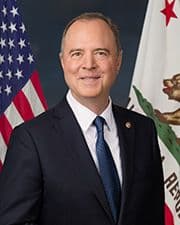
Adam B. Schiff
Democratic Senator
California
Judiciary Committee
- Introduced
- In Committee
- On Floor
- Passed Chamber
- Enacted
The Firearm Destruction Licensure Act of 2025 introduces new regulations for the business of destroying firearms, mandating that individuals or entities engaged in this activity obtain a license from the Attorney General. It amends federal law to define a "firearm destroyer" as any person in this business, excluding government bodies, and establishes a "covered method of firearm destruction" , which renders a firearm and all its components permanently inoperable and reduced to scrap. Operating as a firearm destroyer without this license will be unlawful. Licensed destroyers are required to utilize a covered method when destroying firearms received from federal, state, local, or tribal government entities, unless an alternative is mutually agreed upon. They must also submit annual reports to the Bureau of Alcohol, Tobacco, Firearms and Explosives (ATF) detailing the number and types of firearms destroyed, including those processed for government entities and those destroyed by other means. The Attorney General, through the ATF, is tasked with making these annual reports and aggregated data publicly accessible. Additionally, licensed destroyers must publicly disclose the fees they charge government entities for firearm destruction services. The bill also amends the Brady Handgun Violence Prevention Act to create a grant program, allowing state, local, and tribal governments to receive funding to pay licensed dealers for firearm destruction using covered methods. Within 180 days of enactment, the Attorney General must issue a final rule to implement this Act, which will include specifying acceptable destruction methods and outlining record-keeping requirements for licensed destroyers. This legislation aims to enhance oversight and transparency within the firearm destruction industry.
View Full TextSuggested Questions
Get AI-generated questions to help you understand this bill better
Timeline
Introduced in Senate
Read twice and referred to the Committee on the Judiciary.
Crime and Law Enforcement
Firearm Destruction Licensure Act of 2025
USA119th CongressS-2088| Senate
| Updated: 6/17/2025
The Firearm Destruction Licensure Act of 2025 introduces new regulations for the business of destroying firearms, mandating that individuals or entities engaged in this activity obtain a license from the Attorney General. It amends federal law to define a "firearm destroyer" as any person in this business, excluding government bodies, and establishes a "covered method of firearm destruction" , which renders a firearm and all its components permanently inoperable and reduced to scrap. Operating as a firearm destroyer without this license will be unlawful. Licensed destroyers are required to utilize a covered method when destroying firearms received from federal, state, local, or tribal government entities, unless an alternative is mutually agreed upon. They must also submit annual reports to the Bureau of Alcohol, Tobacco, Firearms and Explosives (ATF) detailing the number and types of firearms destroyed, including those processed for government entities and those destroyed by other means. The Attorney General, through the ATF, is tasked with making these annual reports and aggregated data publicly accessible. Additionally, licensed destroyers must publicly disclose the fees they charge government entities for firearm destruction services. The bill also amends the Brady Handgun Violence Prevention Act to create a grant program, allowing state, local, and tribal governments to receive funding to pay licensed dealers for firearm destruction using covered methods. Within 180 days of enactment, the Attorney General must issue a final rule to implement this Act, which will include specifying acceptable destruction methods and outlining record-keeping requirements for licensed destroyers. This legislation aims to enhance oversight and transparency within the firearm destruction industry.
View Full TextSuggested Questions
Get AI-generated questions to help you understand this bill better
Timeline
Introduced in Senate
Read twice and referred to the Committee on the Judiciary.
Adam B. Schiff
Democratic Senator
California
Judiciary Committee
Crime and Law Enforcement
- Introduced
- In Committee
- On Floor
- Passed Chamber
- Enacted