Helping Small Businesses THRIVE Act
USA119th CongressS-202| Senate
| Updated: 1/23/2025
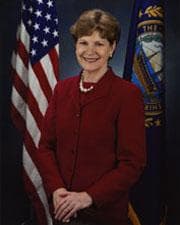
Jeanne Shaheen
Democratic Senator
New Hampshire
Cosponsors (1)
Small Business and Entrepreneurship Committee
- Introduced
- In Committee
- On Floor
- Passed Chamber
- Enacted
The "Helping Small Businesses To Hedge Risk and Insure against Volatile Expenses Act," or the "Helping Small Businesses THRIVE Act," mandates the Small Business Administration (SBA) to establish a pilot program. This initiative, known as the Helping Small Businesses Thrive Program, aims to assist eligible small business concerns in mitigating the financial risks associated with fluctuating commodity input costs. The Administrator of the SBA will consult with the Commodity Futures Trading Commission (CFTC) and the Secretary of the Treasury to implement this program within one year of enactment. To participate, a small business must submit an application and meet specific eligibility criteria, excluding financial institutions, entities regulated by the CFTC, investment advisors, brokers, and businesses operating for less than one year. The SBA will provide public guidance and conduct extensive outreach to inform small businesses about the program's benefits and how to determine if participation would be advantageous. Through the program, the SBA will enter into agreements with accepted entities, allowing them to purchase covered commodities or derivatives at a predetermined, at-cost price. These agreements, which can include call options to protect against significant price increases, will typically last between 60 days and three years. Initially, gasoline and diesel gasoline are mandatory covered commodities under the program. The Administrator may add up to three additional commodities in the first year, considering factors like demand, market liquidity, and program capacity, with particular consideration given to utilities such as electricity and natural gas. The SBA Administrator is authorized to form a commodity pool and register as a commodity pool operator, facilitating transactions in commodity derivatives markets to fulfill program obligations. Any proceeds generated by the program will first offset operating costs, with remaining funds returned to the U.S. Treasury. The bill also requires comprehensive reporting to Congress, including an initial report on program structure and participant selection within 120 days of enactment. Annually, the Administrator must detail application numbers, agreements entered, and the program's impact on participating businesses. This includes feedback on costs, benefits, and growth plans to ensure transparency and evaluate effectiveness.
View Full TextSuggested Questions
Get AI-generated questions to help you understand this bill better
Timeline
Introduced in Senate
Read twice and referred to the Committee on Small Business and Entrepreneurship.
Commerce
Helping Small Businesses THRIVE Act
USA119th CongressS-202| Senate
| Updated: 1/23/2025
The "Helping Small Businesses To Hedge Risk and Insure against Volatile Expenses Act," or the "Helping Small Businesses THRIVE Act," mandates the Small Business Administration (SBA) to establish a pilot program. This initiative, known as the Helping Small Businesses Thrive Program, aims to assist eligible small business concerns in mitigating the financial risks associated with fluctuating commodity input costs. The Administrator of the SBA will consult with the Commodity Futures Trading Commission (CFTC) and the Secretary of the Treasury to implement this program within one year of enactment. To participate, a small business must submit an application and meet specific eligibility criteria, excluding financial institutions, entities regulated by the CFTC, investment advisors, brokers, and businesses operating for less than one year. The SBA will provide public guidance and conduct extensive outreach to inform small businesses about the program's benefits and how to determine if participation would be advantageous. Through the program, the SBA will enter into agreements with accepted entities, allowing them to purchase covered commodities or derivatives at a predetermined, at-cost price. These agreements, which can include call options to protect against significant price increases, will typically last between 60 days and three years. Initially, gasoline and diesel gasoline are mandatory covered commodities under the program. The Administrator may add up to three additional commodities in the first year, considering factors like demand, market liquidity, and program capacity, with particular consideration given to utilities such as electricity and natural gas. The SBA Administrator is authorized to form a commodity pool and register as a commodity pool operator, facilitating transactions in commodity derivatives markets to fulfill program obligations. Any proceeds generated by the program will first offset operating costs, with remaining funds returned to the U.S. Treasury. The bill also requires comprehensive reporting to Congress, including an initial report on program structure and participant selection within 120 days of enactment. Annually, the Administrator must detail application numbers, agreements entered, and the program's impact on participating businesses. This includes feedback on costs, benefits, and growth plans to ensure transparency and evaluate effectiveness.
View Full TextSuggested Questions
Get AI-generated questions to help you understand this bill better
Timeline
Introduced in Senate
Read twice and referred to the Committee on Small Business and Entrepreneurship.
Jeanne Shaheen
Democratic Senator
New Hampshire
Cosponsors (1)
Small Business and Entrepreneurship Committee
Commerce
- Introduced
- In Committee
- On Floor
- Passed Chamber
- Enacted