A bill to amend the Internal Revenue Code of 1986 to provide special rules for the taxation of certain residents of Taiwan with income from sources within the United States.
USA119th CongressS-199| Senate
| Updated: 1/23/2025
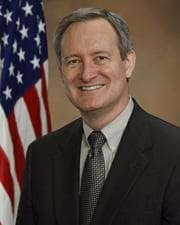
Mike Crapo
Republican Senator
Idaho
Cosponsors (47)
Jeanne Shaheen (Democratic)Bill Cassidy (Republican)Mazie K. Hirono (Democratic)Angela D. Alsobrooks (Democratic)Tammy Duckworth (Democratic)Margaret Wood Hassan (Democratic)Dan Sullivan (Republican)Ruben Gallego (Democratic)Catherine Cortez Masto (Democratic)Thomas Tillis (Republican)Jim Banks (Republican)Cindy Hyde-Smith (Republican)Lisa Blunt Rochester (Democratic)Jerry Moran (Republican)Ben Ray Luján (Democratic)James E. Risch (Republican)Alex Padilla (Democratic)Cynthia M. Lummis (Republican)Christopher A. Coons (Democratic)Marsha Blackburn (Republican)Todd Young (Republican)John R. Curtis (Republican)Mark R. Warner (Democratic)John W. Hickenlooper (Democratic)Tim Sheehy (Republican)Jacky Rosen (Democratic)Ted Cruz (Republican)Chris Van Hollen (Democratic)Tim Scott (Republican)James Lankford (Republican)James C. Justice (Republican)John Kennedy (Republican)Michael F. Bennet (Democratic)Patty Murray (Democratic)John Fetterman (Democratic)Jeff Merkley (Democratic)Elissa Slotkin (Democratic)Chuck Grassley (Republican)Raphael G. Warnock (Democratic)Gary C. Peters (Democratic)Pete Ricketts (Republican)Steve Daines (Republican)Ron Wyden (Democratic)John Hoeven (Republican)Richard Blumenthal (Democratic)Mark Kelly (Democratic)Ted Budd (Republican)
Finance Committee
- Introduced
- In Committee
- On Floor
- Passed Chamber
- Enacted
This legislation, divided into two titles, aims to provide tax relief for residents of Taiwan with United States-sourced income and to authorize a future comprehensive tax agreement. Title I, the United States-Taiwan Expedited Double-Tax Relief Act , introduces a new section to the Internal Revenue Code establishing special rules for "qualified residents of Taiwan." Under these new rules, the standard 30 percent withholding tax on certain passive income, such as interest, dividends, and royalties, is generally reduced to 10 percent . For dividends, the rate is 15 percent, further reduced to 10 percent for corporate entities meeting specific ownership criteria. The bill also replaces the concept of "trade or business within the United States" with "United States permanent establishment" for these income types, aligning with international tax treaty norms. Additionally, Title I provides exemptions from U.S. tax and withholding for certain qualified wages paid to qualified residents of Taiwan, particularly those not borne by a U.S. permanent establishment. Income derived by entertainers or athletes is also exempt if their annual gross receipts from U.S. activities do not exceed $30,000. The branch profits tax for qualified Taiwanese corporations is reduced from 30 percent to 10 percent. The definition of a "qualified resident of Taiwan" includes individuals and corporate entities that meet specific limitation on benefits tests, such as ownership, income, or publicly traded requirements, designed to prevent treaty shopping. The application of these special rules is contingent upon the Secretary of the Treasury determining that Taiwan provides reciprocal benefits to U.S. persons. Title II, the United States-Taiwan Tax Agreement Authorization Act , empowers the President to negotiate and enter into a broader tax agreement with Taiwan. This comprehensive agreement must conform to provisions typically found in U.S. bilateral income tax conventions, such as the 2016 U.S. Model Income Tax Convention. Its entry into force is conditional on both U.S. congressional approval through specific legislation and Taiwan's own approval and implementation. The bill mandates extensive congressional consultations throughout the negotiation process, including notifications, briefings, and meetings with relevant committees. It also outlines the process for submitting the final agreement and its implementation policy to Congress. The legislation clarifies that the Internal Revenue Code will control in cases of inconsistency and affirms the U.S. policy of pursuing comprehensive tax treaties with sovereign states while addressing Taiwan's unique status through this alternative agreement.
View Full TextSuggested Questions
Get AI-generated questions to help you understand this bill better
Timeline
Latest Companion Bill Action
HR 119-33Received in the Senate and Read twice and referred to the Committee on Finance.
Introduced in Senate
Read twice and referred to the Committee on Finance.
Taxation
A bill to amend the Internal Revenue Code of 1986 to provide special rules for the taxation of certain residents of Taiwan with income from sources within the United States.
USA119th CongressS-199| Senate
| Updated: 1/23/2025
This legislation, divided into two titles, aims to provide tax relief for residents of Taiwan with United States-sourced income and to authorize a future comprehensive tax agreement. Title I, the United States-Taiwan Expedited Double-Tax Relief Act , introduces a new section to the Internal Revenue Code establishing special rules for "qualified residents of Taiwan." Under these new rules, the standard 30 percent withholding tax on certain passive income, such as interest, dividends, and royalties, is generally reduced to 10 percent . For dividends, the rate is 15 percent, further reduced to 10 percent for corporate entities meeting specific ownership criteria. The bill also replaces the concept of "trade or business within the United States" with "United States permanent establishment" for these income types, aligning with international tax treaty norms. Additionally, Title I provides exemptions from U.S. tax and withholding for certain qualified wages paid to qualified residents of Taiwan, particularly those not borne by a U.S. permanent establishment. Income derived by entertainers or athletes is also exempt if their annual gross receipts from U.S. activities do not exceed $30,000. The branch profits tax for qualified Taiwanese corporations is reduced from 30 percent to 10 percent. The definition of a "qualified resident of Taiwan" includes individuals and corporate entities that meet specific limitation on benefits tests, such as ownership, income, or publicly traded requirements, designed to prevent treaty shopping. The application of these special rules is contingent upon the Secretary of the Treasury determining that Taiwan provides reciprocal benefits to U.S. persons. Title II, the United States-Taiwan Tax Agreement Authorization Act , empowers the President to negotiate and enter into a broader tax agreement with Taiwan. This comprehensive agreement must conform to provisions typically found in U.S. bilateral income tax conventions, such as the 2016 U.S. Model Income Tax Convention. Its entry into force is conditional on both U.S. congressional approval through specific legislation and Taiwan's own approval and implementation. The bill mandates extensive congressional consultations throughout the negotiation process, including notifications, briefings, and meetings with relevant committees. It also outlines the process for submitting the final agreement and its implementation policy to Congress. The legislation clarifies that the Internal Revenue Code will control in cases of inconsistency and affirms the U.S. policy of pursuing comprehensive tax treaties with sovereign states while addressing Taiwan's unique status through this alternative agreement.
View Full TextSuggested Questions
Get AI-generated questions to help you understand this bill better
Timeline
Latest Companion Bill Action
HR 119-33Received in the Senate and Read twice and referred to the Committee on Finance.
Introduced in Senate
Read twice and referred to the Committee on Finance.
Mike Crapo
Republican Senator
Idaho
Cosponsors (47)
Jeanne Shaheen (Democratic)Bill Cassidy (Republican)Mazie K. Hirono (Democratic)Angela D. Alsobrooks (Democratic)Tammy Duckworth (Democratic)Margaret Wood Hassan (Democratic)Dan Sullivan (Republican)Ruben Gallego (Democratic)Catherine Cortez Masto (Democratic)Thomas Tillis (Republican)Jim Banks (Republican)Cindy Hyde-Smith (Republican)Lisa Blunt Rochester (Democratic)Jerry Moran (Republican)Ben Ray Luján (Democratic)James E. Risch (Republican)Alex Padilla (Democratic)Cynthia M. Lummis (Republican)Christopher A. Coons (Democratic)Marsha Blackburn (Republican)Todd Young (Republican)John R. Curtis (Republican)Mark R. Warner (Democratic)John W. Hickenlooper (Democratic)Tim Sheehy (Republican)Jacky Rosen (Democratic)Ted Cruz (Republican)Chris Van Hollen (Democratic)Tim Scott (Republican)James Lankford (Republican)James C. Justice (Republican)John Kennedy (Republican)Michael F. Bennet (Democratic)Patty Murray (Democratic)John Fetterman (Democratic)Jeff Merkley (Democratic)Elissa Slotkin (Democratic)Chuck Grassley (Republican)Raphael G. Warnock (Democratic)Gary C. Peters (Democratic)Pete Ricketts (Republican)Steve Daines (Republican)Ron Wyden (Democratic)John Hoeven (Republican)Richard Blumenthal (Democratic)Mark Kelly (Democratic)Ted Budd (Republican)
Finance Committee
Taxation
- Introduced
- In Committee
- On Floor
- Passed Chamber
- Enacted