FIREARM Act
USA119th CongressS-1922| Senate
| Updated: 6/2/2025
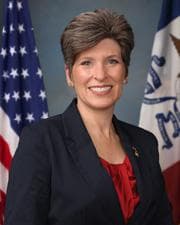
Joni Ernst
Republican Senator
Iowa
Judiciary Committee
- Introduced
- In Committee
- On Floor
- Passed Chamber
- Enacted
This bill, known as the FIREARM Act, establishes new procedures for addressing violations by firearm licensees, aiming to provide opportunities for correction and enhance due process. It defines key terms such as "self-reported violation," "willfully" (requiring specific intent and excluding minor conduct), and "uncorrectable violation" (e.g., transferring a firearm to a prohibited person). For self-reported violations, the Attorney General generally cannot bring an enforcement action to revoke or deny a license unless the violation is uncorrectable or involved a prohibited firearm transfer; in these cases, the Attorney General must assist the licensee and provide compliance training. Before initiating any enforcement action, the Attorney General must provide the licensee with actual notice, including a detailed explanation, all evidence, and a 30-business-day period to correct the violation. Enforcement actions are prohibited for violations corrected within this grace period, unless they involve a prohibited firearm transfer or another uncorrectable violation posing a direct and acute risk of death or serious bodily injury. The bill also significantly alters judicial review for license revocations or denials. An aggrieved licensee can petition a U.S. district court for review, which will conduct a de novo review and stay the revocation until judgment. The court can only uphold a revocation upon finding, by a preponderance of the evidence, that the licensee willfully violated the law or regulations. Finally, the Act applies retroactively to licenses revoked or denied under the Bureau of Alcohol, Tobacco, Firearms and Explosives' "Enhanced Regulatory Enforcement Policy" announced on June 23, 2021. Affected licensees will be given an opportunity to reapply and have their applications approved, provided they have no disqualifying convictions and demonstrate compliance and corrective actions for past issues.
Suggested Questions
Get AI-generated questions to help you understand this bill better
Timeline
Introduced in Senate
Read twice and referred to the Committee on the Judiciary.
Crime and Law Enforcement
Civil actions and liabilityFederal district courtsFirearms and explosivesJudicial review and appealsLicensing and registrations
FIREARM Act
USA119th CongressS-1922| Senate
| Updated: 6/2/2025
This bill, known as the FIREARM Act, establishes new procedures for addressing violations by firearm licensees, aiming to provide opportunities for correction and enhance due process. It defines key terms such as "self-reported violation," "willfully" (requiring specific intent and excluding minor conduct), and "uncorrectable violation" (e.g., transferring a firearm to a prohibited person). For self-reported violations, the Attorney General generally cannot bring an enforcement action to revoke or deny a license unless the violation is uncorrectable or involved a prohibited firearm transfer; in these cases, the Attorney General must assist the licensee and provide compliance training. Before initiating any enforcement action, the Attorney General must provide the licensee with actual notice, including a detailed explanation, all evidence, and a 30-business-day period to correct the violation. Enforcement actions are prohibited for violations corrected within this grace period, unless they involve a prohibited firearm transfer or another uncorrectable violation posing a direct and acute risk of death or serious bodily injury. The bill also significantly alters judicial review for license revocations or denials. An aggrieved licensee can petition a U.S. district court for review, which will conduct a de novo review and stay the revocation until judgment. The court can only uphold a revocation upon finding, by a preponderance of the evidence, that the licensee willfully violated the law or regulations. Finally, the Act applies retroactively to licenses revoked or denied under the Bureau of Alcohol, Tobacco, Firearms and Explosives' "Enhanced Regulatory Enforcement Policy" announced on June 23, 2021. Affected licensees will be given an opportunity to reapply and have their applications approved, provided they have no disqualifying convictions and demonstrate compliance and corrective actions for past issues.
Suggested Questions
Get AI-generated questions to help you understand this bill better
Timeline
Introduced in Senate
Read twice and referred to the Committee on the Judiciary.
Joni Ernst
Republican Senator
Iowa
Judiciary Committee
Crime and Law Enforcement
Related Bills
- Introduced
- In Committee
- On Floor
- Passed Chamber
- Enacted
Civil actions and liabilityFederal district courtsFirearms and explosivesJudicial review and appealsLicensing and registrations