Holocaust Expropriated Art Recovery Act of 2025
USA119th CongressS-1884| Senate
| Updated: 4/13/2026
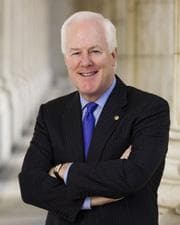
John Cornyn
Republican Senator
Texas
Cosponsors (21)
Rick Scott (Republican)Katie Boyd Britt (Republican)Adam B. Schiff (Democratic)Thomas Tillis (Republican)Richard J. Durbin (Democratic)Kirsten E. Gillibrand (Democratic)Christopher A. Coons (Democratic)Eric Schmitt (Republican)Marsha Blackburn (Republican)Lindsey Graham (Republican)Jacky Rosen (Democratic)Ted Cruz (Republican)John Fetterman (Democratic)David McCormick (Republican)Cory A. Booker (Democratic)Peter Welch (Democratic)Elissa Slotkin (Democratic)Chuck Grassley (Republican)Raphael G. Warnock (Democratic)Bernie Moreno (Republican)Richard Blumenthal (Democratic)
Judiciary Committee
- Introduced
- In Committee
- On Floor
- Passed Chamber
- Enacted
This legislation amends the Holocaust Expropriated Art Recovery Act of 2016 to clarify its original intent and address judicial interpretations that have hindered the recovery of Nazi-looted art. It specifically notes that some courts have frustrated the Act's purpose by dismissing lawsuits based on defenses related to the passage of time, such as laches or adverse possession, or other non-merits discretionary defenses like the act of state doctrine. The bill aims to ensure that claims for the recovery of art or property lost due to Nazi persecution are resolved on their substantive merits . To achieve this, the bill explicitly states that defenses based on the passage of time , including laches and adverse possession, may not be applied to otherwise timely claims. Furthermore, non-merits discretionary dismissal bases, such as the act of state doctrine , international comity, and forum non-conveniens, are also precluded. The legislation clarifies that these civil claims are considered actions involving rights in violation of international law for purposes of foreign state immunity, regardless of the victim's nationality. These amendments apply to all relevant civil claims pending on the date of enactment or filed thereafter, ensuring a broader application of the Act's protections.
Suggested Questions
Get AI-generated questions to help you understand this bill better
Timeline
Introduced in Senate
Read twice and referred to the Committee on the Judiciary.
Committee on the Judiciary. Ordered to be reported with amendments favorably.
Committee on the Judiciary. Ordered to be reported without amendment favorably.
Committee on the Judiciary. Reported by Senator Grassley with amendments. Without written report.
Placed on Senate Legislative Calendar under General Orders. Calendar No. 271.
Passed/agreed to in Senate: Passed Senate with amendments by Unanimous Consent.
Passed Senate with amendments by Unanimous Consent. (consideration: CR S8628-8629; text: CR S8629)
Message on Senate action sent to the House.
Received in the House.
Held at the desk.
Ms. Lee (FL) moved to suspend the rules and pass the bill.
Considered under suspension of the rules. (consideration: CR H2497-2500)
DEBATE - The House proceeded with forty minutes of debate on S. 1884.
Passed/agreed to in House: On motion to suspend the rules and pass the bill Agreed to by voice vote. (text: CR H2497)
Passed/agreed to in House: On motion to suspend the rules and pass the bill Agreed to by voice vote.
On motion to suspend the rules and pass the bill Agreed to by voice vote. (text: CR H2497)
Motion to reconsider laid on the table Agreed to without objection.
Presented to President.
Signed by President.
Became Public Law No: 119-82.
Law
Art, artists, authorshipCivil actions and liabilityConflicts and warsCrime victimsHistorical and cultural resourcesMuseums, exhibitions, cultural centersWar crimes, genocide, crimes against humanityWorld history
Holocaust Expropriated Art Recovery Act of 2025
USA119th CongressS-1884| Senate
| Updated: 4/13/2026
This legislation amends the Holocaust Expropriated Art Recovery Act of 2016 to clarify its original intent and address judicial interpretations that have hindered the recovery of Nazi-looted art. It specifically notes that some courts have frustrated the Act's purpose by dismissing lawsuits based on defenses related to the passage of time, such as laches or adverse possession, or other non-merits discretionary defenses like the act of state doctrine. The bill aims to ensure that claims for the recovery of art or property lost due to Nazi persecution are resolved on their substantive merits . To achieve this, the bill explicitly states that defenses based on the passage of time , including laches and adverse possession, may not be applied to otherwise timely claims. Furthermore, non-merits discretionary dismissal bases, such as the act of state doctrine , international comity, and forum non-conveniens, are also precluded. The legislation clarifies that these civil claims are considered actions involving rights in violation of international law for purposes of foreign state immunity, regardless of the victim's nationality. These amendments apply to all relevant civil claims pending on the date of enactment or filed thereafter, ensuring a broader application of the Act's protections.
Suggested Questions
Get AI-generated questions to help you understand this bill better
Timeline
Introduced in Senate
Read twice and referred to the Committee on the Judiciary.
Committee on the Judiciary. Ordered to be reported with amendments favorably.
Committee on the Judiciary. Ordered to be reported without amendment favorably.
Committee on the Judiciary. Reported by Senator Grassley with amendments. Without written report.
Placed on Senate Legislative Calendar under General Orders. Calendar No. 271.
Passed/agreed to in Senate: Passed Senate with amendments by Unanimous Consent.
Passed Senate with amendments by Unanimous Consent. (consideration: CR S8628-8629; text: CR S8629)
Message on Senate action sent to the House.
Received in the House.
Held at the desk.
Ms. Lee (FL) moved to suspend the rules and pass the bill.
Considered under suspension of the rules. (consideration: CR H2497-2500)
DEBATE - The House proceeded with forty minutes of debate on S. 1884.
Passed/agreed to in House: On motion to suspend the rules and pass the bill Agreed to by voice vote. (text: CR H2497)
Passed/agreed to in House: On motion to suspend the rules and pass the bill Agreed to by voice vote.
On motion to suspend the rules and pass the bill Agreed to by voice vote. (text: CR H2497)
Motion to reconsider laid on the table Agreed to without objection.
Presented to President.
Signed by President.
Became Public Law No: 119-82.
John Cornyn
Republican Senator
Texas
Cosponsors (21)
Rick Scott (Republican)Katie Boyd Britt (Republican)Adam B. Schiff (Democratic)Thomas Tillis (Republican)Richard J. Durbin (Democratic)Kirsten E. Gillibrand (Democratic)Christopher A. Coons (Democratic)Eric Schmitt (Republican)Marsha Blackburn (Republican)Lindsey Graham (Republican)Jacky Rosen (Democratic)Ted Cruz (Republican)John Fetterman (Democratic)David McCormick (Republican)Cory A. Booker (Democratic)Peter Welch (Democratic)Elissa Slotkin (Democratic)Chuck Grassley (Republican)Raphael G. Warnock (Democratic)Bernie Moreno (Republican)Richard Blumenthal (Democratic)
Judiciary Committee
Law
- Introduced
- In Committee
- On Floor
- Passed Chamber
- Enacted
Art, artists, authorshipCivil actions and liabilityConflicts and warsCrime victimsHistorical and cultural resourcesMuseums, exhibitions, cultural centersWar crimes, genocide, crimes against humanityWorld history