Truth in Tariffs Act
USA119th CongressS-1741| Senate
| Updated: 5/13/2025
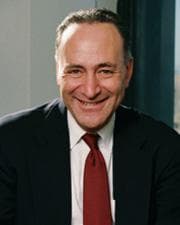
Charles E. Schumer
Democratic Senator
New York
Commerce, Science, and Transportation Committee
- Introduced
- In Committee
- On Floor
- Passed Chamber
- Enacted
The "Truth in Tariffs Act" seeks to enhance consumer transparency by requiring sellers to clearly disclose the portion of a good's price that results from specific tariffs. This disclosure, termed a "tariff surcharge," must be displayed conspicuously to the consumer. The mandate applies to tariffs, including rate changes, that were imposed on an emergency or discretionary basis by the President and took effect on or after January 20, 2025. However, small business concerns are explicitly exempted from this transparency requirement. The Federal Trade Commission (FTC) is tasked with enforcing these provisions, treating any violation as an unfair or deceptive act or practice under the Federal Trade Commission Act. The FTC also has the authority to issue regulations necessary to implement the act.
View Full TextSuggested Questions
Get AI-generated questions to help you understand this bill better
Timeline
Introduced in Senate
Read twice and referred to the Committee on Commerce, Science, and Transportation. (text: CR S2897)
Commerce
Truth in Tariffs Act
USA119th CongressS-1741| Senate
| Updated: 5/13/2025
The "Truth in Tariffs Act" seeks to enhance consumer transparency by requiring sellers to clearly disclose the portion of a good's price that results from specific tariffs. This disclosure, termed a "tariff surcharge," must be displayed conspicuously to the consumer. The mandate applies to tariffs, including rate changes, that were imposed on an emergency or discretionary basis by the President and took effect on or after January 20, 2025. However, small business concerns are explicitly exempted from this transparency requirement. The Federal Trade Commission (FTC) is tasked with enforcing these provisions, treating any violation as an unfair or deceptive act or practice under the Federal Trade Commission Act. The FTC also has the authority to issue regulations necessary to implement the act.
View Full TextSuggested Questions
Get AI-generated questions to help you understand this bill better
Timeline
Introduced in Senate
Read twice and referred to the Committee on Commerce, Science, and Transportation. (text: CR S2897)
Charles E. Schumer
Democratic Senator
New York
Commerce, Science, and Transportation Committee
Commerce
- Introduced
- In Committee
- On Floor
- Passed Chamber
- Enacted