PELL Act of 2025
USA119th CongressS-1683| Senate
| Updated: 5/8/2025
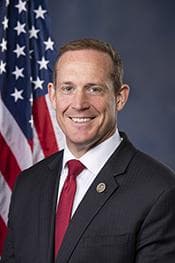
Ted Budd
Republican Senator
North Carolina
Cosponsors (5)
Health, Education, Labor, and Pensions Committee
- Introduced
- In Committee
- On Floor
- Passed Chamber
- Enacted
The "Promoting Employment and Lifelong Learning Act of 2025" (PELL Act of 2025) establishes a new Workforce Pell Grant program under the Higher Education Act of 1965, effective July 1, 2026. This initiative aims to provide financial assistance to eligible students pursuing short-term, career-focused training programs . Students must meet Federal Pell Grant eligibility criteria but cannot be enrolled in or possess a graduate credential, and cannot receive both a Workforce Pell and a traditional Pell Grant concurrently. To qualify for these grants, students must enroll in an eligible workforce program , defined as 150-600 clock hours over 8-15 weeks, and not a correspondence course. A State Governor must determine that the program aligns with high-skill, high-wage, or in-demand industry sectors , meets employer hiring needs, and leads to a recognized, stackable, and portable postsecondary credential or prepares for an occupation with a single credential. The Secretary of Education must further verify that eligible programs have been offered for at least one year, demonstrate a 70 percent completion rate and a 70 percent job placement rate . Additionally, the bill caps program tuition and fees, ensuring they do not exceed the value-added earnings of past students, adjusted for regional price parities. Any period of study covered by a Workforce Pell Grant will count towards a student's overall Pell Grant duration limit. This program expands financial aid access to high-quality, short-term workforce education, with a focus on employment outcomes and affordability.
View Full TextSuggested Questions
Get AI-generated questions to help you understand this bill better
Timeline
Introduced in Senate
Read twice and referred to the Committee on Health, Education, Labor, and Pensions.
Education
PELL Act of 2025
USA119th CongressS-1683| Senate
| Updated: 5/8/2025
The "Promoting Employment and Lifelong Learning Act of 2025" (PELL Act of 2025) establishes a new Workforce Pell Grant program under the Higher Education Act of 1965, effective July 1, 2026. This initiative aims to provide financial assistance to eligible students pursuing short-term, career-focused training programs . Students must meet Federal Pell Grant eligibility criteria but cannot be enrolled in or possess a graduate credential, and cannot receive both a Workforce Pell and a traditional Pell Grant concurrently. To qualify for these grants, students must enroll in an eligible workforce program , defined as 150-600 clock hours over 8-15 weeks, and not a correspondence course. A State Governor must determine that the program aligns with high-skill, high-wage, or in-demand industry sectors , meets employer hiring needs, and leads to a recognized, stackable, and portable postsecondary credential or prepares for an occupation with a single credential. The Secretary of Education must further verify that eligible programs have been offered for at least one year, demonstrate a 70 percent completion rate and a 70 percent job placement rate . Additionally, the bill caps program tuition and fees, ensuring they do not exceed the value-added earnings of past students, adjusted for regional price parities. Any period of study covered by a Workforce Pell Grant will count towards a student's overall Pell Grant duration limit. This program expands financial aid access to high-quality, short-term workforce education, with a focus on employment outcomes and affordability.
View Full TextSuggested Questions
Get AI-generated questions to help you understand this bill better
Timeline
Introduced in Senate
Read twice and referred to the Committee on Health, Education, Labor, and Pensions.
Ted Budd
Republican Senator
North Carolina
Cosponsors (5)
Health, Education, Labor, and Pensions Committee
Education
Related Bills
- Introduced
- In Committee
- On Floor
- Passed Chamber
- Enacted