LIT Act of 2025
USA119th CongressS-1568| Senate
| Updated: 5/1/2025
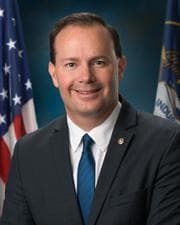
Mike Lee
Republican Senator
Utah
Cosponsors (6)
Energy and Natural Resources Committee
- Introduced
- In Committee
- On Floor
- Passed Chamber
- Enacted
The "Liberating Incandescent Technology Act of 2025," also known as the LIT Act of 2025 , aims to eliminate federal energy conservation standards for general service lamps. This legislation seeks to reverse existing regulations that mandate higher energy efficiency for common light bulbs, thereby allowing for the continued production and sale of less efficient lighting technologies. To achieve this, the bill amends the Energy Policy and Conservation Act (EPCA) by striking provisions that designate general service lamps as covered products and removing the established energy conservation standards for these lamps, specifically subsection (i) from Section 325. It also includes numerous conforming amendments to other sections of EPCA to reflect these changes. Crucially, the legislation explicitly nullifies three specific rules issued by the Department of Energy (DOE) in 2022 and 2024, which established or updated energy conservation standards and definitions for general service lamps, declaring them to have "no force or effect."
View Full TextSuggested Questions
Get AI-generated questions to help you understand this bill better
Timeline
Introduced in Senate
Read twice and referred to the Committee on Energy and Natural Resources.
Energy
LIT Act of 2025
USA119th CongressS-1568| Senate
| Updated: 5/1/2025
The "Liberating Incandescent Technology Act of 2025," also known as the LIT Act of 2025 , aims to eliminate federal energy conservation standards for general service lamps. This legislation seeks to reverse existing regulations that mandate higher energy efficiency for common light bulbs, thereby allowing for the continued production and sale of less efficient lighting technologies. To achieve this, the bill amends the Energy Policy and Conservation Act (EPCA) by striking provisions that designate general service lamps as covered products and removing the established energy conservation standards for these lamps, specifically subsection (i) from Section 325. It also includes numerous conforming amendments to other sections of EPCA to reflect these changes. Crucially, the legislation explicitly nullifies three specific rules issued by the Department of Energy (DOE) in 2022 and 2024, which established or updated energy conservation standards and definitions for general service lamps, declaring them to have "no force or effect."
View Full TextSuggested Questions
Get AI-generated questions to help you understand this bill better
Timeline
Introduced in Senate
Read twice and referred to the Committee on Energy and Natural Resources.
Mike Lee
Republican Senator
Utah
Cosponsors (6)
Energy and Natural Resources Committee
Energy
Related Bills
- Introduced
- In Committee
- On Floor
- Passed Chamber
- Enacted